

Note for teachers using this lesson plan
This lesson focuses on practical ways to enrich soil for better crop yield. Teachers should prepare the instructional materials, especially samples of fertilizer, manure, and mulching materials, to demonstrate effectively. Emphasise safety when handling materials like NPK fertilizer. By the end of the lesson, pupils should be able to identify different soil enrichment methods and demonstrate at least one method.
Class: Primary Four
Term: First Term
Week: 7
Age: 9 years
Duration: 45 minutes
Subject: Pre-Vocational Studies
Curriculum Theme: Concept of Agriculture
Focal competence: Identifying different soil types in their environment and adding organic matter to improve soil fertility
Key competencies/values: Communication; Collaboration; ICT and Digital Competencies
Skills:
- Demonstrating ways of enriching the soil
Previous Lesson: Soil Infertility and Its Causes
Topic: Soil Classification And Enrichment: Enriching The Soil
Subject Matter: Ways of enriching soil
Specific Objectives
By the end of the lesson, pupils/students should be able to:
Cognitive Domain
- State at least three ways of enriching the soil.
- Identify examples of materials used for soil enrichment.
Affective Domain
- Appreciate the importance of enriching soil for healthy plant growth.
- Participate actively in discussions about soil enrichment methods.
Psychomotor Domain
- Demonstrate at least one way of enriching the soil using local materials.
Social Domain
- Collaborate with peers to match enrichment methods to their purposes.
Reference Materials
The following resources were used in planning this lesson:
- 2025 Revised 9 Years Basic Education Curriculum
- Relevant State Unified Scheme of Work
- Pre-Vocational Studies for Primary 4 textbook
- The HeadTeacher Scheme of work
Instructional Materials
The teacher will teach this lesson with the aid of:
- Soil samples
- Relevant video clips (if available)
- Fertilizer (NPK) sample
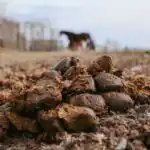
- Organic manure sample (e.g., cow dung, poultry droppings)
- Mulching materials (e.g., dry leaves, grass, straw)
- Simple garden tools (e.g., trowel, hand fork)
Rationale for the Lesson
This lesson is important because it teaches pupils practical methods to improve soil fertility, which is essential for successful farming and food production. Understanding soil enrichment helps pupils appreciate sustainable agricultural practices. It also provides hands-on experience in caring for the environment.
Prerequisite/Previous Knowledge
Pupils should have basic knowledge of what soil is and some common types of soil found in their environment.
Lesson Content/Board Summary
Soil Classification And Enrichment: Enriching The Soil
Ways of Enriching Soil
Enriching soil means adding good things to it to make plants grow better. Healthy soil gives plants the food they need to be strong and produce more crops. Some ways to enrich the soil include:
- Using Fertilizers: These are substances added to the soil to provide nutrients for plants.
- Inorganic Fertilizers: These are man-made chemicals like NPK (Nitrogen, Phosphorus, Potassium) fertilizer. They give plants quick nutrients.
- Organic Fertilizers: These come from natural sources like animal waste (manure) and rotten plants (compost). They improve soil structure over time.
- Adding Compost/Manure: This involves mixing decomposed organic matter (like rotten leaves, food scraps, animal dung) into the soil.
- Compost: Made from decayed plant and animal matter.
- Manure: Animal waste, such as cow dung or poultry droppings.
- Mulching: This is covering the soil surface around plants with materials like dry leaves, grass, or straw.
- Mulch helps to keep the soil moist, prevents weeds, and adds nutrients as it decomposes.
- Cover Crops: These are plants grown specifically to cover the soil, protecting it from erosion and adding nutrients when they are ploughed back into the soil.
- Examples include legumes like beans or groundnuts, which add nitrogen to the soil.
- Crop Rotation: This is the practice of growing different types of crops in the same area in a planned sequence.
- It helps to maintain soil fertility, control pests, and prevent diseases. For example, growing a nitrogen-fixing crop after a crop that uses a lot of nitrogen.
Teaching Methods/Instructional Techniques
Discussion, Demonstration, Guided Practice, Question and Answer, Explanation, Observation, Practical Activity
Instructional Procedures
Step 1: Introduction
Time: 5 minutes
Teaching Skill: Questioning/Review
Teacher’s Activity: The teacher greets the pupils and asks them to recall what they learned about soil types. The teacher then introduces the topic of enriching soil by asking why farmers add things to their farm land.
Pupils’ Activity: Pupils respond to questions and listen attentively to the introduction of the new topic.
Learning Point: Soil types recall
Step 2: Explanation of Fertilizers
Time: 7 minutes
Teaching Skill: Explanation/Demonstration
Teacher’s Activity: The teacher explains what fertilizers are and shows samples of NPK fertilizer (inorganic) and explains its use. The teacher also shows organic manure samples and explains their benefits.
Pupils’ Activity: Pupils observe the samples, listen to explanations, and ask questions.
Learning Point: Fertilizer types and uses
Step 3: Explanation and Demonstration of Compost/Manure
Time: 8 minutes
Teaching Skill: Demonstration/Explanation
Teacher’s Activity: The teacher explains compost and manure in detail. Using the organic manure sample, the teacher demonstrates how compost or manure can be mixed into soil samples, explaining its role in improving soil fertility.
Pupils’ Activity: Pupils observe the demonstration and discuss how they have seen manure used.
Learning Point: Compost and manure application
Step 4: Explanation and Demonstration of Mulching
Time: 7 minutes
Teaching Skill: Demonstration/Explanation
Teacher’s Activity: The teacher explains mulching and its benefits. Using dry leaves or grass, the teacher demonstrates how to apply mulch around a plant in a soil sample or a small pot.
Pupils’ Activity: Pupils observe the mulching demonstration and identify local materials that can be used for mulching.
Learning Point: Mulching technique and benefits
Step 5: Explanation of Cover Crops and Crop Rotation
Time: 6 minutes
Teaching Skill: Explanation/Discussion
Teacher’s Activity: The teacher explains cover crops and crop rotation, providing simple examples like planting beans to enrich soil. The teacher highlights how these methods help maintain soil health naturally.
Pupils’ Activity: Pupils listen, ask questions, and discuss examples of crops they know that might be cover crops.
Learning Point: Cover crops and crop rotation
Step 6: Activity: Matching Enrichment Methods
Time: 4 minutes
Teaching Skill: Guided Practice/Collaboration
Teacher’s Activity: The teacher writes different enrichment methods and their purposes on the board or on flashcards. Pupils are guided to match each method to its correct purpose.
Pupils’ Activity: Pupils work in pairs or small groups to match the enrichment methods to their purposes.
Learning Point: Matching methods and purposes
Step 7: Evaluation/Review
Time: 5 minutes
Teaching Skill: Questioning/Assessment
Teacher’s Activity: The teacher evaluates the learning by asking the following questions:
- Mention two ways of enriching the soil.
- Give an example of an organic fertilizer.
- What is mulching?
- Why is it important to enrich the soil?
Pupils’ Activity: Pupils answer orally and in writing.
Learning Point: Soil enrichment understanding
Step 8: Note-Taking
Time: 4 minutes
Teaching Skill: Guided Writing
Teacher’s Activity: The teacher guides pupils/students to copy the essential Board Summary notes on ways of enriching soil into their notebooks.
Pupils’ Activity: Pupils/students copy the notes carefully into their notebooks.
Learning Point: Recording lesson notes
Step 9: Conclusion
Time: 2 minutes
Teaching Skill: Reinforcement
Teacher’s Activity: The teacher briefly summarises the main ways of enriching soil and encourages pupils to observe these practices in their homes or local farms. The teacher praises pupils for their participation.
Pupils’ Activity: Pupils listen and affirm their understanding.
Learning Point: Lesson summary and appreciation
Continuous Assessment/Further Study
Type: Homework
Instruction: Answer the following questions in your notebook:
- List three materials you can use for mulching in your compound.
- Ask a farmer or gardener in your community what they use to make their soil rich. Write down their answer.
- Draw and label one way of enriching the soil.
Lesson Keywords
- Enriching – Making something better or richer.
- Fertilizer – Substances added to soil to provide nutrients for plants.
- Compost – Decomposed organic matter used to enrich soil.
- Manure – Animal waste used as fertilizer.
- Mulching – Covering soil with materials to protect and enrich it.
- Cover crops – Plants grown to cover and protect the soil.
- Crop rotation – Growing different crops in sequence on the same land.
Differentiation
For weaker learners, the teacher will provide simplified definitions and focus on identifying only two main methods of soil enrichment (e.g., fertilizer and manure) with practical examples. Faster learners will be encouraged to research other types of cover crops or specific benefits of each enrichment method.
Suggested Lesson Videos
For relevant video content, search on YouTube for “Primary 4 ways to enrich soil” or “soil enrichment methods for kids”.
Teacher Guide for Using This Lesson Plan
Before the lesson, gather all instructional materials: soil samples, NPK fertilizer, organic manure (e.g., cow dung), and mulching materials (dry leaves, grass). Ensure a small pot or tray is available for demonstration. Begin by activating prior knowledge about soil. Clearly explain and demonstrate each method of soil enrichment as outlined in the procedures, ensuring pupils observe and participate. Emphasise the practical application of these methods. Guide pupils through the matching activity. After the evaluation, ensure pupils copy the Board Summary accurately. Encourage questions and provide clear, concise answers. Reinforce the importance of soil enrichment for plant health and food security.

Community Join the conversation Open discussion +