

Class: Primary Four
Term: First Term
Subject: Pre-vocational Studies
Curriculum Theme: Home Economics
Previous Lesson: Importance Of Home Economics To The Society
Topic: Personal Grooming and Use of Cosmetics
Content/Learning Area: What is Personal Grooming?, What are Cosmetics?, Types of Cosmetics, Using Cosmetics Safely
Time Allocation: 40 minutes
Performance Objectives
By the end of the lesson, pupils should be able to:
- Cognitive Domain:
- Identify different aspects of personal grooming.
- List various types of cosmetics.
- Explain the importance of safe cosmetic use.
- Affective Domain:
- Appreciate the importance of personal hygiene.
- Show respect for personal space and hygiene.
- Psychomotor Domain:
- Demonstrate proper handwashing techniques.
- Practice safe request of cosmetics (simulated).
- Social Domain:
- Cooperate with peers during activities.
- Share knowledge about personal grooming and cosmetics.
Reference Materials
- 9 – Years basic education Curriculum
- Abuja Educational Resource Center Scheme of Work
- NAPPS National unified Scheme of Work
- Relevant textbooks
Instructional Materials
To deliver this lesson, the teacher will use the following materials:
- Whiteboard or chart paper
- Markers or pens
- Pictures or illustrations of personal grooming and cosmetics
- Sample cosmetic containers (optional)
Rationale for the Lesson
This lesson is crucial for developing good hygiene habits and promoting self-esteem. Understanding personal grooming and safe cosmetic use are essential life skills that contribute to overall well-being and confidence.
Prerequisite/Previous Knowledge
The teacher will begin by asking pupils about thier daily routines, prompting discussion on activities related to cleanliness and appearance. A fast review of handwashing techniques will be done. This will smoothly transition into the lesson on personal grooming.
Lesson Content
what is Personal Grooming?
Personal grooming is all about taking care of your appearance. it’s important for good health and feeling confident. Key aspects include:
- Bathing: Regular bathing removes dirt and germs.
- Hair Care: Washing, brushing, and styling keeps hair clean and healthy.
- Oral Hygiene: Brushing and flossing prevent cavities and bad breath.
- Nail Care: Keeping nails clean and trimmed prevents infections.
- Skin Care: Moisturizing and protecting skin from the sun.
- clothing: Wearing clean and appropriate clothes.
What are Cosmetics?
Cosmetics are products that enhance your appearance. They can:
- Cleanse: Remove dirt and makeup.
- Moisturize: Keep skin hydrated.
- Protect: Shield skin from the sun.
- Enhance: highlight features like eyes or lips.
- Beautify: Improve the overall look of the skin and hair.
- Conceal: Cover up blemishes or imperfections.
Types of Cosmetics
Many different types of cosmetics exist, including:
- Skincare: Products for cleansing, moisturizing, and protecting skin.
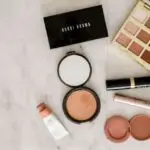
- Makeup: Products like foundation, lipstick, and eyeshadow.
- Hair Care: Products for washing,conditioning,and styling hair.
- fragrances: Perfumes and colognes.
- Nail Products: Nail polish,removers,and strengtheners.
- Body Care: Lotions, scrubs, and bath products.
How to Use Cosmetics Safely
Safe cosmetic use is vital to avoid skin problems. Remember to:
- Choose products suitable for your skin type.
- Test new products on a small area first.
- Don’t share cosmetics.
- Store cosmetics in a cool, dry place.
- Don’t use expired cosmetics.
- Read and follow product instructions carefully.
- Wash your hands before applying cosmetics.
Teaching Methods
To deliver this lesson, the teacher will adopt the following methods: Discussion,Demonstration,Question and Answer,Group Activity
Instructional Procedures
To deliver this lesson,the teacher will adopt the following steps:
Step 1: Introduction
Time: 5 minutes
Teaching Skill: Set Induction
Teacher’s Activity: Engage students in a brief discussion about daily routines and the importance of looking and feeling good.
Pupils’ Activity: Participate in the discussion, sharing their experiences.
Step 2: Clarification of Key Concepts
time: 10 minutes
Teaching Skill: Explanation
Teacher’s Activity: Explain the meaning of personal grooming and cosmetics, using visuals and examples.
Pupils’ Activity: Listen attentively, ask clarifying questions.
Step 3: Demonstration of Proper Handwashing
Time: 10 minutes
Teaching Skill: Demonstration, Guided Practice
Teacher’s Activity: demonstrate proper handwashing and basic cosmetic submission techniques (simulated).
Pupils’ Activity: Observe the demonstration, practice handwashing.
Step 4: Supervised Practice
Time: 5 minutes
Teaching Skill: Monitoring, Feedback
Teacher’s Activity: Supervise pupils as they practice handwashing and discuss safe cosmetic use.Pupils’ Activity: Practice handwashing and discuss safe cosmetic use.
Step 5: Note-Taking
Time: 5 minutes
Teaching Skill: Note-taking, Summarizing
Teacher’s Activity: Guide pupils in taking notes on key concepts.
Pupils’ Activity: Take notes on key concepts.
Step 6: Evaluation/review
Time: 5 minutes
Teaching Skill: Questioning, Feedback
Teacher’s Activity: Ask review questions to assess understanding.
Pupils’ Activity: Answer review questions.
Objective-aligned checks:
- Identify different aspects of personal grooming.
- List various types of cosmetics.
- Explain the importance of safe cosmetic use.
Step 7: Conclusion
Time: 2 minutes
teaching Skill: Summarizing
Teacher’s Activity: summarize the key points about personal grooming and safe cosmetic use.
Pupils’ Activity: Listen to the summary and ask any remaining questions.
Lesson Keywords
- Personal Grooming – Taking care of one’s appearance.
- Cosmetics – Products used to enhance appearance.
- Hygiene – Practices for maintaining cleanliness and health.
- Skincare – Practices for maintaining healthy skin.
- Makeup – Cosmetics used to enhance facial features.
Lesson Evaluation
To evaluate the learning, the teacher asks pupils to:
- Name three personal grooming activities.
- Why is it critically important to use cosmetics safely?
- List two tips for safe cosmetic use.
- give an example of skincare and makeup.
- What are the benefits of good personal grooming?
Assignment/Homework
- Draw a picture of a person practicing good hygiene.
- List five items you use for personal grooming.
- Ask your parents about the cosmetics they use and write them down.
Differentiation
- For slower learners: Provide one-on-one assistance and simplified explanations.
- For advanced learners: Research different cosmetic ingredients and their effects on the skin.
- For visual/auditory/kinesthetic learners: Use visual aids,demonstrations,and hands-on activities to cater to different learning styles.
Note for Teachers
Ensure to emphasize the importance of hygiene and safety when discussing personal grooming and cosmetics. Encourage pupils to ask questions and share their experiences.

Community Join the conversation Open discussion +