

class: Primary Four
Term: First Term
Subject: Pre-vocational studies
Curriculum Theme: Home Economics
Previous Lesson:
Topic: Personal Grooming and the Use of Cosmetics
content/Learning Area: What is Personal Grooming?, Functions of Body Parts, Cosmetics, Using Cosmetics Safely
Time Allocation: (Time allocation needs to be specified)
Performance Objectives
By the end of the lesson, pupils should be able to:
- Cognitive Domain:
1.Identify parts of their body.
2. State the function of each part of their body.
3. Define personal grooming.
4. List the importance of personal grooming.5. Explain the safe use of cosmetics.
- Affective Domain:
1.Appreciate the importance of personal hygiene.
2.Develop confidence in their appearance.
- Psychomotor Domain:
1. Demonstrate proper handwashing techniques.
2. Show how to brush teeth effectively.
- Social Domain:
1. Interact positively with peers regarding personal hygiene.
Reference Materials
- 9 – Years basic Education Curriculum
- abuja educational Resource centre Scheme of Work
- NAPPS National unified Scheme of work
- Online Details
- Relevant Textbooks
Instructional Materials
To deliver this lesson, the teacher will use the following materials:
- Whiteboard or chart
- Markers or chalk
- pictures of body parts
- Examples of cosmetics (if available)
Rationale for the Lesson
This lesson is crucial for developing good hygiene habits and self-esteem in young children. Understanding their bodies and how to care for them is essential for their overall health and well-being.
Prerequisite/Previous Knowledge
Pupils are expected to have basic knowledge of personal hygiene practices.
Lesson Content
What is Personal Grooming?
Personal grooming involves taking care of your body to look and feel good. It includes various practices that help maintain cleanliness and overall appearance.
The following are examples of personal grooming practices:
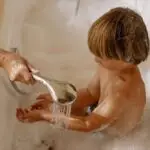
- Bathing: Washing the body regularly to remove dirt and sweat.
- Brushing Teeth: Cleaning teeth to prevent cavities and maintain oral hygiene.
- Caring for Hair: Washing, combing, and styling hair to keep it neat and healthy.
- Caring for Nails: Trimming and cleaning nails to prevent infections.
- Washing Hands: Cleaning hands regularly, especially before meals and after using the toilet, to prevent the spread of germs.
Functions of Body Parts
Each part of our body has a specific role to play in keeping us healthy and functioning properly.
These include:
- Hair: Protects our scalp from sun and cold; helps regulate body temperature.
- Eyes: Allow us to see the world around us.
- Nose: Helps us smell different scents and filter the air we breathe.
- Mouth: Used for eating, drinking, and speaking; starts the process of digestion.
- Teeth: Help us chew food into smaller pieces; critically important for clear speech.
- Legs: Help us walk, run, and stand; maintain our balance.
- Nails: Protect our fingers and toes from injury.
- Ears: Allow us to hear sounds and maintain balance.
- Skin: protects our body from germs and helps regulate body temperature.
Cosmetics
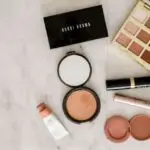
Cosmetics are products used to enhance or alter the appearance of the body. They come in various forms and serve different purposes.
They are:
- Cover blemishes: Concealing imperfections on the skin.
- Make features look better: Enhancing natural features like eyes or lips.
- Protect skin: Providing a barrier against environmental factors like sun or wind.
- Moisturize skin: Keeping the skin hydrated and preventing dryness.
- Cleanse skin: Removing dirt,oil,and makeup from the skin.
Using Cosmetics Safely
Using cosmetics safely is essential to avoid potential health risks and skin problems.
The following guidelines should be followed:
- Choose products for your skin type: Selecting cosmetics that are suitable for your skin type (e.g., oily, dry, sensitive).
- Test a small area first to check for allergies: Applying a small amount of the product to a discreet area of skin to check for any adverse reactions.
- Remove makeup before bed: Cleaning off makeup before sleeping to allow the skin to breathe and prevent clogged pores.
- Store cosmetics properly: Keeping cosmetics in a cool,dry place away from direct sunlight to prevent spoilage.
- Avoid sharing cosmetics: Preventing the spread of bacteria and infections by not sharing makeup products with others.
- Check expiration dates: Discarding expired cosmetics to avoid using products that might potentially be contaminated or less effective.
Teaching Methods
To deliver this lesson, the teacher will adopt the following methods: Discussion, question and Answer, Presentation.
Instructional Procedures
To deliver this lesson, the teacher will adopt the following steps:
Step 1: Introduction
Time: (Time needs to be specified)
Teaching Skill: Set Induction
Teacher’s Activity: Asks pupils what they do to get ready for school in the morning.
Pupils’ Activity: Respond to the teacher’s questions.
Step 2: Description of Key Concepts
Time: (Time needs to be specified)
Teaching Skill: Explaining
Teacher’s Activity: Explains the meaning of personal grooming and its importance.
Pupils’ Activity: Listen attentively and ask questions.
Step 3: demonstration/Guided Practice
Time: (time needs to be specified)
Teaching Skill: Demonstrating
Teacher’s Activity: Demonstrates proper handwashing and teeth brushing techniques.
Pupils’ Activity: Observe the demonstration and practice the techniques.
Step 4: Autonomous Practice
Time: (Time needs to be specified)
Teaching Skill: Monitoring
Teacher’s Activity: Supervises pupils as they practice personal grooming techniques.
Pupils’ Activity: Practice independently.
Step 5: Note-Taking
time: (Time needs to be specified)
Teaching Skill: Note-taking
Teacher’s Activity: Guides pupils in taking notes on key concepts.
Pupils’ Activity: Take notes.
Step 6: Evaluation/Review
time: (Time needs to be specified)
Teaching Skill: Questioning
teacher’s Activity: Asks questions to assess pupils’ understanding.
Pupils’ Activity: Answer the questions.
Objective-aligned checks:
- Identify parts of their body.
- State the function of each part of their body.
- Define personal grooming.
Step 7: Conclusion
Time: (Time needs to be specified)
Teaching Skill: Summarizing
Teacher’s activity: Summarizes the lesson and assigns homework.
Pupils’ Activity: Listen attentively.
Lesson Keywords
- Personal grooming – Caring for your body to look and feel good.
- Cosmetics – Products used to enhance or alter appearance.
- Hygiene – Practices that maintain health and prevent disease.
- Body Parts – Different sections of the body with specific functions.
- Safe Use – using products in a way that avoids harm.
Lesson Evaluation
To evaluate the learning, the teacher asks pupils to:
- What are three ways to care for your hair?
- Why is brushing your teeth important?
- Name two cosmetics and their uses.
- How can you use cosmetics safely?
- What are three functions of your legs?
Assignment/Homework
- Draw a picture of yourself practicing good hygiene habits.
- List five things you can do to keep your body clean and healthy.
- Ask your parents about the cosmetics they use and why.
Differentiation
- For slower learners: Provide one-on-one assistance and use simpler language.
- For advanced learners: Encourage them to research different types of cosmetics and their ingredients.
- For visual/auditory/kinesthetic learners: Use visual aids, verbal explanations, and hands-on activities to cater to different learning styles.
Note for Teachers
Ensure to provide a supportive and encouraging environment for pupils to discuss personal hygiene and grooming practices. Emphasize the importance of self-care and building confidence in their appearance.
Community Join the conversation Open discussion +