

Note for teachers using this lesson plan
This lesson introduces Primary 4 pupils to the concept of soil infertility and its common causes. Ensure you have visual aids like soil samples, pictures, or short video clips to make the explanations concrete and relatable. Emphasise the importance of healthy soil for plant growth. By the end of the lesson, pupils should be able to clearly explain what soil infertility means and identify key practices that lead to it.
Class: Primary 4
Term: First Term
Week: 6
Age: 9 years
Duration: 45 minutes
Subject: Pre-Vocational Studies
Curriculum Theme: Concept of Agriculture
Focal competence: Identifying different soil types in their environment and adding organic matter to improve soil fertility
Key competencies/values: Communication; Collaboration; ICT and Digital Competencies
Skills:
- Identifying causes of soil infertility
Previous Lesson: Types of soil and simple observable differences
Topic: Soil Classification And Enrichment: Soil Infertility
Subject Matter: Meaning of soil infertility and its causes
Specific Objectives
By the end of the lesson, pupils should be able to:
Cognitive Domain
- Explain the meaning of soil infertility.
- Identify causes of soil infertility.
Affective Domain
- Appreciate the importance of preventing soil infertility.
Psychomotor Domain
- Point out examples of practices that cause soil infertility.
Reference Materials
The following resources were used in planning this lesson:
- 2025 Revised 9 Years Basic Education Curriculum
- Relevant State Unified Scheme of Work
- Pre-Vocational Studies for Primary 4 Textbook
- The HeadTeacher Scheme of work
Instructional Materials
The teacher will teach this lesson with the aid of:
- Soil samples
- Relevant video clips
- Fertilizer (NPK) sample
- Organic manure sample
- Pictures showing fertile and infertile land
Rationale for the Lesson
This lesson is important as it helps pupils understand why some soils cannot support plant growth effectively. By learning about soil infertility and its causes, pupils can begin to appreciate the need for good farming practices to maintain healthy soil, which is essential for agriculture and food production.
Prerequisite/Previous Knowledge
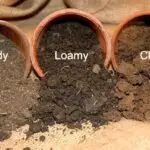
Pupils should have a basic understanding of different types of soil (e.g., sandy, loamy, clayey) and the importance of soil for growing plants.
Lesson Content/Board Summary
Soil Classification And Enrichment: Soil Infertility
Meaning of Soil Infertility
Soil infertility is when the soil cannot grow healthy plants because it lacks enough nutrients or has other problems that stop plants from growing well. Infertile soil usually produces very few or unhealthy crops.
Causes of Soil Infertility
Several practices and natural processes can make soil infertile. These include:
- Erosion: This is the washing away of the rich topsoil by wind or water. Topsoil contains most of the nutrients plants need, so when it is eroded, the soil becomes infertile.
- Overgrazing: This happens when too many animals feed on a piece of land for too long. They eat all the plants, leaving the soil bare and exposed to erosion, which leads to nutrient loss.
- Bush Burning: Setting bushes and farmlands on fire destroys organic matter in the soil and kills helpful microorganisms. This reduces the soil’s ability to hold water and nutrients, making it infertile.
- Leaching: This is when heavy rainfall washes away important nutrients from the topsoil deeper into the ground, where plant roots cannot reach them. This makes the soil poor in nutrients and infertile.
Teaching Methods/Instructional Techniques
Discussion, Demonstration, Guided Practice, Question and Answer, Explanation, Observation, Visual Aids.
Instructional Procedures
Step 1: Introduction
Time: 5 minutes
Teaching Skill: Activating Prior Knowledge
Teacher’s Activity: The teacher greets the pupils and asks them to recall what they learned about different types of soil and why soil is important for plants. The teacher then asks what happens if soil is not good for plants.
Pupils’ Activity: Pupils respond to questions and share their previous knowledge.
Learning Point: Importance of healthy soil.
Step 2: Explanation of Soil Infertility
Time: 8 minutes
Teaching Skill: Explanation/Demonstration
Teacher’s Activity: The teacher explains the meaning of soil infertility using simple language and shows pictures of fertile and infertile land. The teacher may also show a sample of healthy soil and a poor soil sample (if available) for comparison.
Pupils’ Activity: Pupils observe the pictures and soil samples, listen attentively, and ask questions for clarification.
Learning Point: Meaning of soil infertility.
Step 3: Introduction to Erosion as a Cause
Time: 7 minutes
Teaching Skill: Explanation/Visualisation
Teacher’s Activity: The teacher introduces erosion as the first cause of soil infertility. The teacher explains how wind and water carry away the rich topsoil and may show a short video clip or pictures of eroded land.
Pupils’ Activity: Pupils watch the video/pictures and listen to the explanation of erosion.
Learning Point: Erosion and soil infertility.
Step 4: Discussing Overgrazing and Bush Burning
Time: 7 minutes
Teaching Skill: Discussion/Questioning
Teacher’s Activity: The teacher discusses overgrazing and bush burning as other causes of soil infertility. The teacher asks pupils what happens when too many animals eat all the grass or when people burn bushes.
Pupils’ Activity: Pupils contribute to the discussion, identify the effects of overgrazing and bush burning, and relate them to soil health.
Learning Point: Overgrazing and bush burning.
Step 5: Explaining Leaching
Time: 6 minutes
Teaching Skill: Explanation/Analogy
Teacher’s Activity: The teacher explains leaching as the washing away of nutrients by water. The teacher can use an analogy, like water washing away sugar from a cup of sand, to make the concept clear.
Pupils’ Activity: Pupils listen to the explanation and try to understand the concept of leaching.
Learning Point: Leaching of soil nutrients.
Step 6: Identifying Practices that Reduce Soil Fertility
Time: 5 minutes
Teaching Skill: Guided Practice/Reinforcement
Teacher’s Activity: The teacher asks pupils to identify and list the different practices or processes discussed that can reduce soil fertility. (Connects with Activity 2 from seed).
Pupils’ Activity: Pupils identify and list the causes of soil infertility discussed in the lesson.
Learning Point: Identification of infertility causes.
Step 7: Evaluation/Review
Time: 5 minutes
Teaching Skill: Questioning/Assessment
Teacher’s Activity: The teacher evaluates the learning by asking the following questions:
- What is soil infertility?
- Mention two causes of soil infertility.
- How does bush burning make soil infertile?
Pupils’ Activity: Pupils answer orally and in writing.
Learning Point: Understanding soil infertility causes.
Step 8: Note-Taking
Time: 4 minutes
Teaching Skill: Guided Writing
Teacher’s Activity: The teacher guides pupils to copy the essential Board Summary notes on the meaning and causes of soil infertility into their notebooks.
Pupils’ Activity: Pupils copy the notes carefully into their notebooks.
Learning Point: Recording lesson notes.
Step 9: Conclusion
Time: 3 minutes
Teaching Skill: Consolidation
Teacher’s Activity: The teacher summarises the main points of the lesson, reminding pupils about the meaning of soil infertility and its causes. The teacher encourages them to think about ways to prevent these causes.
Pupils’ Activity: Pupils listen and reflect on the lesson.
Learning Point: Summary of soil infertility.
Continuous Assessment/Further Study
Type: Homework
Instruction: Answer the following questions in your notebook.
- Define soil infertility in your own words.
- List three causes of soil infertility.
- Draw and label a picture showing one way soil erosion happens.
Lesson Keywords
- Infertility – The state of being unable to produce or grow.
- Erosion – The process of soil being worn away by wind, water, or other natural agents.
- Overgrazing – When too many animals feed on an area of land, causing damage to the vegetation and soil.
- Bush Burning – The act of setting fire to vegetation in a bush or farmland.
- Leaching – The process by which water washes away nutrients from the soil.
Differentiation
For weaker learners, the teacher will focus on helping them define soil infertility and name at least two causes using simplified terms and more visual aids. For faster learners, the teacher will encourage them to explain how each cause specifically leads to the loss of soil nutrients and suggest ways to prevent them.
Suggested Lesson Videos
You can search on YouTube for: “Meaning of soil infertility for primary school” or “Causes of soil infertility for kids”.
Teacher Guide for Using This Lesson Plan
Before the lesson, gather soil samples (one fertile, one poor), pictures of eroded land, overgrazing, bush burning, and a short video clip on soil erosion or leaching if possible. Start by engaging pupils with questions about healthy soil. Explain soil infertility clearly, using the visual aids for better understanding. When teaching the causes, take time to explain each one with simple examples. Encourage pupils to participate actively in discussions, especially when identifying practices that reduce soil fertility. Ensure pupils copy the Board Summary accurately. During evaluation, check if they can both define infertility and identify its causes. Provide extra support for those struggling and challenge advanced learners to elaborate on the concepts.


Community Join the conversation Open discussion +