

Note for teachers using this lesson plan
This lesson introduces Primary 4 pupils to the fundamental concept of soil, its meaning, and its importance, especially as a medium for plant growth. Teachers should prepare local soil samples and relevant video clips to make the lesson concrete and engaging. By the end of the lesson, pupils should be able to clearly explain what soil is and articulate its various uses and importance in our daily lives.
Class: Primary Four
Term: First Term
Week: 4
Age: 9 years
Duration: 45 minutes
Subject: Pre-Vocational Studies
Curriculum Theme: Concept of Agriculture
Focal competence: Identifying different soil types in their environment and adding organic matter to improve soil fertility
Key competencies/values: Communication; Collaboration; ICT and Digital Competencies
Skills:
- Explaining the meaning and importance of soil
Previous Lesson: Scope and Branches of Agriculture
Topic: Soil Classification And Enrichment
Subject Matter: meaning of soil, importance of soil, soil as a medium for plant growth
Specific Objectives
By the end of the lesson, pupils should be able to:
Cognitive Domain
- Explain the meaning of soil.
- Explain the importance of soil.
Affective Domain
- Appreciate the role of soil in supporting life.
Psychomotor Domain
- Identify different soil samples.
Social Domain
- Collaborate with peers during group discussions on soil importance.
Reference Materials
The following resources were used in planning this lesson:
- 2025 Revised 9 Years Basic Education Curriculum
- Relevant State Unified Scheme of Work
- Pre-Vocational Studies for Primary 4
- The HeadTeacher Scheme of work
Instructional Materials
The teacher will teach this lesson with the aid of:
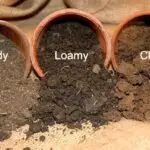
- Soil samples (e.g., sand, clay, loam)
- Relevant video clips
- Fertilizer (NPK) sample
- Organic manure sample
- Chart showing uses of soil
Rationale for the Lesson
This lesson is important because soil is a fundamental natural resource that supports all life on Earth, especially through agriculture. Understanding soil’s meaning and importance helps pupils appreciate its role in food production and environmental sustainability. This knowledge forms a basis for further studies in agriculture and environmental science.
Prerequisite/Previous Knowledge
Pupils are familiar with the ground beneath their feet and may have observed plants growing in soil in their homes or school environment.
Lesson Content/Board Summary
Soil Classification And Enrichment
Meaning of Soil
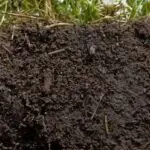
Soil is the loose top layer of the Earth’s surface where plants grow. It is made up of tiny pieces of rocks, decayed plants and animals (humus), water, and air.
Importance of Soil
Soil is very important for many reasons. Some of its importance include:
- It provides a place for plants to grow.
- It holds water and nutrients that plants need to grow well.
- It is a home for many living things like earthworms, insects, and microorganisms.
- It is used to make building materials like bricks and mud blocks.
- It is used for pottery and making crafts.
- It supports buildings and structures.
Soil as a Medium for Plant Growth
Soil is essential for plant growth because it provides:
- Anchorage: It holds plant roots firmly in place, preventing them from falling over.
- Water: Soil stores water, which plants absorb through their roots.
- Nutrients: Soil contains essential minerals and nutrients that plants need for healthy growth. These nutrients are absorbed from the soil by the roots.
- Air: Soil particles create spaces for air, which roots also need to breathe.
Teaching Methods/Instructional Techniques
Discussion, Demonstration, Guided Practice, Question and Answer, Explanation, Observation.
Instructional Procedures
Step 1: Introduction
Time: 5 minutes
Teaching Skill: Engaging/Questioning
Teacher’s Activity: The teacher greets the pupils and asks them to look at the ground outside or points to a potted plant. The teacher then asks, “What do you call the material where plants grow?”
Pupils’ Activity: Pupils respond, “Soil” or “Ground.”
Learning Point: Introduction to soil
Step 2: Explanation of Meaning of Soil
Time: 7 minutes
Teaching Skill: Demonstration/Explanation
Teacher’s Activity: The teacher displays different soil samples (sand, clay, loam) and uses them to explain what soil is, highlighting its components like tiny rocks, humus, water, and air. (Activity 1)
Pupils’ Activity: Pupils observe the soil samples and listen attentively to the explanation.
Learning Point: Meaning of soil
Step 3: Identifying Soil Samples
Time: 5 minutes
Teaching Skill: Observation/Guided Practice
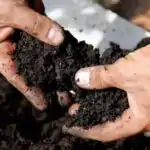
Teacher’s Activity: The teacher asks pupils to carefully touch and describe the different soil samples, guiding them to identify differences in texture.
Pupils’ Activity: Pupils feel the soil samples and describe their textures (e.g., sandy, smooth, sticky).
Learning Point: Identifying soil samples
Step 4: Explanation of General Importance of Soil
Time: 7 minutes
Teaching Skill: Explanation/Discussion
Teacher’s Activity: The teacher explains the general importance of soil, such as being a home for organisms, a source of building materials, and for pottery, using a chart if available.
Pupils’ Activity: Pupils listen and contribute ideas about what soil is used for.
Learning Point: General soil importance
Step 5: Stating Uses/Importance of Soil
Time: 5 minutes
Teaching Skill: Questioning/Recall
Teacher’s Activity: The teacher asks pupils to state other uses or importance of soil they know from their familiar settings. (Activity 2)
Pupils’ Activity: Pupils state various uses of soil, e.g., for playing, farming, making bricks, growing flowers.
Learning Point: Stating soil uses
Step 6: Soil as a Medium for Plant Growth
Time: 6 minutes
Teaching Skill: Explanation/Visualisation
Teacher’s Activity: The teacher specifically explains how soil acts as a medium for plant growth, providing anchorage, water, nutrients, and air, possibly showing a short video clip.
Pupils’ Activity: Pupils watch the video clip (if available) and listen to the explanation, asking questions for clarity.
Learning Point: Soil for plant growth
Step 7: Evaluation/Review
Time: 5 minutes
Teaching Skill: Questioning/Assessment
Teacher’s Activity: The teacher evaluates the learning by asking the following questions:
- What is soil?
- Mention two importance of soil.
- How does soil help plants grow?
Pupils’ Activity: Pupils answer orally and in writing.
Learning Point: Understanding soil concepts
Step 8: Note-Taking
Time: 4 minutes
Teaching Skill: Guided Writing
Teacher’s Activity: The teacher guides pupils to copy the essential Board Summary notes on the meaning and importance of soil into their notebooks.
Pupils’ Activity: Pupils copy the notes carefully into their notebooks.
Learning Point: Recording lesson notes
Step 9: Conclusion
Time: 1 minute
Teaching Skill: Summarising
Teacher’s Activity: The teacher briefly reminds pupils that soil is very important for plants, animals, and humans, and encourages them to protect it.
Pupils’ Activity: Pupils listen and acknowledge the importance of soil.
Learning Point: Soil’s vital role
Continuous Assessment/Further Study
Type: Homework
Instruction: Answer the following questions in your notebook:
- List three things that make up soil.
- Write down four ways soil is important to people.
- Draw and label a simple picture showing a plant growing in soil.
Lesson Keywords
- Soil – The loose top layer of the Earth’s surface where plants grow.
- Humus – Decayed plants and animals found in soil.
- Anchorage – The act of holding something firmly in place, like plant roots in soil.
- Nutrients – Substances that plants need to grow and stay healthy.
Differentiation
For weaker learners, the teacher will provide simpler definitions and more direct examples, focusing on the most basic importance of soil. Faster learners can be encouraged to research different types of soil (e.g., sandy, clay, loamy) and their characteristics, or identify more complex uses of soil in their community.
Suggested Lesson Videos
For further understanding, search on YouTube for: meaning and importance of soil for primary 4
Teacher Guide for Using This Lesson Plan
Before the lesson, ensure you have collected various local soil samples (e.g., sandy, clayey, loamy soil) and any available organic manure or NPK fertilizer samples. Prepare a chart illustrating the uses of soil or have relevant video clips ready. Begin by engaging pupils with questions about the ground and plants. When explaining the meaning of soil, use the physical samples to make the concept tangible. Guide pupils to feel and describe the soil textures. During the discussion on the importance of soil, encourage pupils to share examples from their daily lives and local environment. Emphasise soil’s role in plant growth by explaining anchorage, water, nutrients, and air. Allow pupils to copy the Board Summary notes after the main teaching and evaluation to consolidate their learning. Provide support for pupils who struggle with definitions or identifying soil uses, and challenge faster learners with additional questions or research tasks.
Community Join the conversation Open discussion +