

Note for teachers using this lesson plan
This lesson introduces Primary 4 pupils to the fundamental concept of agriculture. Teachers should prepare by gathering visual aids like pictures of farms, crops, and animals to make the explanations concrete. The central concept is for pupils to understand what agriculture means, identify its main activities, and appreciate its importance in their daily lives. By the end of the lesson, pupils should be able to clearly explain agriculture and give relevant examples.
Class: Primary 4
Term: First Term
Week: 1
Age: 9 years
Duration: 45 minutes
Subject: Pre-Vocational Studies
Theme: Concept of Agriculture
Curriculum Theme: Concept of Agriculture
Focal competence: Discussing simple farming activities
Key competencies/values: Communication; Collaboration; ICT and Digital Competencies
Skills:
- Explaining the meaning of Agriculture
Previous Lesson:
Topic: Meaning, Importance And Scope Of Agriculture
Subject Matter: meaning of agriculture, major agricultural activities, importance of agriculture to daily life
Specific Objectives
By the end of the lesson, pupils should be able to:
Cognitive Domain
- Explain the meaning of Agriculture.
- Identify major agricultural activities.
- State the importance of agriculture to daily life.
Affective Domain
- Appreciate the role of agriculture in their daily lives.
- Show interest in farming activities.
Psychomotor Domain
- Give examples of agricultural activities around them.
- Draw simple farm tools or crops.
Social Domain
- Collaborate with peers in discussing agricultural activities.
Reference Materials
The following resources were used in planning this lesson:
- 2025 Revised 9 Years Basic Education Curriculum
- Relevant State Unified Scheme of Work
- Pre-Vocational Studies for Primary 4 textbook
- The HeadTeacher Scheme of work
Instructional Materials
The teacher will teach this lesson with the aid of:
- Relevant video clips showing farming activities
- Charts displaying different crops and farm animals
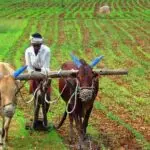
- Pictures of farmers working on a farm
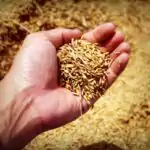
- Actual samples of crops (e.g., yam, maize, cassava)
- Pictures of farm tools (e.g., hoe, cutlass, rake)
Rationale for the Lesson
This lesson introduces pupils to agriculture, a fundamental sector providing food and raw materials. Understanding agriculture helps pupils appreciate where their food comes from and the hard work involved. It also lays a foundation for potential future career interests in agricultural fields.
Prerequisite/Previous Knowledge
Pupils are familiar with different types of food they eat and some animals they see around them.
Lesson Content/Board Summary
Meaning, Importance And Scope Of Agriculture
Meaning of Agriculture
Agriculture is the science and art of cultivating the soil, growing crops, and raising livestock (farm animals) for human use. It involves all the activities needed to produce food, feed, fibre, and other products from plants and animals.
Major Agricultural Activities
Agricultural activities involve different tasks related to growing crops and raising animals. These include:
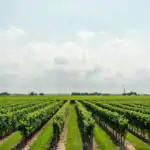
- Crop Farming: This is the growing of plants like maize, yam, cassava, vegetables, and fruits. It involves preparing the land, planting seeds, weeding, applying fertilizers, and harvesting.
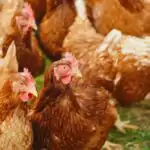
- Animal Rearing (Livestock Farming): This is the raising of animals such as goats, sheep, cows, chickens, and fish for meat, milk, eggs, or other products. It involves feeding, providing shelter, and caring for the animals.
Importance of Agriculture to Daily Life
Agriculture is very important to us in many ways:
- Provides Food: It gives us the food we eat every day, like rice, beans, yam, meat, and milk.
- Provides Raw Materials: It provides raw materials for industries, such as cotton for clothes, timber for furniture, and hides for leather.
- Creates Jobs: Many people work as farmers, farm managers, or in related agricultural businesses, earning a living.
- Generates Income: Farmers sell their produce to earn money, which helps them and their families.
- Source of Foreign Exchange: Agricultural products can be exported to other countries, bringing money into the country.
Teaching Methods/Instructional Techniques
Discussion, Demonstration, Guided Practice, Question and Answer, Explanation, Observation, Practical Activity
Instructional Procedures
Step 1: Introduction
Time: 5 minutes
Teaching Skill: Engaging/Recalling
Teacher’s Activity: The teacher greets the pupils and asks them to mention some of the foods they ate for breakfast. The teacher then asks where these foods come from.
Pupils’ Activity: Pupils mention different foods and try to guess their sources.
Learning Point: Activating prior knowledge
Step 2: Meaning of Agriculture
Time: 10 minutes
Teaching Skill: Explaining/Defining
Teacher’s Activity: The teacher explains the meaning of agriculture as the cultivation of soil, growing of crops, and rearing of animals. The teacher uses simple language and shows pictures or video clips of these activities.
Pupils’ Activity: Pupils listen attentively and observe the pictures/videos.
Learning Point: Definition of agriculture
Step 3: Discussion of Examples
Time: 7 minutes
Teaching Skill: Illustrating/Facilitating
Teacher’s Activity: The teacher gives familiar examples of crops (e.g., yam, maize) and animals (e.g., goats, chickens) grown or reared in their community. The teacher then asks pupils to give examples of agricultural activities they have seen around them.
Pupils’ Activity: Pupils give examples of crops, animals, and farming activities they know.
Learning Point: Familiar agricultural examples
Step 4: Major Agricultural Activities
Time: 7 minutes
Teaching Skill: Classifying/Listing
Teacher’s Activity: The teacher explains the two major agricultural activities: crop farming and animal rearing, highlighting what each involves. The teacher uses charts or real samples to illustrate.
Pupils’ Activity: Pupils listen and observe the charts/samples, identifying the activities.
Learning Point: Main agricultural activities
Step 5: Importance of Agriculture
Time: 5 minutes
Teaching Skill: Explaining/Highlighting
Teacher’s Activity: The teacher discusses the importance of agriculture, focusing on providing food, raw materials, jobs, and income, relating it to the pupils’ daily lives.
Pupils’ Activity: Pupils listen and contribute simple ideas on why agriculture is important.
Learning Point: Importance of agriculture
Step 6: Reinforcement/Application
Time: 3 minutes
Teaching Skill: Questioning/Reinforcing
Teacher’s Activity: The teacher asks pupils to briefly explain what agriculture is and mention one important thing it provides.
Pupils’ Activity: Pupils answer the questions orally.
Learning Point: Consolidating understanding
Step 7: Evaluation/Review
Time: 5 minutes
Teaching Skill: Questioning/Assessment
Teacher’s Activity: The teacher evaluates the learning by asking the following questions:
- What is agriculture?
- Mention two major agricultural activities.
- State two importance of agriculture to our daily life.
Pupils’ Activity: Pupils answer orally and in writing.
Learning Point: Assessment of learning
Step 8: Note-Taking
Time: 4 minutes
Teaching Skill: Guided Writing
Teacher’s Activity: The teacher guides pupils to copy the essential Board Summary notes on the meaning, activities, and importance of agriculture into their notebooks.
Pupils’ Activity: Pupils copy the notes carefully into their notebooks.
Learning Point: Recording lesson notes
Step 9: Conclusion
Time: 2 minutes
Teaching Skill: Summarizing/Closing
Teacher’s Activity: The teacher briefly summarizes the lesson by reminding pupils that agriculture is essential for food and many other things we use daily. The teacher encourages them to appreciate farmers.
Pupils’ Activity: Pupils listen and respond to the teacher’s concluding remarks.
Learning Point: Final lesson recap
Continuous Assessment/Further Study
Type: Homework
Instruction: Answer the following questions in your notebook:
- Draw and label two crops you know.
- Draw and label two farm animals.
- Ask your parents or guardians to tell you one food item in your home that comes from agriculture.
Lesson Keywords
- Agriculture – The practice of farming, including growing crops and raising animals.
- Crops – Plants grown by farmers for food or other uses, like yam, maize, or vegetables.
- Livestock – Farm animals kept for products like meat, milk, or eggs, such as goats, chickens, or cows.
- Farming – The activity of working on a farm, growing crops, or raising animals.
- Harvesting – The process of gathering ripe crops from the fields.
Differentiation
For weaker learners, the teacher will use more visual aids and simpler explanations, focusing on defining agriculture and giving basic examples of crops and animals. Faster learners can be challenged to list more types of agricultural products or discuss how agriculture helps the economy.
Suggested Lesson Videos
For relevant videos, search on YouTube for: meaning and importance of agriculture for primary school
Teacher Guide for Using This Lesson Plan
Before the lesson, ensure you have all necessary visual aids like pictures, charts, or actual samples of crops and farm animals. Start by engaging pupils with questions about their daily food to connect the topic to their lives. Clearly explain the meaning of agriculture and its two main activities: crop farming and animal rearing. Use the provided activities to encourage pupil participation, allowing them to share examples from their environment. Emphasise the importance of agriculture by relating it to food, jobs, and income. Guide pupils to copy the Board Summary notes accurately during the note-taking stage. Ensure that evaluation questions directly assess the objectives taught. Encourage appreciation for farmers and the agricultural sector.
Community Join the conversation Open discussion +