

Class: Primary 4
Term: 2nd Term
Subject: Pre-Vocational Studies
Curriculum theme: Home Economics
Previous Lesson:
Topic: Types And Care Of Personal Clothing
Content/Learning Area: Types of personal clothing e.g. shirts, trousers, pants, vests, scarves, wrappers, pyjamas, caps, footwear, nightgowns, etc.
Time Allocation: 40 minutes
Performance Objectives
By the end of the lesson, pupils should be able to:
- Cognitive Domain: Identify and name at least five types of personal clothing.
- Affective Domain: Appreciate the importance of taking care of personal clothing.
- Psychomotor Domain: Demonstrate how to properly fold or hang personal clothing.
- Social Domain: Discuss how personal hygiene affects relationships in a community.
Reference Materials
The following resources were used in planning this lesson:
- 9 – Years Basic Education Curriculum
- Abuja Educational Resource Center Scheme of Work
- NAPPS National Unified Scheme of Work
- Online Facts from The Creative Curator – A Guide to the Many Different Types of Clothes
- Relevant Textbooks
Instructional Materials
To deliver this lesson, the teacher will employ the help of the following materials:
- Assorted personal clothing items (shirts, trousers, scarves, etc.)
- Clothesline and pegs
- Posters or flashcards with images of clothing types
- A clean iron and ironing board
Rationale for the Lesson
Understanding types and care of personal clothing is essential for personal hygiene, self-presentation, and social interaction. Proper clothing care also extends the lifespan of clothes and promotes neatness.
Prerequisite/Previous Knowledge
Pupils are familiar with wearing clothes daily and have seen various types of personal clothing at home or school.
Lesson Content
Types And Care Of Personal Clothing
Personal clothing refers to the various clothes we wear daily. These clothes protect our bodies,keep us warm,and improve our appearance.
Types of Personal Clothing:
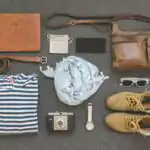
Personal clothing includes a variety of items worn on the body for protection, comfort, and style. They are:
- Shirts: These are worn on the upper body.
- Trousers: Long pants that cover the lower body.
- Pants: Worn as underwear.
- Vests: Lightweight clothing worn under shirts.
- Scarves: Used around the neck for warmth or fashion.
- Wrappers: Conventional fabric worn around the body.
- Pyjamas: Sleepwear for comfort at night.
- Caps: Head coverings for style or protection.
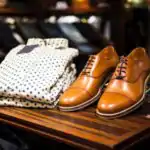
- Footwear: Includes shoes, sandals, or slippers for feet.
- Nightgowns: Loose clothing worn at bedtime.
- Blouses: A type of shirt, often more formal, worn by women.
- Skirts: Garments that hang from the waist down, covering all or part of the legs.
- socks: Worn on the feet inside shoes for comfort and hygiene.
- Suits: Sets of clothing typically including a jacket and trousers or skirt, worn together.
Care for Personal Clothing:
Proper care ensures that personal clothing remains clean, durable, and presentable. The following are ways to care for personal clothing:
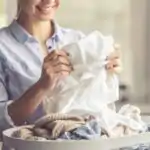
- Wash clothes regularly using soap and water.
- Dry them on a clothesline or under shade.
- Iron clothes to remove wrinkles.
- store them neatly in wardrobes or drawers.
- avoid overloading the washing machine.
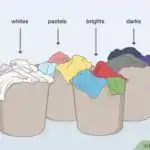
- Sort clothes by color before washing to prevent discoloration.
- Use appropriate detergents for different types of fabrics.
- Check and empty pockets before washing to prevent damage.
- Repair tears or loose buttons promptly to extend the life of the garment.
- Store seasonal clothing properly to protect them from pests and dust.
Teaching Methods
To deliver this lesson, the teacher will adopt the following methods: Interactive Lecture, Presentation, Discussion, Questioning, visual Aids.
Instructional Procedures
To deliver this lesson, the teacher will adopt the following steps:
Step 1: Introduction
Time: 5 mins
Teaching Skill: Set induction
Teacher’s Activity: shows various clothing items and asks pupils to identify them
Pupils’ Activity: Pupils identify and name the displayed items
Step 2: Description of Clothing Types
Time: 8 mins
Teaching skill: Explanation
Teacher’s Activity: Explains different clothing types with examples
Pupils’ Activity: Listen and answer questions
Step 3: Care for Personal Clothing
Time: 10 mins
Teaching Skill: Demonstration
Teacher’s Activity: Demonstrates folding, hanging, and ironing clothes
Pupils’ Activity: Observe and mimic actions
Step 4: Note-Taking
Time: 7 mins
teaching Skill: Guided Writing
Teacher’s Activity: Writes a concise note on the board for pupils to copy
Pupils’ Activity: Copy the note
Step 5: Evaluation/Review
Time: 5 mins
Teaching Skill: Questioning
Teacher’s Activity: Asks questions based on the lesson
Pupils’ Activity: Answer questions orally
Objective-aligned checks:
- Identify and name at least five types of personal clothing.
- Demonstrate how to properly fold or hang personal clothing.
Step 6: Conclusion
Time: 3 mins
teaching Skill: Reinforcement
Teacher’s Activity: Summarizes the lesson and motivates pupils to care for clothing
Pupils’ Activity: Listen attentively
Lesson Keywords
- Clothing – Items worn to cover the body.
- Personal Hygiene – Practices to maintain cleanliness and health.
- Fabrics – Materials used to make clothes.
- Ironing – Pressing clothes to remove wrinkles.
- Folding – Neatly arranging clothes for storage.
lesson Evaluation
To evaluate the learning, the teacher asks pupils to:
- List five types of personal clothing.
- Explain how to care for trousers and shirts.
- Demonstrate how to fold a shirt neatly.
- Discuss why personal hygiene is vital in the community.
Assignment/homework
- List ten different types of personal clothing you have at home.
- Describe the steps you take to care for your school uniform.
- Explain why it is importent to wash your clothes regularly.
Differentiation
- For slower learners: Provide picture cards of different clothing items for identification.
- For advanced learners: Research and present on the history and cultural meaning of a specific type of clothing in Nigeria.
- For visual/auditory/kinesthetic learners: Use visual aids, verbal explanations, and hands-on activities like folding and sorting clothes.
Note for Teachers
Use real-life examples and allow pupils to share their experiences with personal clothing to enhance engagement. Ensure all demonstrations are visible to all pupils.Happy teaching!
Community Join the conversation Open discussion +