

Class: primary Five
Term: First Term
Subject: Pre-vocational Studies
Curriculum Theme: Agricultural Science
Previous Lesson: How To Grow Crops, Thinning And Supplying
Topic: Submission of Fertilizer and manure
Content/Learning Area: What are Fertilizer and Manure?, Applying Fertilizer, applying Manure
Time Allocation: 40 minutes
Performance Objectives
by the end of the lesson, pupils should be able to:
- Cognitive Domain:
- Explain the steps involved in applying fertilizer and manure to crops.
- Identify different types of fertilizers and manure.
- Describe the benefits of using fertilizer and manure.
- Affective Domain:
- Demonstrate recognition for the importance of proper fertilizer and manure application.
- Show obligation in handling and using fertilizers and manure.
- Psychomotor Domain:
- Demonstrate the proper techniques for applying fertilizer and manure.
- Accurately measure and apply the correct amount of fertilizer.
- Social Domain:
- Work in groups to discuss and practice the application of fertilizer and manure.
- Cooperate with peers during group activities.
Reference Materials
- 9 – Years Basic Education Curriculum
- Abuja Educational Resource Center Scheme of Work
- NAPPS National Unified scheme of Work
- Online Details
- relevant Textbooks
Instructional Materials
To deliver this lesson, the teacher will use the following materials:
- Whiteboard or chart
- Markers or chalk
- Pictures or diagrams of fertilizers and manure
- Samples of different types of fertilizers (if available)
- Samples of manure (if available)
Rationale for the Lesson
this lesson is crucial for pupils to understand the importance of proper fertilization and manuring techniques for accomplished crop cultivation. This knowledge will be beneficial in future agricultural practices and contribute to sustainable food production.
Prerequisite/Previous Knowledge
Pupils are familiar with how to grow crops, specifically thinning and supplying.
Lesson Content
What are Fertilizer and manure?
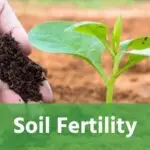
Fertilizers and manure are essential nutrients for plants. Fertilizers are chemical or natural substances that boost soil fertility,acting like vitamins for the soil. Manure, often from animal waste, is an organic material that enriches the soil, providing a healthy snack.
How to Apply Fertilizer
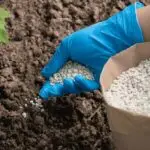
Applying fertilizer correctly is crucial for plant health and growth. The following are the steps to applying fertilizer:
- Determine the right type: Different crops need different fertilizers. Choose the right one for your crop.
- Measure the correct amount: Too much fertilizer harms plants. Follow package instructions.
- Spread evenly: Apply fertilizer evenly around the plant base, avoiding stems.
- Water the soil: Water well after applying fertilizer to help it reach the roots.
- Monitor plant response: Observe plants for signs of improvement or stress after application.
- Reapply as needed: Depending on the fertilizer type and plant needs, reapply at appropriate intervals.
How to Apply Manure
Applying manure correctly is crucial for plant health and growth. The following are the steps to applying manure:
- Select the manure: Use well-rotted manure to avoid burning plants.
- Prepare the soil: Loosen the soil before applying manure for better mixing.
- Apply near the roots: Spread manure around the base, avoiding stems.
- Mix and water: Mix manure with topsoil and water well.
- Monitor plant response: Observe plants for signs of improvement or stress after application.
- Reapply as needed: Depending on the manure type and plant needs, reapply at appropriate intervals.
Teaching Methods
To deliver this lesson, the teacher will adopt the following methods: Description, Presentation, Group work, Question and Answer.
Instructional Procedures
To deliver this lesson, the teacher will adopt the following steps:
Step 1: Introduction (Set Induction)
Time: 5 minutes
Teaching Skill: Questioning, Explanation
Teacher’s Activity: Briefly review the previous lesson. Introduce the topic of fertilizers and manure, highlighting their importance in crop growth.
Pupils’ Activity: Participate in the review, listen attentively to the introduction.
Step 2: Explanation of Key Concepts
Time: 10 minutes
Teaching Skill: Explanation, Definition
Teacher’s Activity: Explain the difference between fertilizers and manure, using simple examples. Explain the importance of each.
Pupils’ Activity: Listen attentively, ask clarifying questions.
Step 3: Exhibition/Guided Practice
Time: 10 minutes
Teaching skill: Demonstration, Guided Practice
Teacher’s Activity: Demonstrate the steps involved in applying fertilizer and manure, emphasizing proper techniques and safety precautions.Pupils’ Activity: Observe the demonstration,ask questions.
step 4: Self-Reliant Practice
Time: 5 minutes
Teaching Skill: Monitoring, Feedback
Teacher’s activity: Divide pupils into groups and have them practice applying fertilizer and manure (using simulated materials if real ones are unavailable).
Pupils’ Activity: Work in groups, apply the learned techniques.
Step 5: Note-Taking
Time: 5 minutes
Teaching Skill: Note-Taking, Summarizing
Teacher’s Activity: Guide pupils in summarizing the key points of the lesson.
Pupils’ Activity: Take notes, summarize key concepts.
Step 6: Evaluation/Review
Time: 5 minutes
Teaching Skill: Questioning, Feedback
Teacher’s Activity: Ask questions to assess pupils’ understanding.
Pupils’ Activity: Answer questions, participate in the review.
Objective-aligned checks:
- Explain the steps involved in applying fertilizer and manure to crops.
- Identify different types of fertilizers and manure.
- Describe the benefits of using fertilizer and manure.
Step 7: Conclusion
Time: 2 minutes
Teaching Skill: Summarizing, Assignment
Teacher’s Activity: Summarize the key points, answer any remaining questions, and assign homework.
Pupils’ Activity: Listen to the summary, ask questions, and note the homework.
Lesson Keywords
- Fertilizer – A chemical or natural substance added to soil to increase its fertility.
- Manure – Organic matter, typically from animal waste, used to fertilize land.
- nutrients – Substances essential for plant growth and health.
- Application – The act of spreading or applying fertilizer or manure to the soil.
- Crop Growth – the process of plants developing and increasing in size.
Lesson Evaluation
To evaluate the learning, the teacher asks pupils to:
- What is the difference between fertilizer and manure?
- List the steps in applying fertilizer to crops.
- Why is watering meaningful after applying fertilizer or manure?
- What are the benefits of using manure?
- How would you apply fertilizer and manure in a small garden?
Assignment/Homework
- Draw and label the steps of applying fertilizer and manure.
- Research different types of fertilizers and manure available in your local area.
- Write a short paragraph on the importance of using fertilizer and manure for crop growth.
Differentiation
- For slower learners: Provide one-on-one assistance and use simpler language.
- For advanced learners: Encourage them to research different types of fertilizers and manure and present their findings to the class.
- For visual/auditory/kinesthetic learners: Use visual aids, verbal explanations, and hands-on activities to cater to different learning styles.
Note for Teachers
Ensure to have samples or pictures of different types of fertilizers and manure to make the lesson more engaging. Emphasize safety precautions when handling fertilizers and manure.Encourage pupils to ask questions and participate actively in discussions.

Community Join the conversation Open discussion +