

Note for teachers using this lesson plan
Before this lesson, ensure you have pictures or videos of gardeners and various crops. Emphasize the importance of gardeners in our food supply and use local examples of crops and gardening practices to make the lesson relatable. By the end of the lesson, pupils should be able to explain what agricultural activities are, identify gardeners, and describe their roles and contributions to the community.
Class: Primary Four
Term: First Term
Week: 10
Age: 9 years
Duration: 45 minutes
Subject: Pre-vocational Studies
Curriculum Theme: Agricultural Science
Previous Lesson: People Involved in Agricultural Activities, Fishermen and Crop Farmers
Topic: People Involved In Agricultural Activities
Subject Matter: Agricultural activities, examples of people involved in Agricultural Activities
Specific Objectives
By the end of the lesson, pupils should be able to:
Cognitive Domain
- Explain agricultural activities.
- List examples of people involved in agricultural activities, focusing on gardeners.
- Identify various crops grown by gardeners.
- Describe the roles of gardeners.
Affective Domain
- Appreciate the importance of gardeners in food production.
Psychomotor Domain
- Identify common gardening tools from pictures.
- Draw examples of crops grown by gardeners.
Social Domain
- Discuss how gardeners contribute to the community’s food supply.
Reference Materials
The following resources were used in planning this lesson:
- 2014 9 Years Basic Education Curriculum
- Abuja Educational Resource Centre Scheme of Work
- NAPPS National unified scheme of Work
- Relevant Textbooks
Instructional Materials
The teacher will teach this lesson with the aid of:
- Pictures or charts showing various agricultural activities
- Pictures or videos of gardeners at work
- Real examples or pictures of different crops (vegetables, flowers, herbs)
- Chart showing common gardening tools (e.g., hoe, rake, watering can)
Rationale for the Lesson
Understanding the various roles in agriculture is important for appreciating the food production process and the interconnectedness of different jobs within the agricultural sector. This lesson lays the foundation for future lessons on specific agricultural practices and helps pupils recognize the value of those who provide our food.
Prerequisite/Previous Knowledge
The teacher will begin by asking pupils what they know about food and where it comes from, sparking a discussion about farming and agriculture. A picture of a garden or farm could be shown to further engage the pupils.
Lesson Content/Board Summary
People Involved In Agricultural Activities
What are Agricultural Activities?
Agricultural activities are the various tasks and practices involved in growing crops, raising livestock, and managing natural resources to produce food, fiber, and other products.
Gardeners
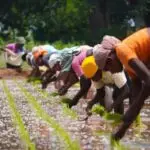
Gardeners are people involved in agricultural activities. They cultivate and maintain plants, such as flowers and vegetables. Gardening is a vital part of agriculture, providing us with food and beautiful plants.
Types of Crops in Gardening
Crops grown in gardens vary widely, contributing to both food security and aesthetic appeal. Examples are:
- Vegetables: Tomatoes, carrots, lettuce, spinach, onions, peppers, beans, cucumbers, eggplant.
- Flowers: Roses, lilies, tulips, sunflowers, daisies, marigolds, petunias.
- Herbs: Basil, mint, rosemary, thyme, oregano, parsley, cilantro.
Roles of Gardeners
Gardeners perform several key tasks to ensure healthy plant growth and productivity. These include:
- Preparing the soil: This involves tilling, fertilizing, and amending the soil.
- Planting seeds or seedlings: Gardeners carefully select and plant seeds or seedlings.
- Watering and fertilizing: Providing plants with water and nutrients.
- Controlling weeds and pests: Using methods to prevent and control weeds and pests.
- Harvesting crops: Carefully harvesting mature crops.
- Pruning and trimming: Removing dead or overgrown branches to promote healthy growth.
- Monitoring plant health: Regularly checking plants for signs of disease or nutrient deficiencies.
Teaching Methods/Instructional Techniques
Discussion, Question and Answer, Explanation, Demonstration, Guided Practice, Observation
Instructional Procedures
Step 1: Introduction
Time: 5 minutes
Teaching Skill: Set induction
Teacher’s Activity: The teacher asks pupils about their understanding of food and where it comes from. Shows a picture of a garden or farm to engage them.
Pupils’ Activity: Pupils respond to the teacher’s questions and observe the picture.
Learning Point: Prior knowledge activation
Step 2: Explanation of Agricultural Activities
Time: 7 minutes
Teaching Skill: Explanation
Teacher’s Activity: The teacher explains the definition of agricultural activities, using simple examples relevant to their local environment.
Pupils’ Activity: Pupils listen attentively and participate in the discussion by giving their own examples.
Learning Point: Meaning of agriculture
Step 3: Introduction to Gardeners
Time: 7 minutes
Teaching Skill: Clarification
Teacher’s Activity: The teacher introduces gardeners as key people involved in agricultural activities, explaining what they do and their importance.
Pupils’ Activity: Pupils listen and ask questions about gardeners and gardening.
Learning Point: Role of gardeners
Step 4: Types of Crops in Gardening
Time: 7 minutes
Teaching Skill: Listing/Identification
Teacher’s Activity: The teacher guides pupils through examples of crops grown by gardeners (vegetables, flowers, herbs) using pictures or real examples.
Pupils’ Activity: Pupils identify and list examples of crops grown in gardens.
Learning Point: Garden crop examples
Step 5: Roles of Gardeners
Time: 7 minutes
Teaching Skill: Description
Teacher’s Activity: The teacher describes the key tasks gardeners perform, such as preparing soil, planting, watering, weeding, and harvesting.
Pupils’ Activity: Pupils listen and discuss the various tasks performed by gardeners.
Learning Point: Gardener’s specific tasks
Step 6: Practical Application/Discussion
Time: 5 minutes
Teaching Skill: Demonstration/Discussion
Teacher’s Activity: The teacher shows pictures or videos of gardeners performing different tasks and facilitates a brief discussion on the importance of these tasks.
Pupils’ Activity: Pupils observe the demonstrations and participate in discussions about gardening practices.
Learning Point: Practical gardening insights
Step 7: Evaluation/Review
Time: 5 minutes
Teaching Skill: Questioning/Assessment
Teacher’s Activity: The teacher evaluates the learning by asking the following questions:
- Who is a gardener?
- Why is gardening important in agriculture?
- Name some crops that gardeners grow.
- What are some tasks gardeners perform?
- How do gardeners contribute to our food supply?
Pupils’ Activity: Pupils answer orally and in writing.
Learning Point: Lesson understanding assessed
Step 8: Note-Taking
Time: 4 minutes
Teaching Skill: Guided Writing
Teacher’s Activity: The teacher guides pupils to copy the essential Board Summary notes on agricultural activities and gardeners into their notebooks.
Pupils’ Activity: Pupils copy the notes carefully into their notebooks.
Learning Point: Board notes copied
Step 9: Conclusion
Time: 3 minutes
Teaching Skill: Summarizing
Teacher’s Activity: The teacher summarizes the lesson by reinforcing the importance of gardeners and their contribution to food production. Assigns homework.
Pupils’ Activity: Pupils listen attentively and take note of homework.
Learning Point: Lesson consolidated
Continuous Assessment/Further Study
Type: Homework
Instruction: Complete the following tasks in your notebook:
- Draw a picture of a gardener and label at least three tools they use.
- List five different vegetables that can be grown in a garden.
- Write a short paragraph explaining why gardeners are important to the community.
Lesson Keywords
- Agriculture – The science or practice of farming, including cultivation of the soil for growing crops and the rearing of animals to provide food, wool, and other products.
- Gardener – A person who cultivates or tends a garden.
- Crops – Plants that are grown for food or other uses.
- Harvesting – The process of gathering a ripe crop.
- Cultivate – To prepare and use land for crops or gardening.
Differentiation
For slower learners: Provide one-on-one assistance and simplified explanations. Use more visual aids and encourage them to identify just two crops or tasks.
For advanced learners: Encourage them to research other agricultural roles besides gardeners and present their findings to the class. They can also identify challenges faced by gardeners.
For visual/auditory/kinesthetic learners: Use visual aids (pictures, videos), discussions, and encourage drawing or miming gardening actions to cater to different learning styles.
Suggested Lesson Videos
You can search on YouTube for: Primary 4 agricultural activities gardeners Nigeria

Community Join the conversation Open discussion +