

Class: Primary Four
Term: First Term
Subject: Pre-vocational Studies
Curriculum Theme: Home Economics
Previous Lesson: Functions of Parts of the Body II in Personal Grooming and Use of Cosmetics
Topic: Personal Grooming and the Use of Cosmetics
Content/Learning Area: Meaning Of Cosmetics And Deodorants, Importance Of Cosmetics and Deodorants
Time Allocation: 40 minutes
Performance Objectives
by the end of the lesson, pupils should be able to:
- Cognitive Domain:
1. Define cosmetics and deodorants.2. State the importance of deodorants and cosmetics.
- psychomotor Domain:
1. Identify examples of cosmetics and deodorants.
- Affective Domain:
1. Appreciate the importance of personal hygiene.2. Demonstrate confidence in personal grooming.
- Social domain:
1. Interact positively with peers regarding personal hygiene.
Reference materials
- 9 – Years Basic Education Curriculum
- Abuja Educational Resource center Scheme of Work
- NAPPS National Unified Scheme of Work
- Relevant Textbooks
Instructional Materials
To deliver this lesson, the teacher will use the following materials:
- whiteboard or chart
- Markers or chalk
- Pictures of cosmetics and deodorants
Rationale for the Lesson
This lesson is crucial for developing good hygiene habits and building self-confidence in young learners. understanding cosmetics and deodorants helps them make informed choices about personal care and promotes a positive self-image.
Prerequisite/Previous Knowledge
Pupils are familiar with basic hygiene practices such as bathing and brushing teeth.
Lesson Content
Meaning Of Cosmetics And Deodorants
Cosmetics and deodorants are essential personal care products. Cosmetics enhance appearance, while deodorants control body odor.
Cosmetics
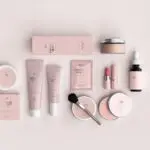
Cosmetics are beauty products that enhance or change how someone looks. These include makeup, skincare, and hair care products.
Deodorants
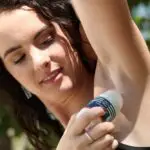
Deodorants are products that stop or hide body odor. They often have things to kill germs and nice smells to keep you fresh.
Importance Of Cosmetics And Deodorants
Cosmetics and deodorants play vital roles in personal grooming and hygiene. They contribute to self-confidence and overall well-being.
Importance of Cosmetics
Cosmetics enhance appearance and boost self-esteem. The following are reasons why cosmetics are crucial:
- Cosmetics can make you look better,which can make you feel more confident.
- They let you be creative and show your style.
- Some cosmetics, like sunscreen, protect your skin from the sun.
- Cosmetics can enhance features, creating a polished and attractive appearance.
- Using makeup can be a form of self-care, providing a relaxing and enjoyable routine.
Importance of Deodorants
Deodorants help control body odor and maintain personal hygiene. The following are reasons why deodorants are important:
- Deodorants help control body odor by preventing or masking unpleasant smells.
- Using deodorant regularly is good hygiene.
- Feeling clean and fresh helps you feel confident.
- Deodorants help prevent the growth of odor-causing bacteria, ensuring long-lasting freshness.
- Using deodorant can help you feel more agreeable and self-assured in social situations.
Teaching Methods
To deliver this lesson, the teacher will adopt the following methods: discussion, Question and answer, Visual Aids
Instructional Procedures
To deliver this lesson, the teacher will adopt the following steps:
Step 1: Introduction (Set Induction)
Time: 5 minutes
Teaching Skill: Questioning
Teacher’s Activity: Ask pupils about their daily routines, focusing on hygiene practices.
Pupils’ Activity: Share their daily routines and discuss hygiene.
Step 2: Description of Key Concepts
Time: 15 minutes
Teaching Skill: Explaining
Teacher’s Activity: Define cosmetics and deodorants using simple language and visual aids.
Pupils’ Activity: Listen attentively and ask clarifying questions.
Step 3: Presentation/Guided Practice
Time: 10 minutes
Teaching Skill: Demonstrating
teacher’s Activity: Show pictures of various cosmetics and deodorants, explaining their uses.
Pupils’ Activity: Identify and name the products shown.
Step 4: Autonomous Practice
Time: 5 minutes
Teaching Skill: Monitoring
Teacher’s Activity: Ask pupils to list examples of cosmetics and deodorants.
Pupils’ Activity: Write down examples of cosmetics and deodorants.
Step 5: Note-taking
Time: 2 minutes
Teaching Skill: Guiding
Teacher’s Activity: Guide pupils in summarizing key points in their notebooks.
Pupils’ activity: Write down key points in their notebooks.
Step 6: Evaluation/Review
Time: 3 minutes
teaching Skill: Questioning
Teacher’s Activity: Ask review questions to assess understanding.
Pupils’ Activity: Answer review questions.
Objective-aligned checks:
- Define cosmetics and deodorants.
- State the importance of deodorants and cosmetics.
- Identify examples of cosmetics and deodorants.
Step 7: Conclusion
Time: 2 minutes
Teaching Skill: summarizing
Teacher’s Activity: Summarize the key points and assign homework.
Pupils’ Activity: Listen to the summary and note the homework.
Lesson Keywords
- cosmetics – Beauty products used to enhance appearance.
- Deodorants – Products used to prevent or mask body odor.
- Hygiene – Practices that promote cleanliness and health.
- Grooming – Practices to maintain personal appearance.
- Self-confidence – Belief in one’s own abilities and qualities.
lesson Evaluation
To evaluate the learning, the teacher asks pupils to:
- What are cosmetics?
- Why is deodorant crucial?
- Give examples of cosmetics.
- Give examples of deodorants.
- How can cosmetics help with self-expression?
Assignment/Homework
- List five cosmetics you know.
- List five deodorants you know.
Differentiation
- For slower learners: Provide one-on-one support and use simpler language.
- For advanced learners: Encourage them to research different types of cosmetics and deodorants.
- For visual/auditory/kinesthetic learners: Use visual aids, verbal explanations, and hands-on activities to cater to different learning styles.
Note for Teachers
Ensure to use real-life examples and visual aids to make the lesson engaging and relatable for the pupils. Encourage open discussions and questions to foster a comfortable learning habitat.
Community Join the conversation Open discussion +