

Class: Primary Four
Term: First Term
Subject: Pre-vocational Studies
Curriculum Theme: Agricultural Science
Previous Lesson: Meaning of Agriculture, Growing of Crops
Topic: Rearing Animals in agriculture
Content/Learning Area: Meaning of agriculture – Rearing Animals, Rearing Animals in Agriculture, Importance of Rearing Animals
Time Allocation: 40 minutes
Performance Objectives
by the end of the lesson, pupils should be able to:
- Cognitive Domain:
- Define agriculture as a way of rearing animals.
- Identify examples of animals reared in agriculture.
- Understand the importance of rearing animals in agriculture.
- Affective Domain:
- Appreciate the importance of animal rearing in agriculture.
- Psychomotor Domain:
- N/A
- Social Domain:
- N/A
Reference Materials
- 9 – Years Basic education Curriculum
- Abuja educational Resource Center Scheme of Work
- NAPPS National Unified Scheme of Work
- Relevant Textbooks
Instructional Materials
To deliver this lesson, the teacher will use the following materials:
- Whiteboard or chart
- Markers or chalk
- Pictures of farm animals
Rationale for the Lesson
This lesson is crucial for understanding the basics of agriculture and its importance in food production and the economy.It lays the foundation for future lessons on more advanced agricultural practices.
Prerequisite/Previous Knowledge
The teacher will start by asking pupils what they know about farms and the animals found on them. A brief discussion will follow, leading into the definition of agriculture and its connection to animal rearing.
Lesson Content
Meaning of Agriculture – Rearing Animals
Agriculture involves raising animals for various purposes. It includes caring for, feeding, and managing animals like chickens, goats, and cattle to produce food, milk, and other resources.
Rearing Animals in Agriculture
many animals are raised in agriculture. These include:
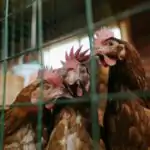
- Chickens: Raised for meat (poultry) and eggs, often kept in large flocks.
- Goats: Raised for meat, milk, and sometimes fur. They can graze on tough vegetation.
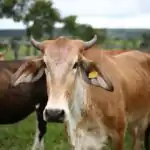
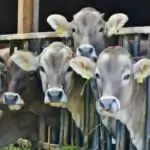
- Cattle: Raised for meat (beef), milk, and leather. Often kept in large herds.
- Pigs: reared for pork and other meat products, known for their rapid growth.
- Turkeys: Raised for meat,especially during festive seasons,and require specific care.
importance of Rearing Animals
Rearing animals is critically vital for several reasons:
- Food Production: Animals provide essential food like meat,milk,and eggs.
- Economic Benefits: Rearing animals provides income thru sales of products.
- Resource Utilization: Animals can use land unsuitable for crops.
- Social and Cultural Meaning: Animals play roles in traditions and social life.
- Employment Opportunities: Animal rearing creates jobs in rural communities.
- Manure Production: animal waste can be used as fertilizer for crops.
Teaching Methods
To deliver this lesson, the teacher will adopt the following methods: Discussion, Question and answer, Use of visual aids.
Instructional Procedures
To deliver this lesson, the teacher will adopt the following steps:
Step 1: Introduction (Set Induction)
Time: 5 minutes
Teaching Skill: Questioning
Teacher’s Activity: Ask pupils what they know about farms and farm animals.
Pupils’ Activity: Respond to the teacher’s questions.
Step 2: Explanation of Key Concepts
Time: 10 minutes
Teaching Skill: Explaining
Teacher’s Activity: Define agriculture and explain its connection to animal rearing. Show pictures of different farm animals.
Pupils’ Activity: Listen attentively and ask questions.
Step 3: Exhibition/guided Practice
Time: 10 minutes
Teaching Skill: Demonstrating
Teacher’s Activity: Discuss examples of animals reared in agriculture (chickens,goats,cattle). Explain the importance of each animal.
Pupils’ Activity: Participate in the discussion and identify other examples.
Step 4: Self-Reliant Practice
Time: 5 minutes
Teaching Skill: Monitoring
Teacher’s Activity: Ask pupils to list three animals reared in agriculture and explain their importance.Pupils’ Activity: Complete the task individually.
Step 5: Note-Taking
Time: 5 minutes
Teaching Skill: Guiding
teacher’s Activity: Guide pupils in taking notes on the key concepts discussed.
Pupils’ Activity: Write down vital points.
Step 6: Evaluation/Review
Time: 5 minutes
Teaching Skill: Assessing
Teacher’s Activity: Ask evaluation questions.
Pupils’ Activity: Answer the evaluation questions.
Objective-aligned checks:
- Define agriculture as a way of rearing animals.
- Identify examples of animals reared in agriculture.
Step 7: Conclusion
Time: 5 minutes
Teaching Skill: Summarizing
Teacher’s Activity: Summarize the key points about agriculture and animal rearing, emphasizing the importance of this practice in our daily lives. Assign a short homework activity.
Pupils’ Activity: Listen to the summary and note the homework assignment.
Lesson Keywords
- Agriculture – The practice of cultivating plants and rearing animals for food, fiber, and other products.
- Rearing – Raising and caring for animals.
- Livestock – Domesticated animals raised in an agricultural setting to provide commodities such as food, fiber, and labor.
- Poultry – Domesticated birds such as chickens, turkeys, ducks, and geese, raised for meat or eggs.
- Cattle – Domesticated bovine animals raised for meat (beef) or milk.
Lesson Evaluation
To evaluate the learning, the teacher asks pupils to:
- What is agriculture in the context of animal rearing?
- Name three animals commonly reared in agriculture.
- why is rearing animals important in agriculture?
- What are some benefits of raising animals?
- Can you think of other animals reared in agriculture?
Assignment/Homework
- Draw your favorite farm animal.
- write a short description of the animal and its importance.
Differentiation
- For slower learners: Provide one-on-one assistance and simplified explanations.
- For advanced learners: Encourage them to research other animals reared in agriculture and present their findings to the class.
- For visual/auditory/kinesthetic learners: Use visual aids, discussions, and hands-on activities to cater to different learning styles.
Note for Teachers
Ensure to use real-life examples and visual aids to make the lesson engaging and relatable for the pupils. Encourage active participation and provide constructive feedback.
Community Join the conversation Open discussion +