

Class: Primary 4
Term: 2nd Term
Subject: Pre-Vocational Studies
Curriculum Theme: Agricultural Science
Previous Lesson: Meaning Of Soil Fertility
Topic: Causes Of Soil Fertility Reduction: Burning
Content/Learning Area: Burning
Time Allocation: 40 minutes
performance Objectives
By the end of the lesson, pupils should be able to:
- Cognitive Domain: Explain the concept of soil fertility reduction and how burning causes it.
- Affective Domain: Appreciate the importance of maintaining soil fertility.
- Psychomotor Domain: Demonstrate how to identify areas affected by burning.
- Social Domain: discuss the effects of burning on soil fertility in groups.
Reference Materials
The following resources were used in planning this lesson:
- 9-Years Basic Education Curriculum, Abuja Educational Resource Center.
- Scheme of Work: NAPPS National Unified Scheme of Work.
- online Information from: Times agriculture – Causes of reduction in Soil Fertility and Its Management
- Relevant Textbooks.
Instructional Materials
to deliver this lesson, the teacher will use the following materials:
- Diagrams showing soil fertility levels before and after burning.
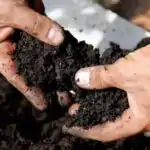
- Samples of soil from burned and unburned areas.
- Chart illustrating the effects of burning on soil nutrients.
Rationale for the Lesson
Understanding the causes of soil fertility reduction helps pupils learn how to preserve soil for farming, which is essential for food production and environmental sustainability.
Prerequisite/Previous Knowledge
Pupils have learned the meaning of soil fertility and are familiar with basic farming practices.
Lesson Content
Causes Of Soil Fertility Reduction: Burning
Soil fertility reduction means the loss of nutrients that help plants grow well. One major cause of this reduction is burning.
The following are ways burning reduces soil fertility:
- Burning Vegetation: When farmers burn grass or trees to clear land, the fire destroys nutrients in the soil, like nitrogen and organic matter. Burning of bushes, shrubs, and crop residues during land clearing for farming destroys essential soil nutrients. Burning of organic matter reduces the availability of nutrients like phosphorus, potassium, and micronutrients.
- Loss of Soil Structure: fire makes the soil hard and unable to absorb water properly. The intense heat from burning alters the physical structure of the soil, making it compacted and less porous. Burning destroys the organic matter that binds soil particles together, leading to structural degradation.
- Erosion Risk: Without nutrients, the soil becomes weak and can be washed away by rain. Burning removes the protective vegetation cover, exposing the soil to wind and water erosion.The loss of topsoil due to erosion further reduces soil fertility and productivity.
- Destruction of Soil Microorganisms: Burning kills beneficial microorganisms in the soil, such as bacteria and fungi, which are essential for nutrient cycling. The heat from burning sterilizes the soil,reducing the population of beneficial microbes.
- Increased Soil Acidity: Burning can increase soil acidity,making it challenging for plants to absorb nutrients. The ash produced from burning contains alkaline compounds that can raise the soil pH temporarily, but over time, it can lead to increased acidity.
This means that burning reduces the soil’s ability to support healthy crops.
Teaching Methods
To deliver this lesson, the teacher will adopt the following methods: Question and answer, Discussion, Description, Visual exhibition, guided discovery, Collaborative learning.
Instructional Procedures
to deliver this lesson, the teacher will adopt the following steps:
Step 1: Introduction
Time: 5 mins
Teaching Skill: Set Induction
Teacher’s Activity: Asks pupils questions about soil fertility and its importance.
pupils’ Activity: Respond to questions and share ideas.
Step 2: Concept Explanation
Time: 10 mins
Teaching Skill: Discussion
Teacher’s Activity: Explains the meaning of soil fertility reduction and its causes.Shows diagrams of burned soil.
Pupils’ Activity: Observe diagrams and listen attentively.
Step 3: Detailed Explanation
Time: 10 mins
Teaching skill: Explanation
teacher’s Activity: Explains how burning reduces soil nutrients using examples.Pupils’ Activity: Take notes and ask questions for clarification.
step 4: Note-taking
Time: 5 mins
Teaching Skill: Note preparation
Teacher’s Activity: Guides pupils to write key points in their notebooks.
Pupils’ Activity: Copy the notes neatly.
Step 5: Group Work
Time: 5 mins
Teaching Skill: Group activity
Teacher’s Activity: Organizes pupils into groups to discuss the effects of burning on soil.
pupils’ Activity: Discuss and share ideas in groups.
Step 6: evaluation/Review
Time: 3 mins
Teaching Skill: Questioning
Teacher’s Activity: Asks pupils questions based on the topic.
Pupils’ Activity: Answer questions orally.
Objective-aligned checks:
- Explain the concept of soil fertility reduction and how burning causes it.
- Demonstrate how to identify areas affected by burning.
Step 7: Conclusion
Time: 2 mins
Teaching Skill: Summary
Teacher’s Activity: Summarizes the topic and reinforces key points.
Pupils’ Activity: Listen and ask final questions if needed.
Lesson Keywords
- Soil Fertility – The ability of soil to sustain agricultural plant growth, i.e. to provide plant habitat and result in sustained and consistent yields of high quality.
- Burning – The process of combustion or intense heat that can destroy organic matter and nutrients in the soil.
- Nutrients – Substances that provide nourishment essential for growth and the maintenance of life.
- Erosion – The process by which the surface of the earth is worn away by the action of water, wind, etc.
- Vegetation – Plants considered collectively, especially those found in a particular area or habitat.
Lesson Evaluation
To evaluate the learning, the teacher asks pupils to:
- Explain the meaning of soil fertility reduction.
- List three ways burning reduces soil fertility.
- Discuss one effect of burning on soil in groups.
Assignment/Homework
- Research and write about choice methods to burning for clearing farmland.
- Explain how burning affects the environment beyond just the soil.
- List five ways to improve soil fertility after it has been affected by burning.
Differentiation
- For slower learners: provide simplified diagrams and one-on-one explanations.
- For advanced learners: Assign research on sustainable farming practices that avoid burning.
- For visual/auditory/kinesthetic learners: Use visual aids, discussions, and hands-on soil samples to cater to different learning styles.
Note for teachers
This lesson is designed to engage pupils actively while explaining the impact of burning on soil fertility. Use practical examples and visuals to make the topic relatable and easy to understand. Happy teaching!
Community Join the conversation Open discussion +