

Class: Primary 4
Term: 2nd Term
Subject: Pre-Vocational studies
Curriculum Theme: Agricultural Science
Previous Lesson: Ways Of Maintaining Soil Fertility, Fertilizer
Topic: Maintaining Soil Fertility: Mulching
Content/Learning Area: Meaning of Mulching
time allocation: 40 minutes
Performance Objectives
By the end of the lesson, pupils should be able to:
- Cognitive Domain: Define mulching and explain its importance in maintaining soil fertility.
- Affective Domain: Appreciate the role of mulching in protecting the soil and preventing erosion.
- Psychomotor Domain: Demonstrate how to apply mulching materials in a small garden or farm.
- Social Domain: Discuss the benefits of mulching in groups,sharing ideas on how it can help improve soil quality.
Reference Materials
The following resources were used in planning this lesson:
- 9 – Years Basic Education Curriculum
- Abuja Educational Resource Center scheme of work
- NAPPS National Unified Scheme of Work
- Online Information from: RHS – Mulches and mulching
- Relevant Textbooks
Instructional Materials
To deliver this lesson,the teacher will use the following materials:
- Pictures or samples of mulching materials (e.g., leaves, straw, grass)
- A small garden or plot of land for demonstration
- A whiteboard and markers
- pre-recorded video or images showing mulching techniques
Rationale for the Lesson
Understanding mulching is essential for maintaining soil fertility. Mulching helps in retaining moisture, controlling weeds, and preventing erosion, which are critical for healthy plant growth.By learning about mulching, pupils can apply these techniques in gardening or farming, contributing to better crop yield and environmental conservation.
Prerequisite/Previous Knowledge
Pupils should already know basic concepts of soil fertility and how it affects plant growth. They might have also encountered fertilizers as one of the methods to maintain soil fertility.
Lesson Content
Maintaining Soil Fertility: mulching
Mulching is a method of covering the soil with materials that help maintain soil fertility. It helps to keep the soil moist,prevent weed growth,and improve the overall health of the soil.
Mulching materials and their applications:
Mulching materials are diverse, each offering unique benefits for soil health and plant growth. The following are examples of mulching materials and their applications:
- Grass: Used to cover the soil and prevent weed growth. It also retains moisture and decomposes over time to add nutrients to the soil.
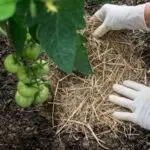
- Straw: Acts as an insulator,keeping the soil warm during cold weather and cool during hot weather. It is great for moisture retention.
- leaves: Fallen leaves can be used as mulch to provide nutrients to the soil as they decompose. They are also great at retaining moisture.
- Wood Chips: Often used in gardens, these help to suppress weeds and improve soil structure.
- Plastic Sheets: Sometimes used in larger farming areas,plastic mulches prevent weed growth and conserve moisture.
- Cocoa pod husks: Readily available in cocoa-producing areas, these husks decompose slowly, enriching the soil with nutrients and improving its structure.
- Rice Husks: Commonly used in rice-growing regions, rice husks help to improve soil drainage and aeration while suppressing weed growth.
Teaching Methods
To deliver this lesson, the teacher will adopt the following methods: Discussion, Clarification, Visual Aids, demonstration, Group Work, Practical activity.
Instructional Procedures
To deliver this lesson, the teacher will adopt the following steps:
Step 1: Introduction
Time: 5 min
Teaching Skill: Set Induction
Teacher’s Activity: Start by asking, “Why is it significant to keep soil healthy?”
Pupils’ Activity: Pupils will listen and answer questions.
Step 2: Explaining Mulching
Time: 10 min
Teaching Skill: Direct Instruction
teacher’s Activity: Introduce mulching and explain its meaning.
Pupils’ Activity: Pupils will listen and take notes.
Step 3: Discussing Mulching Materials
Time: 8 min
Teaching Skill: Demonstration/Explanation
Teacher’s Activity: Show examples of mulching materials like leaves, straw, and grass.
Pupils’ Activity: Pupils will observe and ask questions.
Step 4: Request in the Garden
Time: 7 min
Teaching Skill: Practical Activity
Teacher’s Activity: Demonstrate how to apply mulch to soil in the garden.
Pupils’ Activity: Pupils will practice applying mulch in a small area.
Step 5: Group Discussion
Time: 5 min
Teaching Skill: Group Work
Teacher’s Activity: Let pupils discuss the benefits of mulching in small groups.
Pupils’ Activity: pupils will discuss in groups and share ideas.
Step 6: Note-Taking
Time: 3 min
Teaching Skill: self-reliant Work
Teacher’s Activity: Give time for pupils to write down key points.
Pupils’ Activity: pupils will write down the lesson content.
Step 7: Evaluation/Review
Time: 2 min
Teaching Skill: Review and Recap
Teacher’s Activity: Summarize the lesson and ask questions.
Pupils’ Activity: Pupils will answer and discuss the recap questions.
Objective-aligned checks:
- Define mulching and explain its importance in maintaining soil fertility.
- Demonstrate how to apply mulching materials in a small garden or farm.
Step 8: Conclusion
Time: N/A
Teaching Skill: N/A
Teacher’s Activity: Summarize mulching and its importance.
Pupils’ Activity: N/A
Lesson Keywords
- Mulching – Covering the soil with organic or inorganic materials to improve its fertility and health.
- Soil Fertility – The ability of soil to sustain plant growth by providing essential nutrients and support.
- Moisture Retention – The soil’s capacity to hold water, which is crucial for plant survival and growth.
- Weed Suppression – Preventing the growth of unwanted plants that compete with crops for resources.
- Organic Matter – Decomposed plant and animal material in the soil that improves its structure and nutrient content.
Lesson evaluation
To evaluate the learning, the teacher asks pupils to:
- define mulching.
- List at least three mulching materials.
- Explain how mulching helps maintain soil fertility.
- Discuss the benefits of using grass as mulch.
- Demonstrate how to apply mulch to soil.
Assignment/Homework
- Research and list five additional materials that can be used for mulching.
- Write a short paragraph explaining why mulching is important for farming in Nigeria.
- Observe a garden or farm near your home and identify if mulching is being practiced. Note the type of material used and its benefits.
Differentiation
- For slower learners: Provide simplified explanations and hands-on demonstrations with direct guidance. Use visual aids extensively.
- For advanced learners: encourage them to research different types of mulching materials and their specific benefits for various crops.
- For visual/auditory/kinesthetic learners: Use a combination of visual aids, verbal explanations, and practical activities to cater to different learning styles.
Note for Teachers
Make sure to use clear visual aids, such as real examples of mulching materials, to engage pupils better. Also, encourage group discussions to help pupils share their ideas and learn from each othre. Happy teaching!

Community Join the conversation Open discussion +