

Class: Primary One
Term: First Term
Subject: Basic Science and Technology
Curriculum Theme: Physical & Health Education
Previous Lesson: Moving Our Body Parts, Stepping and Hopping
Topic: Care of the Body
Content/Learning area: What is General Body Cleanliness?, General Body Cleanliness
Time Allocation: 40 minutes
Performance Objectives
By the end of the lesson, pupils should be able too:
- Cognitive Domain:
1. Explain the importance of handwashing,bathing,and toothbrushing.
2. Identify the steps involved in each process.
- Psychomotor Domain:
1.Demonstrate proper handwashing techniques.
2. Demonstrate proper toothbrushing techniques.
- Affective Domain:
1. Develop positive attitudes towards personal hygiene.
2. Appreciate the importance of cleanliness for health.
- Social Domain:
1. Share knowledge about hygiene practices with others.
Reference Materials
- 9 – Years Basic Education Curriculum
- Abuja Educational Resource Center Scheme of Work
- NAPPS national Unified Scheme of Work
- Online Details
- Relevant Textbooks
Instructional Materials
To deliver this lesson, the teacher will use the following materials:
- Whiteboard or chart
- Markers or chalk
- Pictures showing handwashing, bathing, and toothbrushing
Rationale for the Lesson
This lesson teaches essential hygiene practices that promote health and well-being. Good hygiene habits learned now will benefit pupils throughout their lives.
Prerequisite/Previous Knowledge
pupils are expected to have some basic understanding of daily routines.
Lesson Content
What is General Body Cleanliness?
Taking care of your body means practicing good hygiene habits to stay clean and healthy. This includes washing your hands, taking regular baths, and brushing your teeth. It involves taking care of your whole body.
General Body Cleanliness
General body cleanliness involves several key practices that help maintain hygiene and prevent the spread of germs. These include:
The following are examples of general body cleanliness:
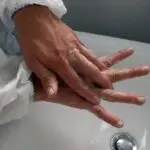
- Wash your hands: Use soap and clean water to wash your hands. This removes germs and keeps you healthy.
- Take a bath: Bathe regularly to keep your body clean and fresh.
- Brush your teeth: Brush your teeth at least twice a day with a toothbrush and toothpaste to prevent cavities and bad breath.
- Trim your nails: Regularly trim your nails to prevent dirt and germs from accumulating underneath them.
- Wear clean clothes: Change into clean clothes daily to avoid skin irritation and the spread of bacteria.
- Keep your hair clean: Wash your hair regularly to remove dirt, oil, and sweat.
Teaching Methods
To deliver this lesson, the teacher will adopt the following methods: Discussion, Demonstration, question and Answer.
Instructional Procedures
To deliver this lesson, the teacher will adopt the following steps:
Step 1: Introduction
Time: 5 minutes
Teaching Skill: Set Induction
Teacher’s Activity: Ask pupils about their morning routines, focusing on hygiene.Pupils’ Activity: Respond to teacher’s questions and share their experiences.
Step 2: explanation of Key concepts
Time: 10 minutes
teaching Skill: explaining
Teacher’s Activity: Explain the importance of handwashing,bathing,and toothbrushing.
Pupils’ activity: Listen attentively and ask clarifying questions.
Step 3: Demonstration/Guided Practice
Time: 10 minutes
Teaching Skill: Demonstrating
Teacher’s Activity: Demonstrate proper handwashing and toothbrushing techniques.
pupils’ Activity: Observe the demonstration and practice the techniques under guidance.
Step 4: Autonomous Practice
Time: 5 minutes
Teaching Skill: Monitoring
Teacher’s Activity: Supervise pupils as they practice independently.Pupils’ Activity: Practice handwashing and toothbrushing techniques independently.
Step 5: Note-Taking
Time: 5 minutes
Teaching Skill: guiding
Teacher’s Activity: Guide pupils in taking notes on key points.Pupils’ Activity: Write down key points in their notebooks.
step 6: Evaluation/Review
Time: 5 minutes
Teaching Skill: Questioning
Teacher’s Activity: Ask review questions to assess understanding.Pupils’ Activity: Answer review questions.
Objective-aligned checks:
- Explain the importance of handwashing,bathing,and toothbrushing.
- Identify the steps involved in each process.
- Demonstrate proper handwashing techniques.
Step 7: Conclusion
Time: 2 minutes
Teaching Skill: Summarizing
teacher’s Activity: Summarize the key points and emphasize the importance of daily hygiene.
Pupils’ Activity: Listen to the summary and ask any remaining questions.
Lesson Keywords
- Hygiene – Practices that maintain health and prevent the spread of disease.
- Cleanliness – The state of being free from dirt, stains, or impurities.
- Germs – Microorganisms that can cause disease.
- Handwashing – The act of cleaning one’s hands with soap and water.
- Bathing – The act of washing one’s body with water.
- Toothbrushing – The act of cleaning one’s teeth with a toothbrush and toothpaste.
Lesson Evaluation
To evaluate the learning, the teacher asks pupils to:
- What two things do you need to wash your hands properly?
- How often should you brush your teeth?
- Why is it critically important to take a bath regularly?
- Can you name other ways to keep your body clean?
- Why is it important to keep your body clean and healthy?
Assignment/Homework
- Practice proper handwashing techniques at home.
- Brush your teeth twice a day.
- Take a bath every day.
- Write down three reasons why keeping your body clean is important.
- Share what you learned today with your family.
Differentiation
- For slower learners: Provide one-on-one assistance and repeat instructions as needed.
- For advanced learners: Encourage them to research other ways to maintain good hygiene and share their findings with the class.
- For visual/auditory/kinesthetic learners: Use visual aids,verbal explanations,and hands-on activities to cater to different learning styles.
Note for Teachers
Ensure that you demonstrate each hygiene practice clearly and allow pupils ample time to practice. Encourage a positive and supportive learning environment where pupils feel comfortable asking questions.
Community Join the conversation Open discussion +