

Class: Primary One
Term: First Term
subject: Basic Science and Technology
Curriculum theme: Physical & Health education
Previous Lesson: Care of the Body, General body cleanliness
Topic: Benefits of Cleanliness
Content/Learning Area: What is cleanliness?, Some of the benefits of cleanliness
time Allocation: 40 minutes
Performance Objectives
By the end of the lesson, pupils should be able to:
- Cognitive Domain:
1. Explain what cleanliness means.
2. List some benefits of cleanliness.
- Psychomotor Domain:
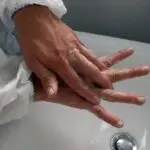
1. Demonstrate proper handwashing techniques.
2. Practice keeping their personal space clean.
- Affective Domain:
1. Appreciate the importance of cleanliness for health.
2. Develop a positive attitude towards cleanliness.
- Social Domain:
1. Cooperate in maintaining a clean classroom environment.
2. Share knowledge about cleanliness with others.
Reference Materials
- 9 – Years Basic Education Curriculum
- Abuja Educational Resource Center Scheme of Work
- NAPPS National Unified Scheme of Work
- Relevant Textbooks
instructional Materials
To deliver this lesson, the teacher will use the following materials:
- Whiteboard or chart paper
- Markers or crayons
- Pictures illustrating cleanliness and its benefits
- Handwashing exhibition materials (soap, water, basin)
rationale for the Lesson
This lesson is crucial for establishing healthy habits from a young age.understanding the benefits of cleanliness promotes better hygiene practices, leading to improved health and well-being.
Prerequisite/Previous Knowledge
pupils are familiar with basic hygiene practices like washing hands and bathing.
Lesson Content
What is Cleanliness?
Cleanliness is being free from dirt,germs,and harmful things. It means keeping ourselves and our surroundings hygienic.
Benefits of Cleanliness
Cleanliness offers numerous advantages for our health and well-being. The following are some of the benefits of cleanliness:
- Preventing diseases: Cleanliness stops germs and bacteria that make us sick from spreading.It reduces the risk of infections like diarrhea, coughs, and skin problems.
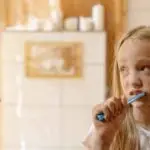
- Promoting good personal hygiene: Cleanliness includes washing hands, brushing teeth, and showering. This keeps us healthy and makes us feel good.Feeling good about ourselves is critically crucial!
- Maintaining a fresh and presentable appearance: Being clean makes us look neat and tidy, boosting our confidence and how others see us. it helps us make a good impression on others.
- Having a clean environment: A clean place is a healthy place.It makes us happier and more comfortable. It also reduces the risk of accidents and injuries.
- Improving concentration: A clean and organized environment helps us focus better on our tasks. It reduces distractions and promotes productivity.
- Reducing stress: A clean and tidy space can have a calming effect on our minds. It helps us relax and feel more at peace.
- Conserving resources: Practicing cleanliness, such as saving water and reducing waste, helps protect our environment. It promotes sustainability and responsible living.
Teaching methods
To deliver this lesson, the teacher will adopt the following methods: Discussion, Demonstration, Question and Answer, Visual Aids
Instructional Procedures
To deliver this lesson, the teacher will adopt the following steps:
Step 1: Introduction (Set Induction)
Time: 5 minutes
Teaching Skill: Questioning
Teacher’s Activity: Ask pupils what they understand by cleanliness.
Pupils’ Activity: Respond to the teacher’s questions.
Step 2: Description of Key Concepts
Time: 10 minutes
Teaching Skill: Explaining
Teacher’s Activity: Explain the meaning of cleanliness and its importance.
Pupils’ Activity: Listen attentively and ask clarifying questions.
Step 3: Demonstration/Guided Practice
time: 10 minutes
Teaching Skill: Demonstrating
Teacher’s Activity: Demonstrate proper handwashing techniques.
Pupils’ activity: Observe the demonstration and practice handwashing.
Step 4: Self-reliant practice
Time: 5 minutes
Teaching Skill: Monitoring
Teacher’s Activity: Supervise pupils as they practice keeping their desks clean.
Pupils’ Activity: Clean their desks and surrounding areas.
Step 5: Note-Taking
Time: 5 minutes
Teaching Skill: guiding
Teacher’s Activity: Guide pupils in writing down key points about cleanliness.
Pupils’ Activity: Write down notes in their notebooks.
Step 6: Evaluation/Review
Time: 5 minutes
Teaching Skill: Questioning
Teacher’s Activity: Ask review questions to assess understanding.Pupils’ Activity: Answer the review questions.
Objective-aligned checks:
- Explain what cleanliness means.
- List some benefits of cleanliness.
- Demonstrate proper handwashing techniques.
Step 7: Conclusion
Time: 2 minutes
Teaching Skill: Summarizing
Teacher’s Activity: Summarize the key points about cleanliness and its benefits.
Pupils’ Activity: Listen to the summary and ask any remaining questions.
Lesson Keywords
- Cleanliness – Being free from dirt, germs, and harmful things.
- Hygiene – Practices that maintain health and prevent the spread of diseases.
- Germs – Tiny organisms that can cause illness.
- Bacteria – Microscopic living organisms, some of which can cause disease.
- Environment – The surroundings or conditions in which a person,animal,or plant lives or operates.
Lesson evaluation
To evaluate the learning, the teacher asks pupils to:
- Why is cleanliness important for our health?
- What are some ways we can practice cleanliness?
- can you name some benefits of having a clean environment?
- Why is it important to wash our hands before eating?
- What are some things we can do to keep our bodies clean?
Assignment/Homework
- List five ways you can keep your home clean.
- Explain why it is important to brush your teeth every day.
- Draw a picture showing how you can keep your school environment clean.
Differentiation
- For slower learners: provide one-on-one assistance and use simpler language.
- for advanced learners: Encourage them to research additional benefits of cleanliness and present their findings to the class.
- For visual/auditory/kinesthetic learners: use visual aids, demonstrations, and hands-on activities to cater to different learning styles.
Note for Teachers
Ensure to use real-life examples and demonstrations to make the lesson engaging and relatable for the pupils. Emphasize the importance of practicing cleanliness as a daily habit.

Community Join the conversation Open discussion +