

Note for teachers using this lesson plan
Dear teacher, this lesson plan focuses on introducing Primary 1 pupils to the basic concept of First Aid and how to recognise a First Aid box. Ensure you have a clean, well-stocked first aid box and its contents on display for practical demonstration. Emphasise the importance of calling a responsible adult in any emergency, rather than attempting to handle serious injuries themselves. By the end of the lesson, pupils should be able to explain what first aid means and identify a first aid box.
Class: Primary 1
Term: Third Term
Week: 7
Age: 6 years
Duration: 45 minutes
Subject: Physical & Health Education
Curriculum Theme: Safety and Emergency Preparedness
Focal competence: Identifying the contents of a first aid box and their uses
Key competencies/values: Respect
Skills:
- Identification of first aid box and the contents
Previous Lesson: Nail and Hair Care, Benefits of Body Cleanliness
Topic: First Aid
Subject Matter: Meaning of first aid, recognition of a first aid box
Specific Objectives
By the end of the lesson, pupils/students should be able to:
Cognitive Domain
- Explain the meaning of first aid.
- Recognise a first aid box.
Reference Materials
The following resources were used in planning this lesson:
- 2025 Revised 9 Years Basic Education Curriculum
- Relevant State Unified Scheme of Work
- Primary Physical and Health Education Textbook for Primary 1
- The HeadTeacher Scheme of work
Instructional Materials
The teacher will teach this lesson with the aid of:
- A first aid box
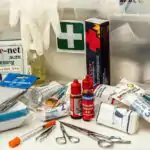
- Materials in a first aid box (e.g., methylated spirit, iodine, cotton wool, hand gloves, scissors, bandages, plasters, bowl)
- First-aid box and safe sample contents
- First-aid picture cards
Rationale for the Lesson
This lesson is important because it introduces young pupils to basic safety measures. Understanding first aid helps them know what to do in minor injury situations and the critical role of adults in emergencies. It builds a foundation for personal safety and quick response.
Prerequisite/Previous Knowledge
Pupils should have a basic understanding of common injuries like cuts and bruises and the importance of being careful to avoid accidents.
Lesson Content/Board Summary
First Aid
Meaning of First Aid
First aid is the immediate help given to someone who is injured or sick, before a doctor or nurse arrives. It is the first help we give to make someone feel better quickly.
Recognising a First Aid Box
A first aid box is a special container where we keep things needed for first aid. It is usually a white box with a green cross sign on it. This sign tells us it contains items for helping people who are hurt.
When First Aid May Be Needed
First aid is needed for small problems like:
- Small cuts or scratches.
- Minor bruises.
- Small burns that are not serious.
- Nosebleeds.
What to Do When Someone Needs First Aid
- Always tell a responsible adult (like your teacher or parent) if someone is hurt.
- An adult will know how to give the right first aid or call for more help.
What Children Should Not Do
When an injury is serious, children should not try to:
- Touch the injured person without an adult.
- Give medicine to anyone.
- Try to fix a serious injury by themselves.
Teaching Methods/Instructional Techniques
Discussion, Demonstration, Question and Answer, Explanation, Observation
Instructional Procedures
Step 1: Introduction
Time: 5 minutes
Teaching Skill: Questioning
Teacher’s Activity: The teacher greets the pupils and asks them if they have ever seen someone get a small cut or fall down. The teacher asks what they did or saw an adult do to help.
Pupils’ Activity: Pupils respond to the questions, sharing their experiences.
Learning Point: Recalling injury experiences
Step 2: Meaning of First Aid
Time: 8 minutes
Teaching Skill: Explanation
Teacher’s Activity: The teacher explains in simple terms what first aid means, using examples of immediate help for small injuries. “First aid is the first help we give to someone who is hurt or sick before a doctor comes.”
Pupils’ Activity: Pupils listen attentively and repeat the meaning of first aid.
Learning Point: Meaning of first aid
Step 3: When First Aid is Needed
Time: 7 minutes
Teaching Skill: Discussion
Teacher’s Activity: The teacher discusses minor situations where first aid might be needed, such as small cuts, bruises, or nosebleeds. The teacher uses picture cards to illustrate these situations.
Pupils’ Activity: Pupils identify situations from the picture cards and mention when first aid may be needed.
Learning Point: Minor injury situations
Step 4: Recognising a First Aid Box
Time: 7 minutes
Teaching Skill: Demonstration
Teacher’s Activity: The teacher displays a first aid box and asks pupils to identify it. The teacher points out its features (e.g., white box, green cross) and explains its purpose.
Pupils’ Activity: Pupils identify the first aid box and describe its appearance.
Learning Point: First aid box recognition
Step 5: Contents of a First Aid Box
Time: 6 minutes
Teaching Skill: Observation
Teacher’s Activity: The teacher briefly shows some safe, simple items from the first aid box (e.g., plaster, cotton wool, bandage) and explains their general use in very simple terms, without allowing pupils to touch them.
Pupils’ Activity: Pupils observe the items and listen to their uses.
Learning Point: Basic first aid contents
Step 6: What to Do and Not Do
Time: 5 minutes
Teaching Skill: Instruction
Teacher’s Activity: The teacher emphasises the importance of calling a responsible adult (teacher, parent) when someone is hurt and explains what children should not attempt to do, especially with serious injuries.
Pupils’ Activity: Pupils listen and state what they should do and not do.
Learning Point: Adult help importance
Step 7: Evaluation/Review
Time: 5 minutes
Teaching Skill: Questioning/Assessment
Teacher’s Activity: The teacher evaluates the learning by asking the following questions:
- What is first aid?
- How do you recognise a first aid box?
- What should you do if someone gets hurt?
Pupils’ Activity: Pupils answer orally and in writing.
Learning Point: First aid understanding
Step 8: Note-Taking
Time: 4 minutes
Teaching Skill: Guided Writing
Teacher’s Activity: The teacher guides pupils to copy the essential Board Summary notes on the meaning of first aid and recognising a first aid box into their notebooks.
Pupils’ Activity: Pupils copy the notes carefully into their notebooks.
Learning Point: Recording lesson notes
Step 9: Conclusion
Time: 3 minutes
Teaching Skill: Reinforcement
Teacher’s Activity: The teacher summarises the lesson by reminding pupils that first aid is immediate help and that they should always call an adult if someone gets hurt. The teacher praises them for their participation.
Pupils’ Activity: Pupils listen and affirm their understanding.
Learning Point: First aid summary
Continuous Assessment/Further Study
Type: Homework
Instruction: Draw a first aid box and list two items you might find inside it.
- Draw a first aid box in your notebook.
- Write down the names of two things you can find inside a first aid box.
Lesson Keywords
- First Aid – Immediate help given to an injured or sick person.
- First Aid Box – A container holding items for first aid.
- Injury – Harm or damage to a person’s body.
- Adult – A grown-up person.
- Help – To assist someone.
Differentiation
For weaker learners, the teacher will provide more visual aids and repeat explanations, focusing on recognising the first aid box and the simple rule of “tell an adult.” Faster learners can be asked to name more items found in a first aid box or describe a situation where first aid was needed in more detail.
Suggested Lesson Videos
For a video on “First Aid for Kids Primary 1” on YouTube, search for: https://www.youtube.com/results?search_query=first+aid+for+kids+primary+1+nigeria
Teacher Guide for Using This Lesson Plan
Before the lesson, ensure you have a clean and visible first aid box, along with a few safe sample contents (e.g., clean bandages, plasters, cotton wool) and relevant picture cards. Begin by engaging pupils with questions about minor injuries. Explain first aid in simple, age-appropriate language, emphasising that it’s “first help.” When demonstrating the first aid box, allow pupils to observe its appearance and the green cross symbol. Stress the importance of always informing a responsible adult if an injury occurs, and clearly state what children should not attempt. Guide pupils to copy the Board Summary notes after the main teaching points have been discussed and understood. Regularly check for understanding through questions and encourage participation. For pupils who struggle, use more hands-on demonstration and repetition. For those who grasp concepts quickly, challenge them to think about different scenarios or name more first aid items.
Community Join the conversation Open discussion +