

Class: Primary one
Term: Third Term
Subject: Basic Science and Technology
curriculum Theme: Physical & Health Education
Previous Lesson: Meaning and Causes of Accidents
Topic: Safety
Content/Learning Area: What is Safety?, Avoiding Harmful and Sharp Objects
Time Allocation: 40 minutes
Performance Objectives
By the end of the lesson, pupils should be able to:
- Cognitive Domain:
1. Discuss the dangers of playing with harmful objects.2. Identify examples of harmful and sharp objects.
3. Understand the importance of avoiding harmful and sharp objects.
- Psychomotor Domain:
1. Demonstrate safe handling of objects.
- Affective Domain:
1. Show awareness of potential dangers.
2. Develop a sense of duty for their safety.
- Social Domain:
1. Ask for help when needed.
Reference Materials
- 9 – Years Basic Education Curriculum
- Abuja Educational Resource Center Scheme of Work
- NAPPS National Unified Scheme of Work
- Relevant Textbooks
Instructional Materials
To deliver this lesson, the teacher will use the following materials:
- Pictures of harmful and sharp objects
- Whiteboard or chart paper
- Markers
Rationale for the Lesson
Understanding safety is crucial for children’s well-being. This lesson teaches them to identify and avoid potential hazards, preventing injuries and promoting responsible behavior.
Prerequisite/Previous Knowledge
The teacher will start by asking pupils what they think safety means and what they know about dangerous objects. A brief discussion will follow, leading into the lesson’s topic.
Lesson Content
What is Safety?
Safety means protecting ourselves from harm.it’s about being aware of things that could hurt us and doing things to stay safe.
Avoiding Harmful and Sharp Objects
Manny things around us can be dangerous if we aren’t careful. These are called harmful and sharp objects.
Examples of harmful and Sharp Objects
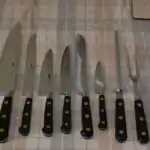
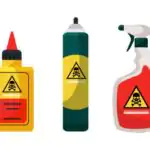
Harmful and sharp objects can cause injuries if not handled properly. Examples are:
- Kitchen knives
- Nails and screws
- Scissors
- Sewing needles or pins
- Razor blades
- Broken glass objects
- Metal forks
- Gardening tools with sharp edges or blades
- Electrical outlets
- Cleaning chemicals
Why Avoid Playing with These Objects?
These objects can cause cuts, punctures, or other injuries. Always ask a grown-up for help if you need to use them.
Teaching Methods
to deliver this lesson, the teacher will adopt the following methods: Discussion, Question and Answer, and Presentation.
Instructional Procedures
To deliver this lesson, the teacher will adopt the following steps:
Step 1: Introduction
Time: 5 minutes
Teaching skill: Set Induction
Teacher’s Activity: Asks pupils what they understand by safety and what dangerous objects they know.
Pupils’ Activity: Respond to the teacher’s questions.
Step 2: Description of Key Concepts
Time: 10 minutes
Teaching Skill: Explaining
Teacher’s Activity: Explains the concept of safety and shows pictures of harmful objects.
Pupils’ Activity: Listen attentively and participate in discussions.
Step 3: Demonstration/Guided Practice
Time: 10 minutes
Teaching Skill: Demonstrating
Teacher’s Activity: Demonstrates safe handling of objects and asks pupils to identify safe and unsafe actions.
Pupils’ Activity: Observe the demonstration and participate in the activity.
step 4: Self-Reliant Practice
Time: 5 minutes
Teaching Skill: Monitoring
Teacher’s Activity: Guides pupils as they identify harmful objects in pictures.
Pupils’ activity: Identify harmful objects in pictures.
Step 5: Note-taking
time: 5 minutes
Teaching Skill: Note-taking
Teacher’s Activity: Guides pupils in taking notes on key concepts.
Pupils’ Activity: Take notes on key concepts.
Step 6: Evaluation/Review
Time: 5 minutes
Teaching Skill: Questioning
Teacher’s Activity: Asks evaluation questions.
Pupils’ Activity: Answer the evaluation questions.
Objective-aligned checks:
- Identify examples of harmful and sharp objects.
- Demonstrate safe handling of objects.
- Show awareness of potential dangers.
step 7: Conclusion
Time: 2 minutes
Teaching Skill: Summarizing
Teacher’s Activity: Summarizes the key points about safety and avoiding harmful objects.
Pupils’ Activity: Listen attentively.
lesson Keywords
- Safety – Protecting ourselves from harm.
- harmful Objects – Things that can cause injury.
- Sharp Objects – Objects with a pointed or cutting edge.
- Injury – physical damage to the body.
Lesson Evaluation
To evaluate the learning, the teacher asks pupils to:
- What are some examples of harmful objects?
- Why is it significant to avoid playing with sharp objects?
- What should you do if you need to use a sharp object?
- Can you think of any other ways to stay safe?
Assignment/Homework
- Draw three harmful objects you can find at home.
- Ask your parents about safety rules at home and write them down.
Differentiation
- For slower learners: Provide one-on-one assistance and use simpler language.
- For advanced learners: Encourage them to brainstorm additional safety measures.
- For visual/auditory/kinesthetic learners: Use pictures,demonstrations,and hands-on activities to reinforce learning.
Note for Teachers
Ensure to use real-life examples and relatable scenarios to make the lesson engaging and practical for the pupils.Emphasize the importance of seeking adult supervision when dealing with potentially dangerous objects.


Community Join the conversation Open discussion +