

class: Primary One
Term: Third Term
Subject: Basic Science and Technology
Curriculum Theme: Physical & Health Education
Previous Lesson:
Topic: First Aid
Content/Learning area: What is First Aid?,Why is First Aid Crucial?,Steps of First Aid
Time Allocation: 40 minutes
Performance Objectives
By the end of the lesson,pupils should be able to:
- Cognitive Domain:
1. Define first aid.
2.Explain the importance of first aid.
3. List the steps involved in providing first aid.
- Psychomotor Domain:
1. Demonstrate basic first aid procedures (e.g., cleaning a wound).
- Affective Domain:
1. Show empathy and concern for injured or ill individuals.
2. Develop a sense of responsibility in helping others.
- Social Domain:
1. Work cooperatively with others in first aid situations.
Reference Materials
- 9 – years basic Education Curriculum
- Abuja Educational Resource Center Scheme of Work
- NAPPS National Unified Scheme of work
- Online details
- Relevant Textbooks
Instructional Materials
To deliver this lesson, the teacher will use the following materials:
- Whiteboard or chart
- markers or pens
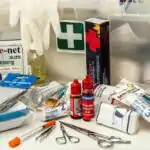
- Pictures or illustrations of first aid procedures
Rationale for the Lesson
This lesson is crucial as it equips pupils with life-saving skills. Understanding first aid can help them respond effectively in emergencies and potentially save lives.
Prerequisite/Previous Knowledge
The teacher will begin by asking pupils if they have ever seen someone get hurt. The teacher will then ask what they think should be done to help. This will lead into a discussion about the importance of knowing first aid.
Lesson Content
What is First Aid?
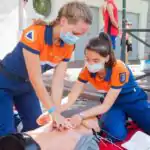
First aid is the immediate care given to someone who is injured or suddenly becomes ill before they receive professional medical treatment. It involves simple procedures to prevent the condition from worsening or to help recovery.
Why is First Aid Critically Important?
First aid is critically important for several reasons. These include:
- Save Lives: Rapid first aid can stop serious injuries from getting worse.
- Reduce Pain: immediate care can definitely help reduce pain.
- prevent Problems: Proper first aid can stop infections and other problems.
- Help Recovery: Early treatment can help people get better faster.
- Minimize Long-Term Damage: Prompt action can reduce the severity of injuries and prevent long-term complications.
- Provide Comfort: Offering reassurance and support can definitely help calm and comfort the injured person.
Steps of First Aid
The steps of first aid are essential to follow to provide effective assistance. They are:
- Check the Situation: Before helping, make sure it is indeed safe for you and the injured person.
- Give Help: Provide the right first aid based on the injury or illness.
- Get More Help: After giving first aid, call for a doctor or emergency help if needed.
- Reassure the Person: Keep the injured person calm and provide emotional support.
- Monitor the Person: Watch for any changes in the person’s condition and be prepared to provide additional assistance.
Teaching methods
To deliver this lesson, the teacher will adopt the following methods: Discussion,Question and answer,Exhibition.
Instructional Procedures
To deliver this lesson, the teacher will adopt the following steps:
Step 1: Introduction
time: 5 minutes
Teaching Skill: Set Induction
Teacher’s Activity: Ask pupils about their prior knowledge of first aid.
Pupils’ Activity: Respond to the teacher’s questions.
Step 2: Explanation of Key Concepts
time: 10 minutes
Teaching Skill: Explaining
Teacher’s Activity: Explain what first aid is and its importance.
Pupils’ Activity: Listen attentively and take notes.
Step 3: Demonstration/Guided Practice
Time: 10 minutes
Teaching Skill: Demonstrating
Teacher’s Activity: Demonstrate basic first aid procedures.
Pupils’ Activity: Observe the demonstration and ask questions.
Step 4: Independant Practice
Time: 5 minutes
Teaching Skill: Monitoring
Teacher’s Activity: Supervise pupils as they practice first aid techniques.Pupils’ Activity: Practice first aid techniques.
Step 5: Note-Taking
Time: 5 minutes
Teaching Skill: Guiding
Teacher’s Activity: Guide pupils in taking notes on key concepts.
Pupils’ Activity: Take notes on key concepts.
Step 6: Evaluation/Review
Time: 5 minutes
teaching skill: Questioning
Teacher’s Activity: Ask questions to assess pupils’ understanding.Pupils’ Activity: Answer the teacher’s questions.
Objective-aligned checks:
- Define first aid.
- Explain the importance of first aid.
- List the steps involved in providing first aid.
Step 7: Conclusion
Time: 5 minutes
teaching skill: Summarizing
Teacher’s Activity: Summarize the key points and encourage pupils to practice the first aid techniques they have learned. Emphasize the importance of seeking professional medical help when needed.
Pupils’ Activity: Listen to the summary and ask any remaining questions.
Lesson keywords
- First Aid – Immediate care given to an injured or ill person.
- Emergency – A serious, unexpected, and often hazardous situation requiring immediate action.
- wound – An injury to living tissue caused by a cut, blow, or other impact, typically one in which the skin is cut or broken.
- Bleeding – the loss of blood from the body.
- Safety – The condition of being protected from or unlikely to cause danger, risk, or injury.
Lesson Evaluation
To evaluate the learning,the teacher asks pupils to:
- What is first aid?
- Why is it critically important to know first aid?
- What are the three main steps in providing first aid?
- What should you do if someone is bleeding heavily?
Assignment/Homework
- Research and write down three additional first aid tips.
- Ask your parents or guardians about a time they used first aid and write a short paragraph about it.
- Draw a picture showing one of the first aid steps you learned in class.
Differentiation
- For slower learners: Provide one-on-one assistance and use simpler language.
- For advanced learners: Encourage them to research additional first aid techniques.
- For visual/auditory/kinesthetic learners: Use visual aids, verbal explanations, and hands-on activities to cater to different learning styles.
note for Teachers
Ensure to create a supportive and interactive learning environment where pupils feel pleasant asking questions and practicing first aid techniques. Emphasize the importance of safety and seeking professional medical help when needed.

Community 3 comments Open discussion +