

Class: Primary One
Term: First Term
Subject: Pre-vocational Studies
curriculum Theme: Home economics
Previous Lesson: The Human Body, Neck, Trunk, Chest and Belly
Topic: Daily Care of The Body
Content/Learning Area: What is Daily Care of the Body, Methods of Taking Care of the Body, Materials Used for the Care of the Body
Time Allocation: 40 minutes
Performance Objectives
By the end of the lesson, pupils should be able to:
- Cognitive Domain:
1. List two methods of taking care of the body.
2. List three materials used for the care of the body.
3. explain the importance of daily body care.
- Affective Domain:
1. Appreciate the importance of personal hygiene.
2. Develop positive attitudes towards daily body care.
- Psychomotor Domain:
1. Demonstrate proper handwashing techniques.
2. Show correct brushing techniques.
- Social Domain:
1. Share knowledge about body care with peers.
Reference Materials
- 9 – Years Basic Education Curriculum
- Abuja Educational Resource Centre Scheme of work
- NAPPS National Unified Scheme of Work
- Relevant Textbooks
Instructional materials
To deliver this lesson, the teacher will employ the help of the following materials:
- Whiteboard or chart
- Markers or chalk
- Pictures of hygiene practices
- Real-life examples of materials used for body care (soap, toothbrush, toothpaste, towel)
Rationale for the Lesson
this lesson teaches pupils the importance of personal hygiene for their health and well-being. Good hygiene habits learned now will benefit them throughout their lives.
Prerequisite/Previous knowledge
The teacher will start by asking pupils what they do every morning to get ready for school. This will lead into a discussion about keeping clean and healthy.
Lesson Content
What is Daily Care of The Body?
Daily body care involves regular practices to keep our bodies clean, healthy, and working well. These habits are crucial for our overall health and help prevent sickness.
Methods of Taking Care of the Body
Daily body care involves several meaningful methods that help maintain cleanliness and health. These include:
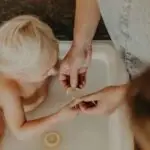
- Bathing regularly: Bathing removes dirt, sweat, and germs, keeping us fresh and clean.
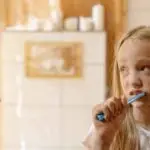
- Brushing teeth twice a day: This removes food and plaque, preventing cavities and gum disease. learn more about caring for your teeth!
- Washing our hands frequently: This prevents the spread of germs, especially after using the bathroom, before eating, and after touching animals.
- Cutting our nails regularly: This prevents the accumulation of dirt and germs under the nails,reducing the risk of infection.
- Wearing clean clothes: Clean clothes help prevent skin irritation and the spread of germs.
- Exercise regularly: Exercise keeps our bodies strong and healthy,improves our mood,and reduces stress.
- Eat a balanced diet: A balanced diet gives our bodies the nutrients they need. Learn about foods from animals! Learn more about eating good food!
Materials Used for the Care of the Body
There are several materials that are essential for maintaining daily body care. These include:
- Soap: Cleanses the skin.
- Toothpaste: Removes plaque and bacteria from teeth.
- Toothbrush: Used with toothpaste to clean teeth.
- Towels: Used to dry after bathing.
- Shampoo: Cleans hair.
- Nail clippers: Used to trim nails.
- Hand sanitizer: Used to clean hands when soap and water are not available.
Teaching Methods
to deliver this lesson, the teacher will adopt the following methods: Discussion, Question and answer, Presentation, practical activity.
Instructional Procedures
To deliver this lesson, the teacher will adopt the following steps:
step 1: Introduction (Set Induction)
Time: 5 minutes
Teaching Skill: Questioning
Teacher’s Activity: Asks pupils what they do to get ready for school in the morning.
Pupils’ Activity: Respond to the teacher’s questions.
Step 2: Clarification of Key Concepts
Time: 10 minutes
Teaching Skill: Explaining
Teacher’s Activity: Explains the meaning of daily body care and its importance.
Pupils’ Activity: Listen attentively and ask questions.
Step 3: Demonstration/Guided Practice
Time: 10 minutes
Teaching Skill: Demonstrating
Teacher’s Activity: Demonstrates proper handwashing and toothbrushing techniques.
Pupils’ Activity: Observe the demonstration and practice the techniques.
Step 4: Self-Reliant practice
Time: 5 minutes
Teaching Skill: Monitoring
Teacher’s Activity: Supervises pupils as they practice handwashing and toothbrushing.
Pupils’ Activity: Practice handwashing and toothbrushing independently.
step 5: Note-Taking
Time: 5 minutes
Teaching Skill: Guiding
Teacher’s Activity: Guides pupils in taking notes on key concepts and methods.
Pupils’ Activity: Take notes on key concepts and methods.
Step 6: Evaluation/Review
Time: 5 minutes
Teaching Skill: Questioning
Teacher’s Activity: Asks evaluation questions to assess understanding.Pupils’ Activity: Answer the evaluation questions.
Objective-aligned checks:
- List two methods of taking care of the body.
- List three materials used for the care of the body.
- explain the importance of daily body care.
step 7: Conclusion
Time: 2 minutes
Teaching Skill: Summarizing
Teacher’s Activity: Summarizes the key points of the lesson.pupils’ Activity: Listen to the summary and ask any remaining questions.
Lesson Keywords
- Hygiene – Practices that maintain health and prevent the spread of disease.
- germs – Microorganisms that can cause illness.
- Plaque – A sticky film of bacteria that forms on teeth.
- Cavities – Holes in the teeth caused by decay.
- Balanced diet – Eating the right kinds of food in the right amounts.
lesson Evaluation
To evaluate the learning, the teacher asks pupils to:
- Why is it important to take care of our bodies?
- Name two ways to take care of your body.
- Name three things we use to care for our bodies.
- What are some other ways to keep our bodies healthy?
- Why should we wash our hands often?
Assignment/Homework
- List five materials used for daily body care.
- Describe the steps for proper handwashing.
- Explain why brushing teeth is important.
Differentiation
- For slower learners: Provide one-on-one assistance and use simpler language.
- For advanced learners: Encourage them to research additional methods of body care.
- For visual/auditory/kinesthetic learners: Use pictures, demonstrations, and hands-on activities to reinforce learning.
Note for Teachers
Ensure that all materials for demonstration are available. Supervise pupils closely during practical activities to ensure they follow proper techniques. Encourage pupils to ask questions and share their experiences.


Community Join the conversation Open discussion +