

Note for teachers using this lesson plan
This lesson focuses on teaching Primary 1 pupils essential personal hygiene practices for their nails and hair, and the overall benefits of keeping their bodies clean. Ensure you have visual aids like pictures, a clean nail cutter, and a comb to demonstrate proper care. Emphasise the importance of adult supervision for nail cutting and avoiding the sharing of personal grooming items to prevent the spread of germs. By the end of the lesson, pupils should be able to describe and practice basic nail and hair care, understanding why body cleanliness is important for their health.
Class: Primary 1
Term: Third Term
Week: 6
Age: 6 years
Duration: 45 minutes
Subject: Physical & Health Education
Curriculum Theme: Health and Wellness
Focal competence: Practising habits that promote personal well-being, prevent illness and support a healthy lifestyle
Skills:
- Maintaining general body cleanliness through bathing, teeth brushing, cutting of nails and hair care
Previous Lesson: Brushing the teeth and benefits of oral cleanliness
Topic: Health And Hygiene: Nail And Hair Care
Subject Matter: Cutting/cleaning nails, caring for hair, benefits of body cleanliness
Specific Objectives
By the end of the lesson, pupils/students should be able to:
Cognitive Domain
- Describe how to care for the nails.
- Describe how to care for the hair.
- State benefits of general body cleanliness.
Psychomotor Domain
- Demonstrate general body cleanliness.
Social Domain
- Observe general body cleanliness properly.
Reference Materials
The following resources were used in planning this lesson:
- 2025 Revised 9 Years Basic Education Curriculum
- Relevant State Unified Scheme of Work
- Physical and Health Education for Primary Schools, Book 1
- The HeadTeacher Scheme of work
Instructional Materials
The teacher will teach this lesson with the aid of:
- Pictures showing clean and dirty nails/hair
- Nail cutter (for demonstration with adult guidance)
- Comb
- Soap and water
- Hair cream
- Body cream
- Cones or safe markers (for activity)
- Whistle where appropriate
Rationale for the Lesson
This lesson is important because it teaches young pupils fundamental personal hygiene practices that are essential for their health and well-being. Understanding how to care for nails and hair helps prevent the spread of germs and various infections. It also lays the foundation for developing lifelong healthy habits that contribute to a clean and confident appearance.
Prerequisite/Previous Knowledge
Pupils are expected to have basic knowledge of body parts and the general idea of keeping clean through bathing.
Lesson Content/Board Summary
Health And Hygiene: Nail And Hair Care
Care for the Nails
Nails are parts of our body that need to be kept clean and short. This helps to stop germs from hiding under them and making us sick.
- Keep fingernails and toenails clean.
- Keep fingernails and toenails short.
- Cut nails carefully with a nail cutter. An adult should help you.
- Do not bite your nails.
- Do not share your nail cutter with others.
Care for the Hair
Our hair also needs good care to stay clean and healthy. Dirty hair can make our head itch and look untidy.
- Wash your hair regularly with soap or shampoo.
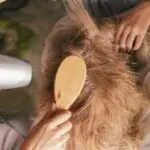
- Comb your hair neatly every day.
- Apply hair cream or oil to keep it soft and healthy.
- Do not share your comb or hairbrush with others.
Benefits of Body Cleanliness
Keeping our body, nails, and hair clean has many good benefits:
- It makes us look neat and smart.
- It helps us to smell fresh.
- It prevents germs from making us sick.
- It makes us feel happy and confident.
- It helps our skin and hair to be healthy.
When an Adult Should Help
Sometimes, we might have a problem with our nails or scalp that needs an adult’s help. Look out for these signs:
- If your nails or scalp are red and painful.
- If there is pus around your nails.
- If your scalp is very itchy or has sores.
Teaching Methods/Instructional Techniques
Discussion, Demonstration, Guided Practice, Question and Answer, Explanation, Observation, Practical Activity.
Instructional Procedures
Step 1: Introduction
Time: 5 minutes
Teaching Skill: Storytelling/Questioning
Teacher’s Activity: The teacher greets the pupils and asks them to show their hands. The teacher then asks, “Who can tell me why it is good to keep our hands clean?” The teacher introduces the topic of nail and hair care.
Pupils’ Activity: Pupils show their hands and respond to the question. They listen to the teacher.
Learning Point: Importance of hygiene
Step 2: Explaining Nail Care
Time: 8 minutes
Teaching Skill: Explanation/Visual Aid
Teacher’s Activity: The teacher displays pictures of clean and dirty nails. The teacher explains why it is important to keep nails short and clean, and how germs can hide under long nails. The teacher describes the steps for proper nail care.
Pupils’ Activity: Pupils observe the pictures and listen to the explanation. They repeat the steps for nail care.
Learning Point: Steps for nail care
Step 3: Demonstrating Nail Care
Time: 7 minutes
Teaching Skill: Demonstration/Guided Practice
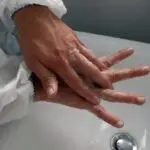
Teacher’s Activity: The teacher demonstrates how to safely cut nails using a nail cutter (emphasising adult supervision). The teacher shows how to clean under the nails with soap and water. The teacher warns against biting nails and sharing nail cutters.
Pupils’ Activity: Pupils watch the demonstration carefully. They practice cleaning their nails with their fingers (without a cutter) and discuss the dangers of biting nails.
Learning Point: Safe nail cutting
Step 4: Explaining Hair Care
Time: 7 minutes
Teaching Skill: Explanation/Discussion
Teacher’s Activity: The teacher discusses why hair needs to be washed and combed regularly. The teacher explains that dirty hair can cause itching and make one look untidy. The teacher describes the steps for proper hair care.
Pupils’ Activity: Pupils share their experiences with hair care and listen to the teacher’s explanation. They repeat the steps for hair care.
Learning Point: Steps for hair care
Step 5: Demonstrating Hair Care
Time: 6 minutes
Teaching Skill: Demonstration/Practical Activity
Teacher’s Activity: The teacher demonstrates how to comb hair neatly and apply hair cream or oil. The teacher reminds pupils not to share combs or hairbrushes.
Pupils’ Activity: Pupils observe the demonstration. They can practice combing their own hair if they have a comb, or mime the action.
Learning Point: Proper hair combing
Step 6: Benefits of Cleanliness and Adult Help
Time: 5 minutes
Teaching Skill: Question and Answer/Reinforcement
Teacher’s Activity: The teacher asks pupils to state the benefits of keeping their nails, hair, and body clean. The teacher also explains when they should ask an adult for help with nail or scalp problems.
Pupils’ Activity: Pupils state the benefits of cleanliness and listen to the advice on seeking adult help.
Learning Point: Benefits of cleanliness
Step 7: Evaluation/Review
Time: 5 minutes
Teaching Skill: Questioning/Assessment
Teacher’s Activity: The teacher evaluates the learning by asking the following questions:
- How do you care for your nails?
- What are two ways to care for your hair?
- State two benefits of keeping your body clean.
- When should you ask an adult for help with your nails or head?
Pupils’ Activity: Pupils answer orally and in writing.
Learning Point: Understanding body cleanliness
Step 8: Note-Taking
Time: 4 minutes
Teaching Skill: Guided Writing
Teacher’s Activity: The teacher guides pupils to copy the essential Board Summary notes on nail and hair care and the benefits of cleanliness into their notebooks.
Pupils’ Activity: Pupils copy the notes carefully into their notebooks.
Learning Point: Recording hygiene notes
Step 9: Conclusion
Time: 3 minutes
Teaching Skill: Consolidation
Teacher’s Activity: The teacher praises the pupils for their participation and reminds them to always practice good hygiene habits at home and in school. The teacher encourages them to share what they learned with their families.
Pupils’ Activity: Pupils listen and promise to practice good hygiene habits.
Learning Point: Reinforcing hygiene habits
Continuous Assessment/Further Study
Type: Homework
Instruction: Draw a picture of yourself with clean nails and neat hair. Write down one thing you will do every day to keep your body clean.
- Draw a picture of yourself with clean nails and neat hair.
- Write one sentence about how you will keep your nails clean.
- Write one sentence about how you will keep your hair clean.
- List two benefits of keeping your body clean.
Lesson Keywords
- Nails – Hard coverings at the end of our fingers and toes.
- Hair – The growth on our head.
- Hygiene – Keeping ourselves clean to stay healthy.
- Germs – Tiny things that can make us sick.
- Cleanliness – The state of being free from dirt or impurities.
Differentiation
For weaker learners, the teacher can provide simplified pictures and focus on identifying just one or two key practices for nail and hair care. Faster learners can be challenged to explain why sharing combs or nail cutters is dangerous and list more benefits of cleanliness.
Suggested Lesson Videos
For further visual learning, search on YouTube for: Primary 1 nail and hair care hygiene
Teacher Guide for Using This Lesson Plan
Before the lesson, gather all instructional materials, especially pictures of clean/dirty nails and hair, a clean nail cutter, and a comb. Ensure the classroom is conducive for demonstration and discussion. Begin by engaging pupils with simple questions about body cleanliness to activate prior knowledge. Guide them through the steps of nail and hair care with clear explanations and practical demonstrations, emphasizing safety and adult supervision for nail cutting. Encourage pupils to participate in discussions about the benefits of hygiene and the risks of sharing personal items. Allow time for pupils to copy the Board Summary notes after the main teaching points have been covered and understood. Conclude the lesson by reinforcing the importance of daily hygiene practices and encouraging them to apply what they have learned at home.
Community Join the conversation Open discussion +