

Class: Junior Secondary School 2 (JSS 2)
Term: First Term
Week: 4
Age: 13 years
Duration: 45 minutes
Subject: Yoruba Language (L2)
Curriculum Theme: ÒǸKÀ (Numbers) àti Kíka Owó (Reading Money)
Previous Lesson: Àśàyàn Ìwé Ìtàn Àròsô Ôlörõ Geere (L2)
Topic: ÒǸKÀ: Oókanléláàádọ́jọ́ dé Igba (151–200) àti Kíka Owó Náírà
Subject Matter: Kíka, títọ́ka sí àti lílo àwọn nọ́ńbà 151–200, pẹ̀lú kika iye owó Náírà nínú ìṣirò ojoojúmọ́.
Specific Objectives
By the end of the lesson, pupils/students should be able to:
Cognitive Domain
- Ka àwọn nọ́ńbà 151 sí 200 ní títẹ̀lé àtẹ nọ́ńbà tí olùkọ́ pèsè.
- Mọ nọ́ńbà tí ó ṣáájú àti tí ó tẹ̀lé nọ́ńbà kan láàrin 151–200.
- Ka iye owó Náírà tí a kọ sílẹ̀ ní àmi ₦.
- Ṣe ìṣirò rọrùn pẹ̀lú iye owó tí ó bá ipele JSS 2 L2 mu.
Affective Domain
- Fi ìfẹ́ hàn sí lílo èdè Yorùbá nínú nọ́ńbà àti owó ojoojúmọ́.
- Ṣe àfiyèsí sí ìtẹ̀lé nọ́ńbà àti ìṣirò tó pe.
Psychomotor Domain
- Ṣètò kaadi nọ́ńbà 151–200 sí ìtẹ̀lé.
- Yan/fi owo ìròyìn tàbí kaadi iye owó hàn fún iye tí olùkọ́ sọ.
Social Domain
- Ṣiṣẹ́ pẹ̀lú ẹlẹgbẹ́ nínú eré rira àti tita ìròyìn ní kíláàsì.
Reference Materials
- Relevant Yoruba Language L2 scheme of work for JSS 2.
- Approved Yoruba Language textbook/number chart for JSS 2.
- Teacher-prepared Naira price cards and number cards.
Instructional Materials
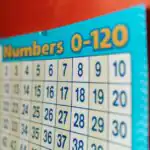
- Number chart 151–200.
- Number cards.
- Pictures/replicas of Nigerian currency or price cards; do not require pupils to bring money.
- Whiteboard and marker.
Rationale for the Lesson
Kíka nọ́ńbà àti owó jẹ́ ọgbọ́n tí a lò lojoojúmọ́. Fún Yoruba L2, ohun pàtàkì ni pé akẹ́kọ̀ọ́ lè mọ nọ́ńbà, ka a ní àtẹ̀le, sọ iye owó, kí o sì lò ó nínú ìbánisọ̀rọ̀ rira/tita.
Prerequisite/Previous Knowledge
Àwọn akẹ́kọ̀ọ́ ti kọ́ àwọn nọ́ńbà tó kéré ju 151 lọ àti àmi Náírà (₦).
Lesson Content/Board Summary
Nọ́ńbà 151–200
Lo àtẹ nọ́ńbà láti fi 151 sí 200 hàn ní ìtẹ̀lé. Kí akẹ́kọ̀ọ́ kọ́kọ́ mọ fọọmu nọ́ńbà (digits), kí wọ́n ka wọn ní títẹ̀lé, kí wọ́n sì mọ “nọ́ńbà ṣáájú” àti “nọ́ńbà lẹ́yìn.”
| 151 | 152 | 153 | 154 | 155 |
| 166 | 167 | 168 | 169 | 170 |
| 181 | 182 | 183 | 184 | 185 |
| 196 | 197 | 198 | 199 | 200 |
Fún ìpè orúkọ nọ́ńbà ní Yorùbá, olùkọ́ gbọdọ̀ lo àtẹ/ìwé L2 tí ilé-ẹ̀kọ́ fọwọ́ sí, nítorí eto ìkà Yorùbá ní àwọn àṣà ìpè tó yẹ kí a kọ́ pẹ̀lú àpẹẹrẹ tó dájú. Ẹ̀kọ́ yìí kò yẹ kí ó dá lórí ìtumọ̀ aládàáṣe tí kò tiẹ̀ dájú.
Kíka Owó Náírà
Àmi owó Nàìjíríà ni ₦. Kí akẹ́kọ̀ọ́ kọ́ bí a ṣe ń ka iye tí a kọ sílẹ̀, bíi ₦150, ₦175, ₦200, ₦500, àti bí a ṣe ń fi iye owó wé ara wọn.
Àpẹẹrẹ Iṣẹ́
- Ìwé kan jẹ́ ₦180, pencil kan jẹ́ ₦160. Èwo ni ó pọ̀ jù?
- Ọjà A jẹ́ ₦170. Bí a bá san ₦200, mélòó ni ìyókù? (₦30)
- Ṣètò ₦151, ₦175, ₦199 àti ₦160 láti kékeré sí ńlá.
Eré Rira àti Tita
Lo kaadi iye owó dipo owó gidi. Akẹ́kọ̀ọ́ kan jẹ́ “olùtà,” ẹlòmíràn jẹ́ “olùrà.” Wọ́n ka iye, yan iye tó tó, kí wọ́n sì sọ ìyókù ní ìṣirò rọrùn.
Teaching Methods/Instructional Techniques
Number drill, chart reading, pair work, role-play, questioning and simple mental arithmetic.
Instructional Procedures
To deliver this lesson, the teacher will use the following steps:
Step 1: Introduction
Time: 5 minutes
Teaching Skill: Explanation and questioning
Teacher’s Activity: Review the last number range with number cards and ask what comes after 150.
Pupils’ Activity: Count forward and identify 151.
Learning Point: Link to 151–200.
Step 2: Number Chart 151–200
Time: 5 minutes
Teaching Skill: Explanation and questioning
Teacher’s Activity: Point to numbers on the chart in sequence and at random.
Pupils’ Activity: Read the numerals and identify previous/next numbers.
Learning Point: Recognition and order.
Step 3: Approved Yoruba Number Names
Time: 5 minutes
Teaching Skill: Explanation and questioning
Teacher’s Activity: Use the school-approved L2 number chart/text to model the Yoruba names for selected numbers in this range.
Pupils’ Activity: Repeat and match name cards to numerals.
Learning Point: Accurate L2 pronunciation.
Step 4: Reading Naira Amounts
Time: 5 minutes
Teaching Skill: Explanation and questioning
Teacher’s Activity: Display price cards such as ₦160, ₦175 and ₦200.
Pupils’ Activity: Read the amounts and compare them.
Learning Point: Money notation.
Step 5: Simple Change
Time: 5 minutes
Teaching Skill: Explanation and questioning
Teacher’s Activity: Work through one example of paying ₦200 for an item costing ₦170.
Pupils’ Activity: Calculate the ₦30 change and solve similar examples.
Learning Point: Practical arithmetic.
Step 6: Role Play
Time: 5 minutes
Teaching Skill: Explanation and questioning
Teacher’s Activity: Set up a simple pretend shop using price cards.
Pupils’ Activity: Take turns as buyer/seller, reading prices and calculating change.
Learning Point: Communication with numbers and money.
Step 7: Evaluation/Review
Time: 5 minutes
Teaching Skill: Explanation and questioning
Teacher’s Activity: Ask students to order four numbers, identify previous/next numbers and solve one money question.
Pupils’ Activity: Answer orally and in writing.
Learning Point: Assessment.
Step 8: Conclusion
Time: 5 minutes
Teaching Skill: Explanation and questioning
Teacher’s Activity: Summarize number order, reading prices and checking change.
Pupils’ Activity: State one money example.
Learning Point: Lesson summary.
Continuous Assessment/Further Study
- Write the numbers from 151 to 170 in figures.
- What number comes before 189 and after 189?
- Arrange 158, 177, 200 and 165 from smallest to largest.
- An item costs ₦185. If you pay ₦200, what is the change?
- Use the approved Yoruba L2 number chart to write the Yoruba names of five numbers chosen by your teacher.
Lesson Keywords
- Òǹkà – number/counting.
- Náírà – currency unit of Nigeria.
- Iye owó – amount of money/price.
- Ìyókù – change/balance returned after payment.
- Àtẹ nọ́ńbà – number chart.
Differentiation
For learners needing support, reduce the range to blocks of ten and use a visible number line. For advanced learners, mix ordering, missing-number and simple-change questions.
Note for teachers using this lesson plan
For the spoken Yoruba names of 151–200, use the approved Yoruba L2 textbook or number chart used by the school. This avoids teaching inconsistent numeral forms. Use currency pictures or price cards rather than requiring pupils to bring cash.
Community Join the conversation Open discussion +