

Class: Primary 6
Term: 2nd Term
Subject: Basic Science And Technology
Curriculum theme: Physical And Health education
Previous Lesson: Position Of Players In Ball Games
Topic: Meaning Of Indigenous Games
Content/Learning Area: Concept of Dambo, Kokowa, Mgba, Ayo, and Langa
Time Allocation: 40 minutes
Performance Objectives
By the end of the lesson, pupils should be able to:
- Cognitive Domain: Define indigenous games and identify different types.
- Affective Domain: Appreciate the importance of indigenous games in cultural preservation.
- Psychomotor Domain: Demonstrate basic movements or actions in some indigenous games.
- Social Domain: Participate in discussions on the importance of indigenous games in communities.
Reference Materials
The following resources were used in planning this lesson:
- 9 – Years Basic Education Curriculum
- Abuja Educational Resource Center Scheme of Work
- NAPPS National Unified Scheme of Work
- online Information from: Wikipedia – World Indigenous Games
- Relevant Textbooks
Instructional Materials
To deliver this lesson, the teacher will use the following materials:
- Charts showing different indigenous games
- Short video clips or images of indigenous games being played
- Locally available game materials (e.g., ayo board, sticks for langa)
- Whiteboard and marker
Rationale for the Lesson
Indigenous games are part of our cultural heritage and help in social bonding, physical fitness, and mental alertness. understanding these games will enable pupils to appreciate their cultural significance and encourage active participation in recreational activities.
Prerequisite/Previous Knowledge
Pupils are familiar wiht modern sports and games like football and basketball. They have also seen customary games being played in their communities or at cultural events.
Lesson Content
Meaning Of Indigenous Games
Indigenous games are traditional games played by people in different cultures and communities. These games have been passed down through generations and are played for fun, exercise, and social interaction.
Examples Of Indigenous Games
Indigenous games are traditional pastimes rooted in specific cultures, often reflecting local customs and environments.These include:
- dambo: A traditional wrestling game played in some Northern Nigerian communities.
- Kokowa: A Hausa wrestling game that involves physical strength and skill.
- Mgba: A wrestling game popular among the Igbo people.
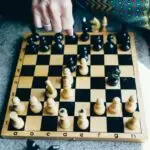
- Ayo: A board game that requires strategy and counting skills, common among the yoruba.
- Langa: A game where players hop on one leg while trying to knock over opponents.
- Abula: A local volleyball-like game played with a bat and ball.
- Okwe: A traditional counting game similar to Ayo, played in Eastern Nigeria.
- Ekak: A local game played using seeds or stones, mainly for mental alertness.
- Epa: A traditional masquerade sport played among the Yoruba people, showcasing strength and agility.
- Ijakadi: A traditional wrestling contest among the Yoruba, often held during festivals.
Teaching Methods
To deliver this lesson, the teacher will adopt the following methods: Questioning, Discussion, Storytelling, Description, Demonstration, Group Work.
Instructional procedures
To deliver this lesson, the teacher will adopt the following steps:
Step 1: Introduction (set Induction)
Time: 5 mins
Teaching Skill: Set Induction
Teacher’s Activity: Asks pupils to name games they play in their community. Leads a short discussion on their experiences.
Pupils’ Activity: Pupils mention games they know and participate in the discussion.
Step 2: explanation of Indigenous Games
Time: 10 mins
Teaching Skill: Expository
Teacher’s Activity: Defines indigenous games and explains their importance in society. Gives examples of indigenous games.
Pupils’ Activity: Listen attentively and take notes.
Step 3: Demonstration of Indigenous Games
Time: 10 mins
teaching Skill: demonstration
Teacher’s Activity: shows pictures and videos of some indigenous games. Demonstrates basic movements of some games.
Pupils’ Activity: Observe and try out simple actions from the games.
Step 4: Class Discussion on Favorite Indigenous games
Time: 5 mins
Teaching Skill: Interactive
Teacher’s Activity: Organizes pupils into small groups to discuss their favorite indigenous games and their rules.
Pupils’ Activity: Engage in discussions and share their knowledge.
Step 5: Note-Taking
Time: 5 mins
Teaching Skill: Expository
Teacher’s Activity: guides pupils to copy the key points from the board.
Pupils’ Activity: Copy notes in their exercise books.
Step 6: Evaluation/Review
Time: 3 mins
Teaching skill: Questioning
Teacher’s Activity: Asks pupils questions to test their understanding of the topic.
Pupils’ Activity: Answer questions and participate.
Objective-aligned checks:
- Define indigenous games and identify different types.
- Demonstrate basic movements or actions in some indigenous games.
step 7: Conclusion
Time: 2 mins
Teaching Skill: Summary
Teacher’s Activity: Summarizes the lesson, emphasizing the importance of indigenous games in culture and physical advancement.
Pupils’ Activity: Listen and reflect on the lesson.
Lesson Keywords
- Indigenous Games – Traditional games played by people in different cultures.
- Dambo – A traditional wrestling game in Northern Nigeria.
- Kokowa – A Hausa wrestling game involving physical strength.
- Mgba – A wrestling game popular among the Igbo people.
- Ayo – A strategic board game common among the Yoruba.
- Langa – A game where players hop on one leg to knock over opponents.
Lesson Evaluation
to evaluate the learning, the teacher asks pupils to:
- what are indigenous games?
- Mention three examples of indigenous games.
- Why are indigenous games vital in society?
- which indigenous game involves the use of a board?
- Describe how Langa is played.
Assignment/homework
- research and write about the rules of one indigenous game from your community.
- Ask your parents or grandparents about indigenous games they played when they were young and write a short paragraph about it.
Differentiation
- For slower learners: Provide additional explanations using real-life examples and images.
- For advanced learners: Ask them to research and present additional indigenous games not covered in class.
- For kinesthetic learners: Encourage active participation in demonstrating games.
Note for Teachers
Indigenous games are an exciting way to teach pupils about their cultural heritage. Engage them in discussions and simple demonstrations to make the lesson more interactive. If possible, arrange for a practical session where pupils can try out some of the games. Happy teaching!

Community Join the conversation Open discussion +