

Class: Primary 6
Term: Third Term
Subject: Physical & Health Education
Curriculum Theme: Physical & Health Education
Previous Lesson: Structure of the tooth, Dental problems and Prevention
Topic: Personal and Environmental Health
Content/Learning Area: Methods of Waste Disposal, Importance of Waste Disposal, Noise Pollution
Time Allocation: 40 Minutes
Performance Objectives
By the end of the lesson, pupils should be able to:
- Cognitive Domain: Explain different methods of waste disposal.
- Affective Domain: Appreciate the importance of proper waste disposal.
- Psychomotor Domain: Participate in proper waste disposal practices.
- Social Domain: Collaborate in maintaining a clean surroundings.
Reference Materials
- 9 Years Basic Education Curriculum
- Abuja Educational Resource Center Scheme of work
- NAPPS National Unified Scheme of Work
- Comprehensive Health Education for Primary Schools, Book 6
- Evans Health Education for Primary Schools, Book 6
Instructional Materials
To deliver this lesson, the teacher will use the following materials: pictures/charts showing different waste disposal methods, waste bins, and cleaning tools.
Rationale for the Lesson
Understanding waste disposal methods and their importance is crucial for maintaining personal and environmental health, preventing diseases, and promoting a lasting lifestyle.
Prerequisite/Previous Knowledge
Pupils have prior knowledge of what waste is and different types of waste materials.
Lesson Content
Personal and Environmental Health
Methods of Waste Disposal
Various methods are employed to manage and eliminate waste materials, each with its own advantages and considerations.
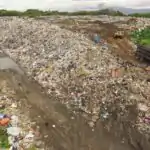
- Landfilling – Burying waste in designated areas, often lined to prevent soil contamination.
- Incineration – Burning waste at high temperatures to reduce its volume and generate energy.
- Composting – Decomposing organic waste into nutrient-rich soil amendment.
- Recycling – Processing used materials into new products, conserving resources and reducing landfill waste.
- Waste Reduction – Minimizing waste generation through conscious consumption and reuse practices.
- Open Burning – Burning waste in open areas, a practice that releases harmful pollutants into the air.
- Burial – Burying small amounts of biodegradable waste in the ground.
- Sewage Treatment – Treating wastewater to remove contaminants before releasing it back into the environment.
Importance of Waste Disposal
Proper waste disposal is essential for protecting public health and preserving the environment.
- Prevents the spread of diseases by eliminating breeding grounds for pests and pathogens.
- reduces environmental pollution by minimizing the release of harmful substances into the air, water, and soil.
- Conserves natural resources by promoting recycling and reducing the need for raw materials.
- Creates a cleaner and more aesthetically pleasing environment.
- Supports economic advancement by creating jobs in the waste management industry.
- Protects wildlife and ecosystems from the harmful effects of pollution.
- Promotes a sustainable lifestyle by encouraging responsible consumption and waste reduction.
- Enhances community well-being by creating a healthier and safer living environment.
Noise Pollution
Noise pollution refers to excessive or unwanted sound that can have negative impacts on human health and the environment.
- Sources of noise pollution include traffic, construction, industrial activities, and loud music.
- Effects of noise pollution can include hearing loss, stress, sleep disturbances, and cardiovascular problems.
- Mitigation measures include noise barriers, soundproofing, and regulations on noise levels.
Teaching Methods
To deliver this lesson, the teacher will adopt the following methods: Description, Discussion, Visual Aids, Field Trip.
Instructional Procedures
To deliver this lesson, the teacher will adopt the following steps:
Step 1: introduction (Set Induction)
Time: 5 Minutes
teaching Skill: Set Induction
Teacher’s Activity: Engages pupils by asking about their experiences with waste disposal in their homes and communities.
Pupils’ Activity: Share their experiences and observations related to waste disposal.
Step 2: Methods of Waste Disposal
Time: 10 Minutes
teaching Skill: Explanation
Teacher’s Activity: Explains different methods of waste disposal using charts and pictures.
Pupils’ Activity: Listen attentively and ask questions for clarification.
Step 3: importance of Waste Disposal
Time: 10 Minutes
Teaching Skill: Discussion
Teacher’s Activity: Leads a discussion on the importance of proper waste disposal for personal and environmental health.
Pupils’ Activity: Participate in the discussion by sharing their ideas and opinions.
Step 4: Noise Pollution Awareness
Time: 5 Minutes
Teaching Skill: Explanation
Teacher’s Activity: Explains the concept of noise pollution, its sources, and its effects on health.
Pupils’ Activity: Listen attentively and ask questions for clarification.
Step 5: Note-Taking
Time: 5 Minutes
Teaching Skill: Summarization
Teacher’s Activity: Guides pupils to summarize the key points of the lesson in their notebooks.
Pupils’ Activity: Write down the key points in their notebooks.
Step 6: Evaluation/Review
Time: 3 Minutes
Teaching Skill: Assessment
Teacher’s Activity: Asks questions to assess pupils’ understanding of the lesson.
Pupils’ Activity: Answer the questions to demonstrate their understanding.
Step 7: Conclusion
Time: 2 Minutes
Teaching Skill: Closure
Teacher’s Activity: Summarizes the main points of the lesson and emphasizes the importance of practicing proper waste disposal methods.
Pupils’ Activity: Listen to the summary and ask any remaining questions.
Lesson Keywords
- Waste Disposal – The process of getting rid of unwanted or unusable materials.
- Landfilling – Burying waste in designated areas.
- Recycling – Processing used materials into new products.
- Composting – Decomposing organic waste into nutrient-rich soil.
- noise Pollution – Excessive or unwanted sound that can harm health.
Lesson Evaluation
To evaluate the learning, the teacher asks pupils to:
- List three methods of waste disposal.
- Explain why proper waste disposal is crucial.
- Define noise pollution and give two examples of its sources.
Assignment/Homework
- Research and write about a local waste management initiative in your community.
- create a poster illustrating the importance of recycling.
Differentiation
- For slower learners: Provide simplified explanations and visual aids.
- For advanced learners: Encourage them to research and present on innovative waste management technologies.
- For visual/auditory/kinesthetic learners: Use visual aids,discussions,and hands-on activities like sorting recyclable materials.
Note for Teachers
Ensure to use real-life examples and local context to make the lesson relatable and engaging for the pupils. Encourage active participation and critical thinking throughout the lesson.



Community Join the conversation Open discussion +