

Class: Primary 6
Term: 2nd Term
Subject: Basic Science and Technology
Curriculum Theme: Physical and Health education
Previous Lesson: Meaning Of Indigenous Games
Topic: Importance and Methods of Playing Indigenous Games
Content/Learning Area: Importance of indigenous games, Methods of playing indigenous games.
time Allocation: 40 minutes
Performance Objectives
By the end of the lesson, pupils should be able to:
- Cognitive Domain: Explain the importance of playing indigenous games.
- Affective Domain: Appreciate the cultural meaning of indigenous games.
- Psychomotor Domain: Demonstrate the method of playing selected indigenous games.
- Social Domain: Cooperate with classmates in playing indigenous games.
Reference Materials
The following resources were used in planning this lesson:
- 9 – Years Basic Education Curriculum
- Abuja Educational Resource Center Scheme of Work
- NAPPS National Unified Scheme of Work
- Online Information from: lambandbear.co.uk – The Importance Of Traditional Games For Children’s Development
- Relevant Textbooks
Instructional Materials
To deliver this lesson, the teacher will use the following materials:
- Pictures and videos of indigenous games
- Flashcards with names of indigenous games
- Locally available game materials (e.g., stones, ropes, seeds)
- Chalkboard and chalk
Rationale for the Lesson
Indigenous games are an essential part of our culture. They promote physical fitness, teamwork, and problem-solving skills. This lesson will help pupils understand their importance and learn how to play some of these games.
Prerequisite/Previous Knowledge
Pupils already know what indigenous games are and have played some of them at home or school.
Lesson Content
Importance and Methods of Playing Indigenous games
Indigenous games have many benefits that help us in different ways. Below are some reasons why playing indigenous games is important:
- physical Fitness: These games keep our bodies active and healthy.
- Teamwork: Many indigenous games require players to work together, fostering cooperation and communication.
- Cultural Heritage: They help us learn about our culture, traditions, and history, preserving our identity.
- Problem-Solving Skills: Some games require strategy, critical thinking, and quick decision-making.
- Social Development: They help us make friends, improve social skills, and learn to interact with others.
- Entertainment: They provide a fun and engaging way to pass the time and relieve stress.
- Creativity: Some games involve storytelling, imaginative play, and artistic expression.
- Cognitive Development: Indigenous games can enhance memory,attention span,and cognitive functions.
- Discipline: Following rules and respecting opponents teaches discipline and sportsmanship.
- Leadership Skills: Some games allow pupils to take on leadership roles, developing their leadership abilities.
Methods Of Playing Indigenous games
Here are some examples of indigenous games and how they are played:
- Ayo (seed Game): Played with a wooden board and seeds. Players take turns distributing the seeds to win by capturing the most seeds.
- Tinko (Jump Rope Game): Players take turns skipping a rope while singing rhymes, improving coordination and rhythm.
- Kokoma (Clapping Game): A rhythmic clapping game played in pairs with songs, enhancing coordination and teamwork.
- Suwe (Hopscotch): Players hop on one foot thru drawn squares on the ground, improving balance and coordination.
- Boju-Boju (Hide and Seek): One player covers their eyes while others hide. The seeker finds them, promoting observation and social interaction.
- Ten-Ten (Hand Clap Game): Two players face each othre and clap in rhythm while moving their feet, enhancing coordination and rhythm.
- Whot (Card Game): A popular card game involving matching numbers or symbols, requiring strategy and memory.
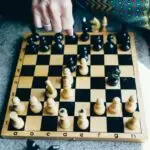
- Draft (Checkers): A board game played with two players,involving strategic movement of pieces to capture opponent’s pieces.
- Local Wrestling (Traditional Wrestling): A combat sport involving grappling techniques, promoting strength and agility.
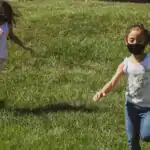
- chase Games (e.g., Police and Thief): Players chase each other, promoting physical activity and teamwork.
Teaching methods
To deliver this lesson, the teacher will adopt the following methods: Discussion, Presentation, Group Work, Question and Answer
Instructional Procedures
To deliver this lesson, the teacher will adopt the following steps:
Step 1: Introduction
Time: 5 mins
Teaching Skill: Set Induction
Teacher’s Activity: Asks pupils if they have played any indigenous games before and their experiences.
Pupils’ Activity: Pupils share their experiences.
Step 2: Explanation of Importance
Time: 8 mins
Teaching Skill: Explanation
Teacher’s Activity: Explains the importance of indigenous games using examples.
Pupils’ Activity: Pupils listen and ask questions.
Step 3: Demonstration of Methods
Time: 8 mins
Teaching Skill: Demonstration
Teacher’s Activity: Shows the methods of playing some indigenous games using available materials.
Pupils’ Activity: Pupils observe and take notes.
Step 4: Group Practice
Time: 8 mins
Teaching Skill: Group Work
Teacher’s Activity: Divides pupils into groups to practice one indigenous game each.
Pupils’ Activity: Pupils play the games in groups.
step 5: Note-Taking
Time: 5 mins
teaching Skill: Writing
Teacher’s Activity: Guides pupils to write down key points in their notebooks.
Pupils’ Activity: Pupils copy notes.
Step 6: Evaluation/Review
Time: 4 mins
Teaching Skill: Assessment
Teacher’s Activity: Asks pupils questions to test their understanding.
Pupils’ Activity: Pupils answer questions.
Objective-aligned checks:
- Explain the importance of playing indigenous games.
- Demonstrate the method of playing selected indigenous games.
Step 7: Conclusion
time: 2 mins
teaching Skill: Summary
teacher’s Activity: Summarizes the lesson and encourages pupils to play more indigenous games.
Pupils’ Activity: Pupils listen and respond.
Home Task: Describe or illustrate one lesson example of Importance and Methods of Playing Indigenous Games and include one safety or performance rule. Do not practise a risky activity without adult supervision.
Lesson Keywords
- Indigenous Games – Traditional games that originate from a particular culture or region.
- Physical Fitness – the state of being physically healthy and active.
- Teamwork – Cooperative effort by a group of people to achieve a common goal.
Lesson Evaluation
To evaluate the learning, the teacher asks pupils to:
-
- List two reasons why indigenous games are important.
- Mention four indigenous games and their methods of playing.
- Demonstrate how to play Suwe or Ten-Ten.
- Explain how indigenous games help us develop social skills.
Differentiation
- For pupils who struggle, the teacher will provide one-on-one guidance during the demonstration.
- More advanced pupils will be asked to teach their peers how to play a game.
Note for Teachers Using This Lesson Plan
Make the lesson fun by allowing pupils to actively participate in the games. Ensure all pupils are engaged and encourage teamwork. Happy teaching!

Community Join the conversation Open discussion +