

Note for teachers using this lesson plan
This lesson introduces students to the critical environmental issue of deforestation and its wide-ranging impacts. Teachers should prepare the simple experiment materials (container, soil, water, vegetation) beforehand to effectively demonstrate soil erosion. By the end of the lesson, students should be able to clearly explain deforestation and discuss its various environmental consequences, fostering a sense of environmental responsibility.
Class: SS 1
Term: Third Term
Week: 4
Age: 15 years
Duration: 60 minutes
Subject: Biology
Curriculum Theme: Society and Environmental Biology
Focal competence: Using waste management and prevention of deforestation to develop a sense of environmental responsibility
Key competencies/values: Communication; Research and Problem Solving; Problem Solving
Skills:
- Practicing Cleanliness and hygiene
- Sorting wastes for disposal
Previous Lesson: Conservation, Waste Management and Deforestation
Topic: Conservation: Impact Of Deforestation On The Environment
Subject Matter: Impact of deforestation on the environment
Specific Objectives
By the end of the lesson, pupils/students should be able to:
Cognitive Domain
- Explain deforestation.
- Discuss the impact of deforestation on soil erosion.
- Describe how deforestation contributes to climate change.
- Identify the effects of deforestation on the water cycle.
- Explain the link between deforestation and desertification.
- List natural disasters associated with deforestation.
- Mention health issues resulting from deforestation.
Affective Domain
- Appreciate the importance of preventing deforestation.
- Develop a sense of responsibility towards environmental conservation.
Psychomotor Domain
- Demonstrate soil erosion using a simple experiment.
- Identify impacts of deforestation from provided pictures or video clips.
Social Domain
- Collaborate effectively in group discussions about environmental impacts.
Reference Materials
The following resources were used in planning this lesson:
- 2025 New Revised Senior Secondary Education Curriculum (SSEC)
- Relevant State Unified Scheme of Work
- A suitable Biology textbook for SS 1
- The HeadTeacher Scheme of work For The New Revised Senior Secondary Education Curriculum (SSEC)
Instructional Materials
The teacher will teach this lesson with the aid of:
- Pictures/posters of clean and dirty environments
- Container with soil and water
- Soil with vegetation and soil without vegetation
- Video clips illustrating soil management practices and deforestation
- Whiteboard and markers
Rationale for the Lesson
This lesson is essential for students to understand the severe environmental consequences of deforestation. It helps them connect human activities to ecological changes, fostering an awareness of their role in environmental conservation. Understanding these impacts is crucial for developing sustainable practices and responsible citizenship.
Prerequisite/Previous Knowledge
Students should have a basic understanding of plants, their importance, and simple environmental concepts like soil and water.
Lesson Content/Board Summary
Conservation: Impact Of Deforestation On The Environment
Deforestation
Deforestation refers to the clearing of forest land for other uses, such as agriculture, cattle ranching, logging, mining, and urban development. It involves the permanent destruction of forests and woodlands, leading to a significant reduction in tree cover.
Impacts of Deforestation on the Environment
Deforestation has several severe negative impacts on the environment, affecting various ecological processes and human well-being. These impacts include:
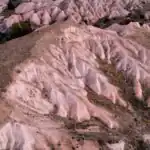
- Soil Erosion: Trees and other vegetation play a crucial role in holding soil together with their root systems. When forests are cleared, the soil is exposed directly to the elements, making it vulnerable to erosion by wind and water. This leads to the loss of fertile topsoil, reducing agricultural productivity and increasing sediment in rivers.
- Climate Change: Forests act as carbon sinks, absorbing large amounts of carbon dioxide (CO2) from the atmosphere during photosynthesis. Deforestation releases this stored carbon back into the atmosphere, contributing to the increase in greenhouse gases. This intensifies the greenhouse effect, leading to global warming and climate change, characterized by rising temperatures, altered weather patterns, and increased frequency of extreme weather events.
- Disruption of the Water Cycle: Forests play a vital role in the water cycle. They absorb rainwater, release moisture into the atmosphere through transpiration, and help regulate local rainfall patterns. Deforestation disrupts this balance, leading to reduced rainfall in some areas, increased runoff, and a higher risk of floods in others. It can also lead to drier conditions and reduced water availability for communities.
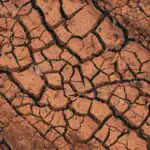
- Desertification: This is the process by which fertile land becomes desert, typically as a result of drought, deforestation, or inappropriate agriculture. When forests are removed, the land loses its protective cover, leading to increased soil erosion, loss of soil moisture, and a decline in soil fertility. Over time, this can transform productive land into barren desert-like conditions, making it unsuitable for cultivation or habitation.
- Increase in Natural Disasters: Deforestation can exacerbate the frequency and intensity of natural disasters. The removal of tree cover on slopes increases the risk of landslides and mudslides, especially during heavy rainfall. Reduced water absorption by deforested land can lead to more severe flooding in low-lying areas.
- Health Issues: The environmental changes caused by deforestation can lead to various health problems.
- Respiratory Issues: Increased dust from soil erosion and smoke from forest burning can worsen respiratory conditions.
- Spread of Diseases: Deforestation can disrupt ecosystems, bringing humans into closer contact with disease-carrying animals and insects, potentially leading to the emergence or spread of zoonotic diseases.
- Food Insecurity: Loss of fertile land due to erosion and desertification can lead to reduced agricultural output, causing food shortages and malnutrition.
Teaching Methods/Instructional Techniques
Discussion, Demonstration, Guided Practice, Question and Answer, Explanation, Observation, Group Work
Instructional Procedures
Step 1: Introduction
Time: 5 minutes
Teaching Skill: Questioning/Engagement
Teacher’s Activity: The teacher greets the students and asks them to recall the importance of trees and forests to the environment and to humans. The teacher then introduces the topic: “Conservation: Impact of Deforestation on the Environment.”
Pupils’ Activity: Pupils respond to the questions and listen attentively to the introduction.
Learning Point: Importance of forests
Step 2: Explanation of Deforestation
Time: 10 minutes
Teaching Skill: Explanation/Discussion
Teacher’s Activity: The teacher explains the term “deforestation” using simple language and examples of human activities that lead to it (e.g., farming, logging, building). The teacher also shows pictures/posters related to deforestation.
Pupils’ Activity: Pupils define deforestation in their own words and ask questions for clarification.
Learning Point: Meaning of deforestation
Step 3: Experiment on Soil Erosion
Time: 15 minutes
Teaching Skill: Demonstration/Observation
Teacher’s Activity: The teacher guides students to conduct a simple experiment to demonstrate soil erosion. Using two containers (one with soil and vegetation, one with bare soil), the teacher pours water over both, allowing students to observe the difference in runoff and soil loss. The teacher highlights how vegetation prevents soil erosion.
Pupils’ Activity: Pupils observe the experiment, discuss their observations in small groups, and note the differences.
Learning Point: Soil erosion demonstration
Step 4: Discussion on Soil Erosion and Desertification
Time: 10 minutes
Teaching Skill: Explanation/Discussion
Teacher’s Activity: Building on the experiment, the teacher explains how deforestation leads to increased soil erosion and subsequently contributes to desertification. The teacher uses the video clips to show real-life examples.
Pupils’ Activity: Pupils contribute to the discussion, relating the experiment to the concepts of soil erosion and desertification.
Learning Point: Causes of desertification
Step 5: Discussion on Climate Change and Water Cycle Disruption
Time: 8 minutes
Teaching Skill: Explanation/Question and Answer
Teacher’s Activity: The teacher explains how deforestation impacts global climate change by releasing carbon dioxide and disrupts the natural water cycle, affecting rainfall patterns and water availability.
Pupils’ Activity: Pupils listen, ask questions, and discuss the implications of these impacts.
Learning Point: Climate change effects
Step 6: Discussion on Natural Disasters and Health Issues
Time: 7 minutes
Teaching Skill: Explanation/Discussion
Teacher’s Activity: The teacher discusses how deforestation can lead to an increase in natural disasters like floods and landslides, and also contributes to various health issues in affected communities.
Pupils’ Activity: Pupils share their understanding and examples of such disasters and health problems.
Learning Point: Deforestation and health
Step 7: Evaluation/Review
Time: 5 minutes
Teaching Skill: Questioning/Assessment
Teacher’s Activity: The teacher evaluates the learning by asking the following questions:
- What is deforestation?
- Explain how deforestation leads to soil erosion.
- Mention two ways deforestation contributes to climate change.
- How does deforestation disrupt the water cycle?
- List two health issues that can arise from deforestation.
Pupils’ Activity: Pupils answer orally and in writing.
Learning Point: Impacts of deforestation
Step 8: Note-Taking
Time: 10 minutes
Teaching Skill: Guided Writing
Teacher’s Activity: The teacher guides pupils/students to copy the essential Board Summary notes on the impacts of deforestation into their notebooks.
Pupils’ Activity: Pupils/students copy the notes carefully into their notebooks.
Learning Point: Recording lesson notes
Step 9: Conclusion
Time: 5 minutes
Teaching Skill: Reinforcement
Teacher’s Activity: The teacher summarizes the key impacts of deforestation and reiterates the importance of conservation efforts to protect our environment for future generations.
Pupils’ Activity: Pupils listen and reflect on the lesson’s main points.
Learning Point: Environmental conservation importance
Continuous Assessment/Further Study
Type: Homework/Further Reading
Instruction: Research and write a short essay (200-250 words) on one specific impact of deforestation in Nigeria, suggesting possible solutions.
- Define deforestation in your own words.
- Describe in detail how deforestation contributes to desertification.
- Identify and explain two natural disasters that can be worsened by deforestation.
- Suggest three practical ways individuals and communities can help prevent deforestation.
- Find out about any local initiatives in your community aimed at reforestation or preventing deforestation.
Lesson Keywords
- Deforestation – The clearing of forests for other land uses.
- Soil Erosion – The wearing away of topsoil by natural forces like wind and water.
- Climate Change – Long-term shifts in temperatures and weather patterns.
- Water Cycle – The continuous movement of water on, above, and below the surface of the Earth.
- Desertification – The process by which fertile land becomes desert.
- Carbon Sink – A natural environment that absorbs carbon dioxide from the atmosphere.
Differentiation
For students who need additional support, the teacher can provide simplified definitions and more visual aids, focusing on one impact at a time. Advanced learners can be encouraged to research specific case studies of deforestation and its impacts in different regions of the world or explore policy solutions.
Suggested Lesson Videos
YouTube search for “impact of deforestation on environment SS1 biology”

Community Join the conversation Open discussion +