

Class: Senior Secondary School 1 (SS1, SS 1, SSS1, SSS 1)
Term: 3rd Term
Week: 2
Age: 15 years
Duration: 45 minutes
Subject: Biology
Curriculum Theme: Biology
Previous Lesson: Pollution, Types and Sources of Pollutants.
Topic: RELEVANCE OF BIOLOGY TO AGRICULTURE.
Subject Matter: Plant classification basics, botanical classification algae and spermatophytes, agricultural classification fibre and non-fibre plants, classification by life cycle annual biennial and perennial plants.
Specific Objectives
By the end of the lesson, pupils should be able to:
Cognitive Domain:
- Define plant classification.
- State the basic principles of botanical classification.
- Mention examples of algae and spermatophytes.
- List examples of fibre and non-fibre plants.
- Explain the differences between annual, biennial, and perennial plants.
Affective Domain:
- Appreciate the importance of classifying plants in agriculture.
- Participate actively in group classification activities.
Psychomotor Domain:
- Classify given plant specimens into botanical and agricultural groups.
- Record examples for each classification category.
Social Domain:
- Collaborate with peers to classify plants.
- Present group findings effectively.
Reference Materials
The following resources were used in planning this lesson:
- 9 Years Basic Education Curriculum (Senior Secondary Biology)
- State Unified Scheme of Work (Senior Secondary Biology)
- Essential Biology for Senior Secondary Schools by M.C. Michael
Instructional Materials
The teacher will teach this lesson with the aid of:
- Various plant specimens (e.g., a leafy twig, a flower, a fruit, a piece of wood, a sample of algae).
- Pictures of algae and spermatophytes.
- Classification charts showing botanical and agricultural groupings.
- Labels and tags for classification activities.
Rationale for the Lesson
This lesson helps pupils understand how plants are grouped based on different characteristics. This knowledge is important for identifying plants, understanding their uses in agriculture, and managing them effectively for food and other resources.
Prerequisite/Previous Knowledge
Pupils should have basic knowledge of different types of plants and their common parts from previous lessons.
Lesson Content/Board Summary
RELEVANCE OF BIOLOGY TO AGRICULTURE: Plant Classification
Plant Classification Basics
Plant classification is the process of grouping plants based on their shared characteristics. This helps in identifying plants, understanding their relationships, and determining their uses, especially in agriculture.
Botanical Classification
Botanical classification groups plants based on their evolutionary relationships and structural features.
Two major groups under botanical classification are:
- Algae: These are simple, non-vascular plants, mostly aquatic. They lack true roots, stems, and leaves. Examples include Spirogyra, Chlamydomonas, and kelp.
- Spermatophytes (Seed Plants): These are vascular plants that reproduce by seeds. They have true roots, stems, and leaves. Examples include maize, beans, mango, and pine trees.
Agricultural Classification
Agricultural classification groups plants based on their economic importance and use to humans, particularly in farming.
Two broad categories are:
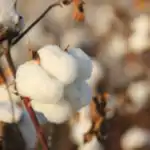
- Fibre Plants: These plants are grown for their fibres, which are used to make textiles, ropes, and other materials. Examples include cotton, jute, sisal, and flax.
- Non-fibre Plants: These include plants grown for food (cereals, legumes, fruits, vegetables), timber, medicinal purposes, or as ornamentals. Examples include maize, rice, yam, cassava, cocoa, teak, and neem.
Classification by Life Cycle
Plants can be classified based on the duration of their life cycle.
The three main categories are:
- Annual Plants: These plants complete their entire life cycle (from seed germination to seed production and death) within one growing season, typically a year or less. Examples include maize, rice, beans, and tomatoes.
- Biennial Plants: These plants complete their life cycle in two growing seasons. They typically grow vegetative parts (leaves, roots) in the first year and flower, produce seeds, and die in the second year. Examples include carrots, onions, and cabbage.
- Perennial Plants: These plants live for more than two years and often for many years. They produce flowers and seeds repeatedly over many seasons. Examples include mango trees, oil palm, hibiscus, and cassava (if not harvested annually).
Teaching Methods/Instructional Techniques
Discussion, Lecture, Demonstration, Question and Answer, Visual Aids
Instructional Procedures
Step 1: Introduction
Time: 5 minutes
Teaching Skill: Set Induction
Teacher’s Activity: The teacher greets the pupils and asks them to name different types of plants they know (e.g., trees, grasses, flowers). The teacher then asks why it is important to group these plants.
Pupils’ Activity: Pupils respond by naming various plants and offering reasons for grouping them, such as for easy identification or knowing their uses.
Learning Point: Pupils recall prior knowledge about plants and understand the need for classification.
Step 2: Plant Classification Basics
Time: 7 minutes
Teaching Skill: Explanation/Definition
Teacher’s Activity: The teacher defines plant classification and explains its general importance, especially in agriculture, using simple language. The teacher writes the definition on the board.
Pupils’ Activity: Pupils listen attentively, take notes, and ask questions for clarity.
Learning Point: Pupils understand the meaning and general importance of plant classification.
Step 3: Botanical Classification
Time: 8 minutes
Teaching Skill: Demonstration/Explanation
Teacher’s Activity: The teacher introduces botanical classification, focusing on Algae and Spermatophytes. The teacher shows pictures or actual specimens of algae and spermatophytes, explaining their key features and giving examples. The teacher emphasizes that Spermatophytes are seed plants.
Pupils’ Activity: Pupils observe the specimens/pictures, listen to the explanations, and note down the characteristics and examples of each group.
Learning Point: Pupils can differentiate between algae and spermatophytes based on their botanical features.
Step 4: Agricultural Classification
Time: 7 minutes
Teaching Skill: Illustration/Discussion
Teacher’s Activity: The teacher discusses agricultural classification, categorizing plants into fibre and non-fibre types. The teacher uses examples of common fibre crops like cotton and jute, and non-fibre crops like maize and yam, explaining their uses in agriculture.
Pupils’ Activity: Pupils mention examples of plants they know and discuss their uses, classifying them into fibre or non-fibre categories under teacher guidance.
Learning Point: Pupils understand how plants are classified based on their agricultural uses.
Step 5: Classification by Life Cycle
Time: 8 minutes
Teaching Skill: Explanation/Examples
Teacher’s Activity: The teacher explains the classification of plants based on their life cycle: annual, biennial, and perennial. The teacher gives clear definitions and provides several common examples for each category, explaining the duration of their life cycles.
Pupils’ Activity: Pupils listen, ask questions about the examples, and record the definitions and examples in their notebooks.
Learning Point: Pupils can differentiate between annual, biennial, and perennial plants.
Step 6: Group Activity/Application
Time: 5 minutes
Teaching Skill: Group Work/Practical Application
Teacher’s Activity: The teacher divides pupils into small groups and provides each group with a few plant specimens or pictures. The teacher instructs them to classify the plants using the criteria discussed (botanical, agricultural, life cycle) and to record their classifications.
Pupils’ Activity: Pupils work in groups to classify the provided plants and record their findings.
Learning Point: Pupils apply their understanding of plant classification in a practical way.
Step 7: Evaluation/Review
Time: 5 minutes
Teaching Skill: Questioning/Assessment
Teacher’s Activity: The teacher evaluates the learning by asking the following questions:
- Define plant classification.
- Mention two differences between algae and spermatophytes.
- List two examples of fibre plants and two examples of non-fibre plants.
- Explain the difference between annual and perennial plants, giving one example for each.
Pupils’ Activity: Pupils answer orally and in writing.
Learning Point: Pupils demonstrate understanding of the lesson.
Step 8: Conclusion
Time: 0 minutes
Teaching Skill: Summarization
Teacher’s Activity: The teacher briefly summarizes the key points of the lesson, reiterating the importance of plant classification in biology and agriculture. The teacher assigns homework: “Research and write down three economic importance of classifying plants in Nigeria.”
Pupils’ Activity: Pupils listen to the summary and copy the homework assignment.
Learning Point: Pupils consolidate their learning and prepare for further exploration.
Lesson Keywords
- Classification – The systematic grouping of organisms based on shared characteristics.
- Algae – Simple, non-vascular, mostly aquatic plants lacking true roots, stems, and leaves.
- Spermatophytes – Vascular plants that reproduce by seeds, having true roots, stems, and leaves.
- Fibre Plants – Plants grown for their fibres used in textiles and ropes.
- Non-fibre Plants – Plants grown for food, timber, medicine, or as ornamentals.
- Annual Plants – Plants that complete their life cycle within one growing season.
- Biennial Plants – Plants that complete their life cycle in two growing seasons.
- Perennial Plants – Plants that live for more than two years.
Differentiation
For pupils who grasp concepts quickly, the teacher can challenge them to research more specific examples of each plant classification or discuss the economic impact of different plant types. For pupils requiring more support, the teacher can provide simplified charts or visual aids, offer more direct examples, and provide one-on-one assistance during the group activity.
Note for teachers using this lesson plan
Ensure a variety of actual plant specimens or clear pictures are available for demonstration and the group activity. Encourage pupils to use local examples of plants for each classification category to make the lesson more relatable. Emphasize the practical applications of plant classification in daily life and agricultural practices.
Community Join the conversation Open discussion +