

Class: Senior Secondary School 2 (SS2 / SSS 2)
Term: 1st Term
Week: 7
Age: 16 years
Duration: 45 minutes
Subject: Geography
Curriculum Theme: Human and Environmental Geography
Previous Lesson: Renewable And Non-Renewable Resources: Meaning, Types and Comparison.
Topic: Environmental Problems (HAZARDS)
Subject Matter: Meaning of environmental hazards, drought meaning causes effects and solutions, desert encroachment meaning causes effects and solutions, pollution meaning causes effects and solutions, deforestation meaning causes effects and solutions, soil erosion meaning causes effects and solutions
Specific Objectives
By the end of the lesson, pupils should be able to:
Cognitive Domain:
- Define environmental hazards.
- State the causes of drought, desert encroachment, pollution, deforestation, and soil erosion.
- Explain the effects of these environmental problems.
- Propose solutions to various environmental hazards.
Affective Domain:
- Appreciate the importance of preventing and mitigating environmental problems.
- Develop a sense of responsibility towards environmental protection and sustainability.
Psychomotor Domain:
- Identify examples of environmental problems in their local community.
- Discuss practical ways to address local environmental issues.
Social Domain:
- Participate actively in discussions about environmental challenges and solutions.
- Collaborate with peers to suggest community-level interventions for environmental protection.
Reference Materials
The following resources were used in planning this lesson:
- 9 Years Basic Education Curriculum (Senior Secondary Geography)
- State Unified Scheme of Work (Geography SS2)
- Essential Geography for Senior Secondary Schools by O.A. Adeleye and R.C. Adeyemi
Instructional Materials
The teacher will teach this lesson with the aid of:
- Pictures showing various environmental hazards (e.g., eroded land, polluted rivers, deforested areas).
- Documentaries or video clips illustrating environmental problems.
- Maps showing areas affected by desertification or drought.
Rationale for the Lesson
This lesson helps pupils understand the various problems affecting our environment and how these issues impact human life and activities. It enables pupils to identify environmental challenges in their surroundings and encourages them to think about practical solutions to protect the environment.
Prerequisite/Previous Knowledge
Pupils are expected to have a basic understanding of their immediate environment and some natural phenomena that affect it.
Lesson Content/Board Summary
Environmental Problems (HAZARDS)
Meaning of Environmental Hazards
Environmental hazards are natural or human-induced events that pose a threat to human life, property, and the environment. They can cause damage, loss of life, and disruption to ecological systems.
Drought
Drought is a prolonged period of abnormally low rainfall, leading to a shortage of water. This shortage affects agriculture, ecosystems, and human populations.
The following are causes of drought:
- Insufficient rainfall over an extended period.
- High temperatures leading to increased evaporation.
- Poor land management practices.
- Climate change and variability.
The following are effects of drought:
- Crop failure and famine.
- Water scarcity for domestic and industrial use.
- Loss of livestock.
- Desertification and soil degradation.
- Increased risk of wildfires.
- Migration of people and animals.
The following are solutions to drought:
- Construction of dams and reservoirs for water storage.
- Implementation of irrigation schemes.
- Afforestation and reforestation programmes.
- Development of drought-resistant crops.
- Efficient water management and conservation techniques.
- Weather modification (e.g., cloud seeding) where feasible.
Desert Encroachment
Desert encroachment, also known as desertification, is the process by which fertile land becomes desert, typically as a result of drought, deforestation, or inappropriate agriculture.
The following are causes of desert encroachment:
- Prolonged drought conditions.
- Overgrazing by livestock.
- Deforestation for fuel wood and agriculture.
- Poor irrigation practices leading to soil salinization.
- Unsustainable farming methods.
- Climate change.
The following are effects of desert encroachment:
- Loss of arable land for agriculture.
- Reduced biodiversity.
- Food insecurity and poverty.
- Dust storms and air pollution.
- Forced migration of communities.
- Increased temperatures in affected areas.
The following are solutions to desert encroachment:
- Afforestation and reforestation, especially planting shelterbelts.
- Sustainable land use and agricultural practices.
- Controlled grazing.
- Development of alternative energy sources to reduce reliance on fuel wood.
- Water harvesting and efficient irrigation.
- Public awareness and education.
Pollution
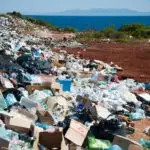
Pollution is the introduction of harmful substances or products into the environment, causing adverse changes. It can affect air, water, and land.
The following are causes of pollution:
- Industrial emissions and waste discharge.
- Vehicle exhausts.
- Agricultural run-off (pesticides, fertilizers).
- Improper disposal of solid waste.
- Oil spills.
- Noise from industrial activities and transportation.
The following are effects of pollution:
- Respiratory diseases and other health problems.
- Contamination of water sources, leading to waterborne diseases.
- Damage to ecosystems and loss of biodiversity.
- Acid rain, damaging buildings and vegetation.
- Global warming and climate change.
- Reduced agricultural productivity due to soil contamination.
The following are solutions to pollution:
- Enforcement of environmental laws and regulations.
- Adoption of cleaner production technologies.
- Promotion of renewable energy sources.
- Proper waste management, including recycling and composting.
- Public education on waste reduction and disposal.
- Use of public transportation and fuel-efficient vehicles.
Deforestation
Deforestation is the clearing of forest land for other uses, such as agriculture, urbanization, or logging, resulting in the permanent removal of trees.
The following are causes of deforestation:
- Agricultural expansion (commercial and subsistence farming).
- Logging for timber and wood products.
- Mining activities.
- Urbanization and infrastructure development.
- Fuel wood collection.
- Forest fires.
The following are effects of deforestation:
- Loss of biodiversity and animal habitats.
- Soil erosion and degradation.
- Increased greenhouse gas emissions (contributing to climate change).
- Disruption of water cycles and increased risk of floods.
- Loss of medicinal plants and other forest resources.
- Desertification.
The following are solutions to deforestation:
- Reforestation and afforestation programmes.
- Sustainable forest management practices.
- Establishment of protected areas and national parks.
- Promotion of alternative livelihoods for forest-dependent communities.
- Regulation of logging and timber trade.
- Public awareness campaigns on the importance of forests.
Soil Erosion
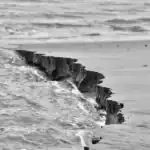
Soil erosion is the process by which topsoil, which is the most fertile layer of soil, is removed by natural forces like wind and water, or by human activities.
The following are causes of soil erosion:
- Deforestation and removal of vegetation cover.
- Overgrazing by livestock.
- Poor farming practices (e.g., ploughing up and down slopes).
- Heavy rainfall and strong winds.
- Construction activities and urbanization.
- Bush burning.
The following are effects of soil erosion:
- Loss of fertile topsoil, leading to reduced agricultural productivity.
- Silting of rivers, dams, and irrigation channels.
- Increased flooding.
- Damage to infrastructure (roads, bridges).
- Desertification.
- Loss of biodiversity.
The following are solutions to soil erosion:
- Contour ploughing and terracing on slopes.
- Afforestation and planting of cover crops.
- Construction of gabions and check dams.
- Strip cropping and crop rotation.
- Controlled grazing.
- Public awareness on sustainable land management.
Teaching Methods/Instructional Techniques
Discussion, Lecture, Demonstration, Question and Answer, Visual Aids
Instructional Procedures
Step 1: Introduction
Time: 5 minutes
Teaching Skill: Set Induction
Teacher’s Activity: The teacher greets the pupils and asks them to mention some problems they observe in their environment, such as dirty surroundings, drying farmlands, or unusual weather patterns. The teacher then introduces the topic: Environmental Problems (HAZARDS).
Pupils’ Activity: Pupils respond by mentioning observed environmental problems.
Learning Point: Pupils are introduced to the concept of environmental problems and their relevance.
Step 2: Meaning of Environmental Hazards
Time: 5 minutes
Teaching Skill: Explanation/Definition
Teacher’s Activity: The teacher explains the meaning of environmental hazards, providing simple examples. The teacher writes the definition on the board.
Pupils’ Activity: Pupils listen attentively, ask questions for clarity, and copy the definition.
Learning Point: Pupils understand the general meaning of environmental hazards.
Step 3: Drought and Desert Encroachment
Time: 10 minutes
Teaching Skill: Explanation/Discussion
Teacher’s Activity: The teacher explains drought and desert encroachment, outlining their causes, effects, and solutions. The teacher uses pictures or maps to illustrate the concepts and encourages pupils to discuss. The teacher writes key points on the board.
Pupils’ Activity: Pupils listen, observe the visual aids, participate in the discussion, and copy notes.
Learning Point: Pupils learn about drought and desert encroachment, including their causes, effects, and solutions.
Step 4: Pollution
Time: 7 minutes
Teaching Skill: Explanation/Discussion
Teacher’s Activity: The teacher defines pollution, explaining its various forms (air, water, land). The teacher discusses the causes, effects, and solutions of pollution, using local examples where possible. Key points are written on the board.
Pupils’ Activity: Pupils pay attention, ask questions, contribute to the discussion, and take notes.
Learning Point: Pupils understand the concept of pollution, its causes, effects, and ways to mitigate it.
Step 5: Deforestation and Soil Erosion
Time: 8 minutes
Teaching Skill: Explanation/Discussion
Teacher’s Activity: The teacher explains deforestation and soil erosion, discussing their causes, effects, and solutions. The teacher shows relevant pictures or video clips to enhance understanding and writes key points on the board.
Pupils’ Activity: Pupils observe, listen, ask questions, and copy down the notes.
Learning Point: Pupils gain knowledge about deforestation and soil erosion, their impacts, and management strategies.
Step 6: Discussion on Local Environmental Problems
Time: 5 minutes
Teaching Skill: Questioning/Observation
Teacher’s Activity: The teacher encourages pupils to share observations of environmental problems in their locality and discuss potential causes and simple solutions based on what they have learned. The teacher facilitates the discussion, linking it to the content taught.
Pupils’ Activity: Pupils share their observations, discuss causes and effects, and suggest solutions for local environmental issues.
Learning Point: Pupils connect theoretical knowledge to real-life situations and develop critical thinking skills regarding local environmental challenges.
Step 7: Evaluation/Review
Time: 5 minutes
Teaching Skill: Questioning/Assessment
Teacher’s Activity: The teacher evaluates the learning by asking the following questions:
- Define environmental hazards.
- Mention three causes of drought.
- State two effects of deforestation.
- List three solutions to soil erosion.
- Explain what desert encroachment means.
Pupils’ Activity: Pupils answer orally and in writing.
Learning Point: Pupils demonstrate understanding of the lesson.
Step 8: Conclusion
Time: 5 minutes
Teaching Skill: Summarization/Consolidation
Teacher’s Activity: The teacher summarizes the key points of the lesson, emphasizing the importance of protecting the environment. The teacher assigns homework, asking pupils to identify one environmental problem in their community and suggest two ways to solve it.
Pupils’ Activity: Pupils listen to the summary, ask any remaining questions, and copy the homework.
Learning Point: Pupils consolidate their learning and are encouraged to apply knowledge to their local environment.
Lesson Keywords
- Environmental Hazard – Events or conditions in the natural or human environment that pose a threat to human life, property, or the ecosystem.
- Drought – A prolonged period of abnormally low rainfall, leading to a shortage of water.
- Desert Encroachment – The process by which fertile land transforms into desert, often due to climate change and human activities.
- Pollution – The introduction of harmful substances or products into the environment.
- Deforestation – The clearing of forests for other land uses, resulting in the permanent removal of trees.
- Soil Erosion – The removal of topsoil by natural forces like wind and water, or by human activities.
Differentiation
The teacher will provide additional explanations and visual aids for pupils who may be struggling with understanding certain concepts. More advanced pupils will be encouraged to research specific local environmental issues and propose detailed solutions.
Note for teachers using this lesson plan
Teachers should adapt this lesson plan to suit the specific needs and context of their pupils and local environment. Encourage active participation and use local examples to make the lesson more relatable and impactful.

Community Join the conversation Open discussion +