

Class: Primary Five
Term: First Term
Subject: Basic Science and Technology
Curriculum theme: Basic Science
Previous Lesson:
Topic: Environmental Changes
Content/Learning Area: What is Erosion?, the Main Causes of Erosion
Time Allocation: 40 minutes
Performance Objectives
By the end of the lesson, pupils should be able to:
- Cognitive Domain:
1. Define erosion.
2. Identify pictures of erosion.
3. List five causes of erosion.
- Psychomotor Domain:
1. Identify examples of erosion in pictures.
- Affective Domain:
1. Show interest in learning about environmental changes.
- Social Domain:
1. Participate actively in class discussions.
Reference Materials
- 9 – Years Basic Education Curriculum
- Abuja Educational Resource Center scheme of Work
- NAPPS National Unified scheme of work
- Relevant Textbooks
Instructional Materials
To deliver this lesson, the teacher will use the following materials:
- Whiteboard or chart
- Markers or chalk
- Pictures showing examples of erosion
Rationale for the Lesson
Understanding erosion is crucial for environmental awareness and responsible land management. This lesson provides a foundation for future learning about environmental protection and sustainable practices.
prerequisite/Previous Knowledge
Pupils are expected to have basic knowledge of the habitat and different landscapes.
Lesson Content
What is Erosion?
Erosion is the wearing away of soil, rocks, and land surfaces by natural forces like wind, water, or ice. These forces move the materials from one place to another.
The Main Causes of erosion
Erosion is caused by several factors that lead to the displacement of soil and rock. The following are the main causes of erosion:
- Water: Rain and rivers carry away soil and rocks, especially on bare ground. For example, gully erosion in southeastern Nigeria.
- Wind: Strong winds pick up loose soil and sand, common in deserts. An example is the desertification in northern Nigeria.
- Human Activities: Deforestation, construction, and farming can increase erosion. Overgrazing by livestock can also lead to soil erosion.
- Ice: Glaciers carve valleys and move rocks and soil. Although less common in Nigeria, it’s a significant factor in colder regions.
- Gravity: Landslides happen when gravity pulls soil and rocks downslope. This is common in hilly or mountainous areas.
- Vegetation Removal: Plants help to hold the soil together. When vegetation is removed, the soil becomes more vulnerable to erosion.
- Climate Change: Changes in rainfall patterns and increased frequency of extreme weather events can exacerbate erosion.
Teaching Methods
To deliver this lesson, the teacher will adopt the following methods: Discussion,Question and Answer,Use of Pictures.
Instructional Procedures
To deliver this lesson, the teacher will adopt the following steps:
Step 1: Introduction
Time: 5 minutes
Teaching Skill: Set Induction
Teacher’s Activity: Ask pupils what they know about the environment and show pictures of different landscapes.Pupils’ Activity: Respond to teacher’s questions and observe the pictures.
Step 2: Explanation of Key Concepts
Time: 10 minutes
Teaching Skill: Explanation
Teacher’s Activity: Define erosion and explain its meaning using simple language and examples.
Pupils’ Activity: Listen attentively and ask clarifying questions.
Step 3: Presentation/Guided Practice
Time: 10 minutes
Teaching Skill: Demonstration
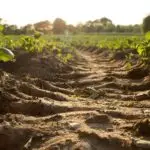
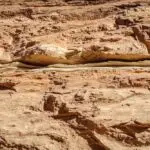
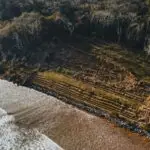
Teacher’s activity: Show pictures of erosion caused by water,wind,and human activities.guide pupils to identify the causes.
Pupils’ Activity: Observe the pictures and identify the causes of erosion.
Step 4: Self-Reliant Practice
Time: 5 minutes
Teaching Skill: Guided Practice
Teacher’s activity: Ask pupils to list five causes of erosion.Pupils’ Activity: List five causes of erosion individually.
Step 5: Note-Taking
Time: 5 minutes
Teaching Skill: Note-Taking
Teacher’s Activity: Guide pupils to take notes on key concepts and definitions.
Pupils’ Activity: Write down key points in their notebooks.
Step 6: Evaluation/Review
Time: 5 minutes
Teaching Skill: Questioning
Teacher’s Activity: Ask evaluation questions to assess understanding.
Pupils’ Activity: Answer the evaluation questions.
Objective-aligned checks:
- Define erosion.
- Identify pictures of erosion.
- List five causes of erosion.
Step 7: Conclusion
Time: 2 minutes
Teaching Skill: Summarization
Teacher’s Activity: Summarize the key concepts of erosion and its causes, emphasizing the importance of protecting the environment.
Pupils’ Activity: Listen to the summary and ask any remaining questions.
Lesson Keywords
- Erosion – The process of wearing away soil, rocks, and land by natural forces.
- Deforestation – The clearing of forests, often leading to increased erosion.
- Landslide – The movement of soil and rocks down a slope due to gravity.
- Weathering – The breaking down of rocks and minerals on the Earth’s surface through contact with the atmosphere, water, and biological organisms.
- Gully Erosion – The removal of soil along drainage lines by surface water runoff.
Lesson Evaluation
To evaluate the learning, the teacher asks pupils to:
- What is erosion?
- Name three causes of erosion.
- How do human activities cause erosion?
- Give an example of erosion caused by water.
- How can we prevent erosion?
Observation: Teacher will observe pupils’ participation in discussions, their ability to identify causes of erosion in pictures, and their answers to evaluation questions.
Assignment/Homework
- List five ways to prevent erosion in your community.
- Draw a picture of an area affected by erosion and label the causes.
- Research and write a short paragraph on the effects of erosion on agriculture.
Differentiation
- For slower learners: Provide one-on-one assistance and use simpler language.
- For advanced learners: Encourage them to research additional causes of erosion and present their findings to the class.
- For visual/auditory/kinesthetic learners: Use visual aids, discussions, and hands-on activities to cater to different learning styles.
Note for Teachers
Ensure to use local examples of erosion to make the lesson more relatable. Encourage pupils to share their observations and experiences related to erosion in their environment.
Community Join the conversation Open discussion +