

Class: Primary One
Term: First Term
Subject: Basic Science and Technology
Curriculum Theme: Basic Science
Previous Lesson: Water and Its Common Sources
Topic: Water
Content/Learning Area: Defining water, Uses of water, Sources of water
Time Allocation: 40 minutes
Performance Objectives
By the end of the lesson, pupils should be able to:
- Cognitive Domain:
1. Define water.
2. State the uses of water.
3. List the different sources of water.
- Affective Domain:
1. Show appreciation for the importance of water.
2. Develop a sense of responsibility towards water conservation.
- Psychomotor Domain:
1. Participate actively in class discussions.
2. Draw diagrams of different water sources.
- Social Domain:
1. Work collaboratively with peers in group activities.
2.Share ideas and opinions respectfully during discussions.
Reference Materials
- 9 – Years basic Education Curriculum
- Abuja Educational resource Center Scheme of work
- NAPPS National Unified scheme of Work
- Online Details
- Relevant Textbooks
Instructional Materials
To deliver this lesson,the teacher will use the following materials:
- Whiteboard or chart paper
- Markers or crayons
- Pictures of different water sources
- Relevant textbooks
Rationale for the Lesson
Understanding water is crucial for pupils’ overall scientific literacy. This lesson provides a foundation for future learning about the water cycle, ecosystems, and the importance of water conservation.
Prerequisite/Previous Knowledge
The teacher will start by asking pupils what they know about water, encouraging them to share their experiences and prior knowledge. A brief discussion will follow, setting the stage for the lesson’s content.
Lesson Content
what is Water?
Water is a clear, odorless, and tasteless liquid essential for all living things. It is crucial for plants, animals, and humans.
Sources of Water
Water comes from various places in our surroundings. These include:
- Rivers: Flowing bodies of water originating in mountains and flowing towards the sea.
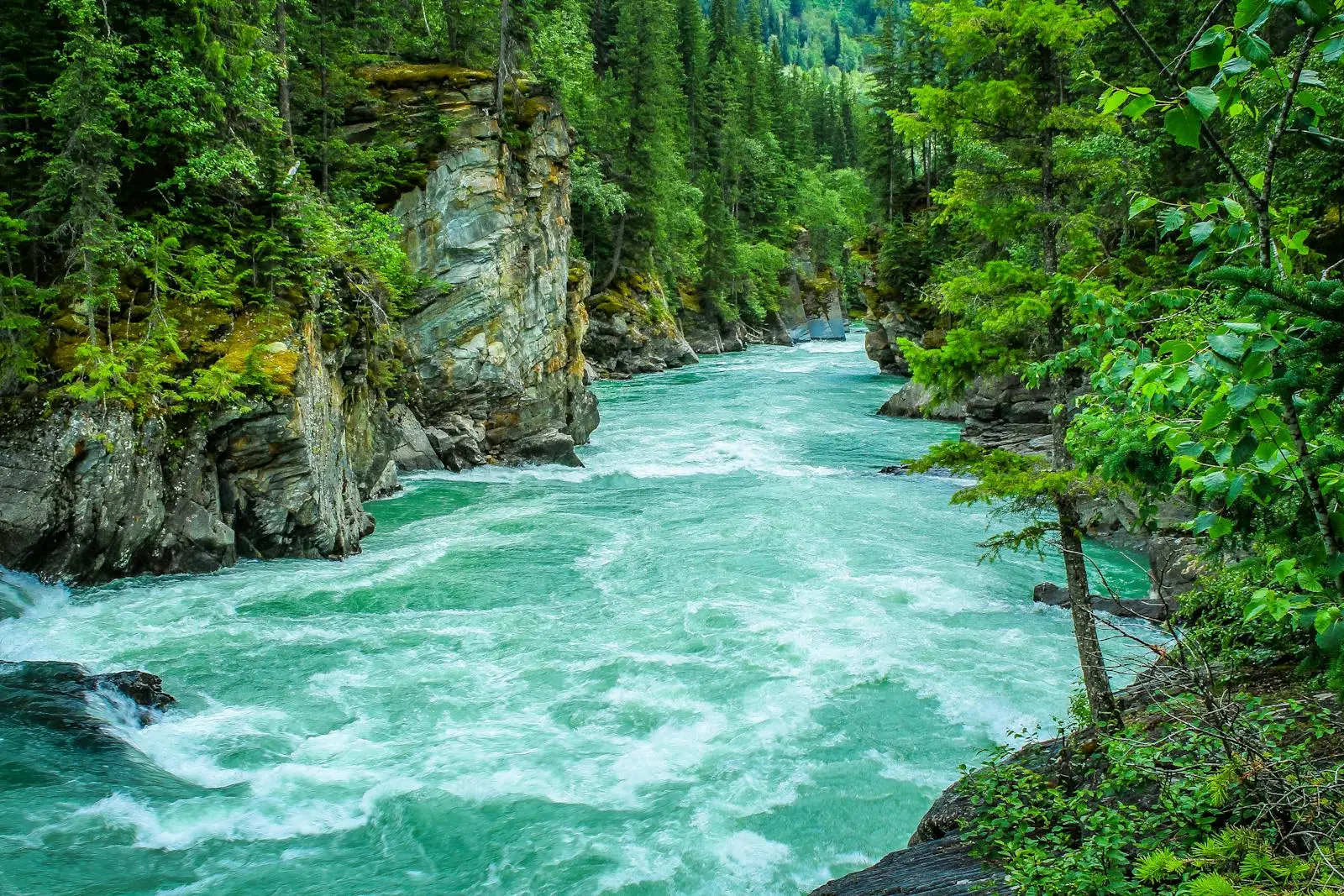
River Photo by Baskin Creative co. on Pexels - Lakes: Large bodies of water surrounded by land.

Lake view Photo by Pixabay on Pexels - Wells: Holes dug into the ground to reach underground water. Learn more about underground water.

Photo by Mehmet Turgut kirkgoz on Pexels - Rain: Water that falls from the sky.
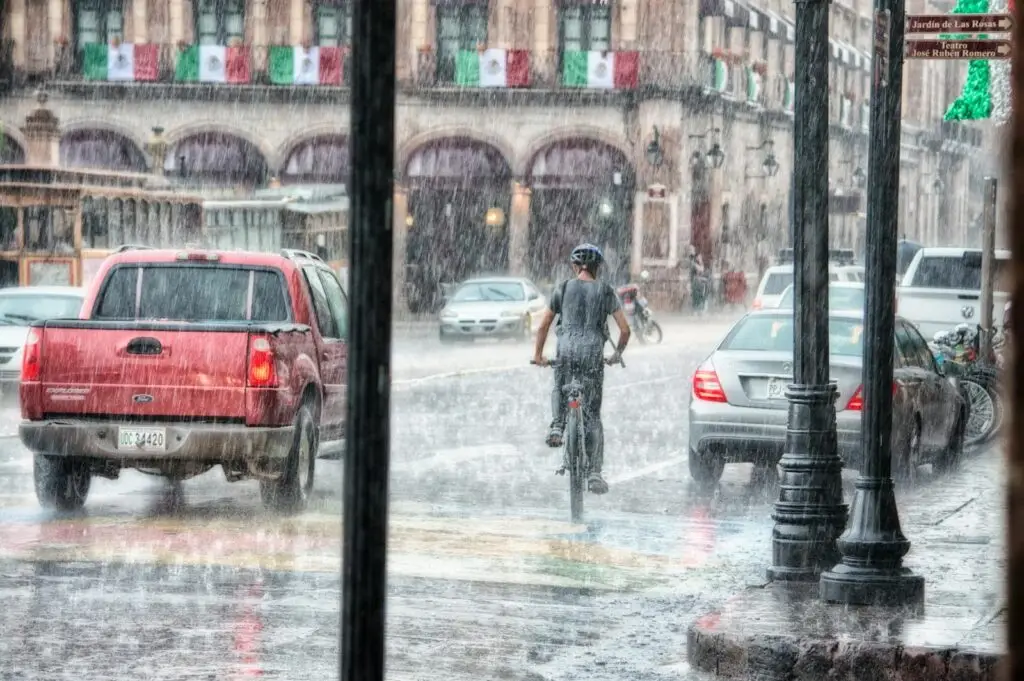
Photo by Genaro Servín on pexels - Streams: small, flowing bodies of fresh water.
- Ponds: Small bodies of still water, often smaller than lakes.
- Springs: Natural sources where groundwater flows onto the surface.
Uses of Water
Water is essential for various activities in our daily lives.These include:
- Drinking: Essential for hydration and health.
- Cooking: Used in various cooking methods.
- Cleaning: Used for personal and household cleaning.
- Bathing: Used for personal hygiene.
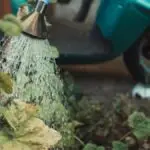
- Watering plants: Essential for plant growth. Learn more about the uses of water.
- Washing clothes: To keep our clothes clean and fresh.
- Flushing toilets: To maintain hygiene in our restrooms.
- Swimming: For recreation and exercise.
Teaching Methods
To deliver this lesson, the teacher will adopt the following methods: Discussion, Question and answer, visual aids
Instructional procedures
To deliver this lesson, the teacher will adopt the following steps:
Step 1: Introduction
Time: 5 minutes
Teaching Skill: Set Induction
Teacher’s Activity: Asks pupils what they know about water and initiates a brief discussion.
Pupils’ Activity: Share their prior knowledge and participate in the discussion.
Step 2: Definition of water
Time: 10 minutes
Teaching Skill: Explaining
Teacher’s Activity: Explains the definition of water and its importance.
Pupils’ Activity: Listen attentively and ask clarifying questions.
Step 3: Water Sources
Time: 10 minutes
Teaching Skill: Demonstrating
Teacher’s Activity: Shows pictures of different water sources and explains their characteristics.
Pupils’ Activity: observe the pictures and participate in the discussion.
Step 4: Drawing Water Sources
Time: 5 minutes
Teaching Skill: Monitoring
Teacher’s Activity: Guides pupils in drawing diagrams of different water sources.
Pupils’ activity: Draw diagrams and label them correctly.
Step 5: note-Taking
Time: 5 minutes
Teaching Skill: Note-taking
Teacher’s Activity: Summarizes key points on the board.Pupils’ Activity: Take notes in their notebooks.
Step 6: Evaluation/Review
Time: 5 minutes
Teaching Skill: Questioning
Teacher’s Activity: Asks evaluation questions.
Pupils’ Activity: answer the questions.
Objective-aligned checks:
- State the uses of water.
- List the different sources of water.
- Show appreciation for the importance of water.
Step 7: Conclusion
Time: 5 minutes
Teaching skill: Summarizing
Teacher’s Activity: Summarizes the key points about water, its sources, and its uses, emphasizing the importance of water conservation and responsible water usage.Pupils’ Activity: Listen attentively and ask any remaining questions.
Lesson Keywords
- Water – A clear, odorless, and tasteless liquid essential for life.
- Sources – Places where water comes from,such as rivers,lakes,and rain.
- uses – activities for which water is needed, such as drinking, cooking, and cleaning.
- Conservation – Protecting and preserving water resources.
- Hygiene – Practices that promote cleanliness and health.
Lesson Evaluation
To evaluate the learning, the teacher asks pupils to:
- What is water?
- Name three sources of water.
- Give two uses of water.
- Why is water important for living things?
- Can you think of any other uses for water?
Assignment/Homework
- Draw and label three different sources of water.
- List five ways you use water at home.
- Write a short paragraph about why it is important to save water.
differentiation
- For slower learners: Provide one-on-one assistance and use simpler language.
- for advanced learners: Encourage them to research additional uses of water and present their findings to the class.
- For visual/auditory/kinesthetic learners: Use visual aids, verbal explanations, and hands-on activities to cater to different learning styles.
Note for Teachers
Ensure to use real-life examples and visual aids to make the lesson engaging and relatable for the pupils. Emphasize the importance of water conservation and responsible water usage to instill good habits from an early age.
Community Join the conversation Open discussion +