

Note for teachers using this lesson plan
This lesson introduces Primary 1 pupils to the basic concept of energy. Prepare simple visual aids like pictures of people doing activities or objects that move and light up. Emphasise that energy helps us do things and makes things work. By the end, pupils should be able to explain what energy is and give examples of things that need energy.
Class: Primary One
Term: Second Term
Week: 8
Age: 6 years
Duration: 45 minutes
Subject: Basic Science
Curriculum Theme: Energy
Focal competence: Demonstrating the use of various forms of energy in everyday activities
Key competencies/values: Communication; Creativity and Innovation
Skills:
- Explaining the meaning of energy
Previous Lesson: Collecting and classifying safe non-living things
Topic: Energy
Subject Matter: Meaning of energy, familiar examples
Specific Objectives
By the end of the lesson, pupils should be able to:
Cognitive Domain
- Explain the meaning of energy in simple terms.
- Identify familiar examples of activities that require energy.
- State why energy is needed to do work.
Affective Domain
- Appreciate the importance of energy in daily life.
Psychomotor Domain
- Demonstrate simple activities that require energy.
Reference Materials
The following resources were used in planning this lesson:
- 2025 Revised 9 Years Basic Education Curriculum
- Relevant State Unified Scheme of Work
- Basic Science for Primary 1 Textbook
- The HeadTeacher Scheme of work
Instructional Materials
The teacher will teach this lesson with the aid of:
- Pupils themselves and classroom objects (e.g., a moving toy, a torchlight)
- Pictures/charts of things that use energy (e.g., a child running, a car, a fan, a cooking stove, a light bulb)
- Food items (e.g., yam, rice, bread)
Rationale for the Lesson
This lesson helps pupils understand that energy is essential for all activities and makes things happen around them. It lays a foundational understanding of a crucial scientific concept by connecting it to their everyday experiences, fostering observation and critical thinking about their environment.
Prerequisite/Previous Knowledge
Pupils are familiar with various daily activities like playing, eating, and moving, and they know that certain things like food give them strength.
Lesson Content/Board Summary
Energy
Meaning of Energy
Energy is the ability to do work. It is what makes things move, work, get hot, or produce light.
Examples of Energy in Everyday Life
We use energy for many things every day. Some examples include:
- When you run or play, you use energy.
- When a car moves, it uses energy.
- When a fan turns, it uses energy.
- When we cook food, we use energy (heat energy).
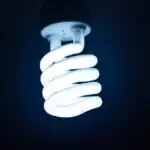
- When a light bulb shines, it gives light energy.
- When you talk or sing, you use energy.
Why We Need Energy
We need energy to do all our daily activities. Without energy, we cannot do anything. People need energy for:
- Playing games and running.
- Learning in school.
- Growing big and strong.
- Moving from one place to another.
- Thinking and talking.
Sources of Energy
Energy comes from different places. Some common sources of energy are:
- Food: We get energy to play and learn from the food we eat.
- Sun: The sun gives us light and heat energy.
- Electricity: Electricity makes our fans, lights, and televisions work.
- Wind: Wind can move things like kites and windmills.
- Water: Moving water can also be used to make electricity.
Teaching Methods/Instructional Techniques
Discussion, Demonstration, Guided Practice, Question and Answer, Explanation, Observation, Individual Practice.
Instructional Procedures
Step 1: Introduction
Time: 5 minutes
Teaching Skill: Storytelling/Questioning
Teacher’s Activity: The teacher greets the pupils and asks them what they did before coming to school (e.g., ate, played, walked). The teacher then asks what helps them do these things.
Pupils’ Activity: Pupils respond to the teacher’s questions, sharing their morning activities.
Learning Point: Activating prior knowledge
Step 2: Explanation of Energy
Time: 8 minutes
Teaching Skill: Explanation/Demonstration
Teacher’s Activity: The teacher explains that the ability to do all these things (run, play, walk) is called energy. The teacher uses simple examples like pushing a table or turning on a torchlight to show that energy makes things work or move. The teacher explains that energy is the ability to do work.
Pupils’ Activity: Pupils listen attentively and observe the teacher’s demonstrations.
Learning Point: Meaning of energy
Step 3: Discussion of Activities Requiring Energy
Time: 7 minutes
Teaching Skill: Question and Answer/Activity-based learning
Teacher’s Activity: The teacher asks pupils to name other activities they do that require energy (e.g., jumping, dancing, writing, talking). The teacher uses pictures of children doing various activities and asks pupils to identify the energy use.
Pupils’ Activity: Pupils name various activities they do that require energy and identify energy use in pictures.
Learning Point: Activities needing energy
Step 4: Identifying Sources of Energy
Time: 6 minutes
Teaching Skill: Explanation/Visual Aids
Teacher’s Activity: The teacher introduces simple sources of energy like food (showing a picture of food items), the sun (pointing to the sun or a picture of it), and electricity (pointing to a light bulb or fan). The teacher explains that we get energy from these sources.
Pupils’ Activity: Pupils observe the pictures and listen to the explanation of energy sources.
Learning Point: Basic energy sources
Step 5: Importance of Energy
Time: 5 minutes
Teaching Skill: Discussion/Reinforcement
Teacher’s Activity: The teacher asks pupils what would happen if they didn’t eat food or if there was no electricity for the fan. The teacher guides them to understand that energy is important for everything we do and for things to work.
Pupils’ Activity: Pupils share their ideas and understand the importance of energy.
Learning Point: Importance of energy
Step 6: Practical Examples/Demonstration
Time: 5 minutes
Teaching Skill: Practical Application
Teacher’s Activity: The teacher asks pupils to stand up and do a small action like clapping or stretching. The teacher reminds them that they used energy to do that. The teacher also shows a toy car that moves or a simple fan that works with batteries, explaining that these also use energy.
Pupils’ Activity: Pupils perform simple actions and observe the demonstrations, linking them to energy use.
Learning Point: Practical energy examples
Step 7: Evaluation/Review
Time: 5 minutes
Teaching Skill: Questioning/Assessment
Teacher’s Activity: The teacher evaluates the learning by asking the following questions:
- What is energy?
- Name two things you do that need energy.
- Why do we need energy?
Pupils’ Activity: Pupils answer orally and in writing.
Learning Point: Understanding energy concepts
Step 8: Note-Taking
Time: 4 minutes
Teaching Skill: Guided Writing
Teacher’s Activity: The teacher guides pupils to copy the essential Board Summary notes on the meaning of energy and examples into their notebooks.
Pupils’ Activity: Pupils copy the notes carefully into their notebooks.
Learning Point: Recording lesson notes
Step 9: Conclusion
Time: 3 minutes
Teaching Skill: Summarisation
Teacher’s Activity: The teacher briefly reminds pupils that energy is needed for everything to work and for them to play and learn. The teacher encourages them to always eat good food to have energy.
Pupils’ Activity: Pupils listen and affirm their understanding.
Learning Point: Consolidating energy importance
Continuous Assessment/Further Study
Type: Homework / Practice Exercise
Instruction: Observe things around your home and answer the following questions:
- Name one thing in your house that needs energy to work.
- Draw a picture of yourself doing an activity that uses energy.
- What food do you eat to get energy? Name two.
- Ask an adult at home to tell you one way they use energy.
- Why is it important for you to have energy every day?
Lesson Keywords
- Energy – the ability to do work, move, or make things happen.
- Work – an activity that needs effort or energy.
- Move – to go from one place to another.
- Light – what makes things visible.
- Heat – warmth or hotness.
Differentiation
For weaker learners: Provide more direct examples and demonstrations. Allow them to point to pictures or objects that use energy instead of naming them. Focus on the core idea that “energy makes things move/work.”
For faster learners: Encourage them to think of more complex examples of energy use (e.g., a television, a blender). Ask them to explain in their own words why the sun is an important source of energy.
Suggested Lesson Videos
YouTube search: meaning of energy for kids primary 1 basic science
Teacher Guide for Using This Lesson Plan
Before the lesson, gather pictures of various activities (running, cooking, a car moving, a light bulb on, a fan spinning) and some food items. You might also have a simple toy that moves or a torchlight to demonstrate. Begin by linking energy to pupils’ daily experiences to make the concept relatable. When explaining, use simple, clear language and repeat key phrases like “energy makes things work or move.” Encourage pupils to actively participate by naming activities and observing demonstrations. Ensure they understand that food gives them energy. During the note-taking step (Step 8), supervise closely to ensure pupils copy accurately. For evaluation, allow both oral and written responses, providing support as needed. Emphasise the practical application of energy in their lives throughout the lesson.

Community Join the conversation Open discussion +