

Note for teachers using this lesson plan
This lesson introduces Primary 1 pupils to the concept of energy through practical, everyday activities. Ensure a safe, open space is available for pupils to perform simple movements. Emphasise safety during all demonstrations and activities. By the end of the lesson, pupils should be able to identify and demonstrate various activities that require energy, understanding that energy is essential for movement and work.
Class: Primary One
Term: Second Term
Week: 10
Age: 6 years
Duration: 45 minutes
Subject: Basic Science
Curriculum Theme: Energy
Focal competence: Demonstrating the use of various forms of energy in everyday activities
Key competencies/values: Creativity and Innovation; Responsibility
Skills:
- Walking, jumping and cleaning the school surroundings using manipulative skills
Previous Lesson: Examples of things that use energy
Topic: Energy: Activities Involving The Use Of Energy
Subject Matter: Activities involving the use of energy
Specific Objectives
By the end of the lesson, pupils should be able to:
Cognitive Domain
- Identify human activities that use body energy.
- State examples of household or school activities that use electricity or fuel.
- Identify the energy source for different activities.
Affective Domain
- Participate safely in activities that use energy.
- Appreciate the importance of energy in daily activities.
Psychomotor Domain
- Perform activities involving the use of energy, such as walking and jumping.
- Demonstrate how energy is used in a familiar classroom or school activity like light cleaning.
Reference Materials
The following resources were used in planning this lesson:
- 2025 Revised 9 Years Basic Education Curriculum
- Relevant State Unified Scheme of Work
- Basic Science Textbook for Primary 1
- The HeadTeacher Scheme of work
Instructional Materials
The teacher will teach this lesson with the aid of:
- Open safe space (e.g., classroom, school compound)
- Light classroom objects (e.g., duster, broom, small chair)
- Pictures or charts showing people performing various activities (e.g., running, cooking, sweeping)
Rationale for the Lesson
This lesson is important because it helps young learners understand that energy is used in almost everything they do daily. By identifying and performing energy-using activities, pupils develop a practical understanding of how energy enables movement and work. This foundational knowledge supports their future learning in science.
Prerequisite/Previous Knowledge
Pupils should be able to identify different parts of the body and perform simple movements like walking and running.
Lesson Content/Board Summary
Energy: Activities Involving The Use Of Energy
Many activities we do every day require energy. These activities can use energy from our bodies, electricity, or fuel.
Human Activities Using Body Energy
These are activities we do using the energy our bodies get from the food we eat. Some examples are:
- Walking: Moving from one place to another on foot.
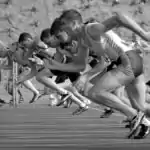
- Running: Moving quickly on foot.
- Lifting: Picking up objects from a lower to a higher position.
- Playing: Engaging in games like jumping, kicking a ball, or skipping.
- Dancing: Moving the body rhythmically.
Household and School Activities Using Electricity or Fuel
Some activities at home or in school need energy from other sources like electricity or fuel.
- Using a fan: Electricity makes the fan blades turn to give us air.
- Sweeping the floor: We use body energy to push a broom.
- Cooking food: Fuel (like gas or kerosene) provides heat to cook.
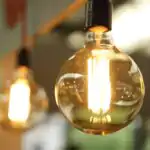
- Reading with light: Electricity makes the light bulb glow so we can see.
- Ironing clothes: Electricity heats the iron to make clothes smooth.
Identifying Energy Sources for Activities
Every activity that uses energy has a source. It is important to know where the energy comes from.
- Body Energy: Comes from the food we eat. Used for walking, running, jumping, sweeping, lifting.
- Electricity: Comes from power stations. Used for fans, lights, irons, televisions.
- Fuel: Comes from sources like gas, kerosene, or firewood. Used for cooking, heating water.
Teaching Methods/Instructional Techniques
Discussion, Demonstration, Guided Practice, Question and Answer, Explanation, Observation, Practical Activity.
Instructional Procedures
Step 1: Introduction
Time: 5 minutes
Teaching Skill: Questioning/Engagement
Teacher’s Activity: The teacher greets the pupils and asks them to mention things they do in school that make them feel tired or need strength. The teacher then introduces the topic of energy.
Pupils’ Activity: Pupils respond by mentioning activities like playing, running, carrying bags, or sweeping. They listen attentively to the introduction.
Learning Point: Daily activities
Step 2: Meaning of Energy
Time: 5 minutes
Teaching Skill: Explanation
Teacher’s Activity: The teacher explains in simple terms that energy is the power to do things, like move or play. The teacher gives simple examples.
Pupils’ Activity: Pupils listen and repeat the simple definition of energy. They mention other simple examples.
Learning Point: Meaning of energy
Step 3: Demonstrating Body Energy Activities
Time: 8 minutes
Teaching Skill: Demonstration/Modelling
Teacher’s Activity: The teacher demonstrates safe everyday activities that use body energy, such as walking, jumping, and miming lifting a light object. The teacher asks pupils to observe closely.
Pupils’ Activity: Pupils observe the teacher’s demonstrations carefully and identify the activities being performed.
Learning Point: Body energy activities
Step 4: Pupils Perform Body Energy Activities
Time: 8 minutes
Teaching Skill: Guided Practice
Teacher’s Activity: The teacher guides pupils to perform selected activities such as walking, jumping, and light cleaning (e.g., sweeping a small area with a toy broom or dusting a table with a duster) safely in the open space. The teacher ensures safety and encourages participation.
Pupils’ Activity: Pupils actively participate by performing the walking, jumping, and light cleaning activities under the teacher’s guidance.
Learning Point: Performing energy activities
Step 5: Household and School Activities Using Electricity or Fuel
Time: 6 minutes
Teaching Skill: Discussion/Questioning
Teacher’s Activity: The teacher asks pupils about activities they see at home or school that use electricity or fuel (e.g., using a fan, cooking, seeing light). The teacher shows pictures if available.
Pupils’ Activity: Pupils mention activities like watching TV, cooking, or using a fan. They observe the pictures.
Learning Point: Other energy activities
Step 6: Identifying Energy Sources
Time: 4 minutes
Teaching Skill: Explanation/Sorting
Teacher’s Activity: The teacher helps pupils identify the energy source for each activity discussed (body energy for walking, electricity for fan, fuel for cooking). The teacher leads a simple sorting discussion.
Pupils’ Activity: Pupils identify the energy sources for various activities with the teacher’s help, connecting activities to their energy types.
Learning Point: Identifying energy sources
Step 7: Evaluation/Review
Time: 5 minutes
Teaching Skill: Questioning/Assessment
Teacher’s Activity: The teacher evaluates the learning by asking the following questions:
- What is energy?
- Name two activities you do that use your body energy.
- Give one example of an activity that uses electricity.
- What energy do we use for cooking?
Pupils’ Activity: Pupils answer orally and in writing.
Learning Point: Energy use knowledge
Step 8: Note-Taking
Time: 4 minutes
Teaching Skill: Guided Writing
Teacher’s Activity: The teacher guides pupils to copy the essential Board Summary notes about energy and activities into their notebooks.
Pupils’ Activity: Pupils copy the notes carefully into their notebooks.
Learning Point: Energy activities notes
Step 9: Conclusion
Time: 2 minutes
Teaching Skill: Reinforcement
Teacher’s Activity: The teacher briefly reminds pupils that energy is needed for everything we do and encourages them to always eat well to have enough body energy. The teacher praises the pupils for their participation.
Pupils’ Activity: Pupils listen and acknowledge the importance of energy and healthy eating.
Learning Point: Energy in daily life
Continuous Assessment/Further Study
Type: Homework / Practice Exercise
Instruction: Observe activities at home and identify the type of energy used. Write down your answers in your notebook.
- Name one activity you do at home that uses your body energy.
- Name one thing your mummy uses electricity for.
- What does your daddy use fuel (like petrol) for in his car?
- Draw a picture of yourself walking or running.
- Ask an adult to tell you one other way energy is used at home.
Lesson Keywords
- Energy – The ability to do work or move.
- Activities – Things we do.
- Body energy – Energy from the food we eat, used for moving our bodies.
- Electricity – Energy used for lights, fans, and other appliances.
- Fuel – Material like gas or kerosene that is burned to produce energy.
Differentiation
For learners needing support: The teacher will provide extra guidance during practical activities and use more visual aids (pictures) to help them identify activities and energy sources. Simple, one-word answers will be accepted during evaluation.
For fast learners: These pupils can be encouraged to name more activities and energy sources. They can also be asked to draw an activity and label its energy source.
Suggested Lesson Videos
Search on YouTube: “Primary 1 activities using energy” or “Energy for kids basic science”
Teacher Guide for Using This Lesson Plan
Before the lesson, ensure the classroom or designated open space is clear and safe for pupils to move around. Gather any light classroom objects like a duster or toy broom, and prepare pictures of various activities. Begin by engaging pupils with questions about their daily activities to connect to their prior experiences. When demonstrating activities, ensure they are simple and safe for Primary 1 pupils to imitate. During the guided practice, monitor pupils closely to prevent accidents and encourage all to participate. Emphasise the link between the activity and its energy source. For the Board Summary, write clearly and use simple language. Guide pupils to copy the notes during the dedicated note-taking step, ensuring they understand what they are writing. Check for understanding throughout the lesson by asking simple questions and providing positive reinforcement.

Community Join the conversation Open discussion +