

Class: primary Two
Term: Third Term
Subject: Basic Science and Technology
Curriculum Theme: Basic Science
Previous lesson: Things That Float In The Air
Topic: Water
Content/Learning area: Definition of water, Sources of water, Uses of water
Time Allocation: 40 minutes
performance Objectives
By the end of the lesson, pupils should be able to:
- Cognitive Domain:
1. Define water.
2. List at least five sources of water.
3.Explain the importance of water.
- Affective Domain:
1. Show appreciation for the importance of water.
2. demonstrate a willingness to conserve water.
- Psychomotor Domain:
1.Identify different sources of water from pictures.
- Social Domain:
1. Work cooperatively with peers in group activities.
Reference Materials
- 9 – Years Basic Education Curriculum
- Abuja Educational Resource Center Scheme of Work
- NAPPS National Unified Scheme of Work
- Relevant Textbooks
Instructional Materials
To deliver this lesson, the teacher will use the following materials: Chart showing different sources of water, Pictures of various water sources, Whiteboard or chart paper, Markers.
Rationale for the Lesson
Understanding water sources and their importance is crucial for developing responsible environmental practices and appreciating the natural world.This lesson lays the foundation for future learning about the water cycle and conservation.
Prerequisite/Previous Knowledge
The teacher will start by asking pupils what they drink to quench their thirst. The teacher will then introduce the topic of water, emphasizing its importance in daily life.
Lesson Content
Water
Water is a clear liquid vital for all living things. Its found everywhere—rivers, lakes, oceans, and even in the air.
Sources of Water
Many places provide water. Some major sources include:
The following are examples of water sources:
- Rivers and Lakes: fresh water for drinking, cooking, and cleaning. They’re also homes to plants and animals.
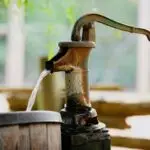
- Groundwater: Water found underground, accessed through wells. Vital for drinking and farming.
- Wells: Deep holes to get groundwater. Often used by communities.
- Springs: Natural water sources from the ground. Used locally for drinking and farming.
- Rainwater: Water from rain. Useful for farming and refilling other water sources.
- Reservoirs: Man-made lakes storing water for cities and flood control.
- Oceans: Earth’s largest water bodies. source of rainwater and potential for desalination.
- glaciers and Ice Caps: Large ice masses storing water. Supply water to rivers and streams.
- Streams and Creeks: Small flowing bodies of fresh water, often feeding into larger rivers or lakes.they support local ecosystems and provide water for smaller communities.
- Ponds: Small, still bodies of water that can be natural or man-made. They are crucial for local wildlife and can be used for irrigation.
Each source is important for life, ecosystems, and communities. protecting them from pollution is key.
Teaching Methods
to deliver this lesson, the teacher will adopt the following methods: Discussion, Question and answer, Use of pictures and charts.
Instructional procedures
To deliver this lesson, the teacher will adopt the following steps:
Step 1: Introduction
Time: 5 minutes
Teaching Skill: Set Induction
Teacher’s Activity: Asks pupils what they drink to quench their thirst. Introduces the topic: Water.
Pupils’ Activity: Respond to the teacher’s questions.
Step 2: Description of Key Concepts
Time: 10 minutes
Teaching Skill: Explanation
Teacher’s Activity: Defines water and explains its properties.
Pupils’ Activity: Listen attentively and ask clarifying questions.
Step 3: Demonstration/guided Practice
time: 10 minutes
Teaching Skill: Demonstration
Teacher’s Activity: Shows pictures of different water sources and discusses each one.
Pupils’ Activity: Observe the pictures and participate in the discussion.
Step 4: Self-reliant Practice
Time: 5 minutes
Teaching Skill: Guided Practice
teacher’s Activity: Asks pupils to name different sources of water.
Pupils’ Activity: Name different sources of water.
Step 5: Note-Taking
Time: 5 minutes
Teaching Skill: Note-taking
Teacher’s Activity: Guides pupils in taking notes on key concepts.
Pupils’ Activity: Take notes on key concepts.
Step 6: Evaluation/Review
Time: 5 minutes
Teaching Skill: questioning
teacher’s Activity: Asks evaluation questions.Pupils’ activity: Answer evaluation questions.
Objective-aligned checks:
- List at least five sources of water.
- Explain the importance of water.
- Show appreciation for the importance of water.
Step 7: Conclusion
time: 5 minutes
Teaching Skill: Summarizing
Teacher’s Activity: Summarizes the key points about water and its sources, emphasizing the importance of water conservation and assigns homework.
Pupils’ Activity: Listen to the summary and note the homework assignment.
lesson Keywords
- Water – A clear, tasteless, odorless liquid essential for life.
- Sources – places where water comes from, such as rivers, lakes, and wells.
- groundwater – Water found beneath the Earth’s surface.
- Reservoirs – Artificial lakes used to store water.
- Conservation – Protecting and preserving natural resources like water.
Lesson Evaluation
To evaluate the learning, the teacher asks pupils to:
- What is water?
- Name two sources of water.
- Why is water critically important?
- How can we protect water sources?
- Can you think of other water sources?
Assignment/Homework
- Draw your favorite water source.
- List three ways you can conserve water at home.
Differentiation
- For slower learners: The teacher will provide one-on-one assistance and use simpler language.
- For advanced learners: The teacher will encourage them to research additional sources of water and discuss water conservation strategies.
- For visual/auditory/kinesthetic learners: Use visual aids, discussions, and hands-on activities to cater to different learning styles.
Note for Teachers
Ensure to use local examples of water sources familiar to the pupils. Emphasize the importance of clean water and its impact on health. Encourage pupils to share their personal experiences with water sources in their communities.
Community Join the conversation Open discussion +