

Class: Primary One
Term: First Term
Subject: Basic Science and Technology
Curriculum Theme: Basic Science
previous Lesson: Colours and Types of Colours
Topic: Living Things
Content/Learning Area: What are Living Things?, Living Things in the School, Living things at home
Time Allocation: 40 minutes
Performance Objectives
By the end of the lesson, pupils should be able to:
- Cognitive Domain:
1. Define living things.
2. Identify examples of living things.
3. Explain the characteristics of living things.
- Affective Domain:
1. Show appreciation for living things.
2. Develop curiosity about the natural world.
- Psychomotor Domain:
1. Point out living things in their environment.
2. Draw pictures of living things.
- Social Domain:
1. Work cooperatively with classmates.
2. Share their knowledge with others.
reference Materials
- 9 – Years Basic Education curriculum
- Abuja educational Resource centre Scheme of Work
- NAPPS National Unified Scheme of Work
- Relevant Textbooks
Instructional Materials
To deliver this lesson, the teacher will use the following materials:
- Whiteboard or chart paper
- Markers or crayons
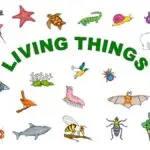
- Pictures of living things
- Real-life examples of living things (if possible)
rationale for the Lesson
understanding living things is basic to basic science. This lesson provides a foundation for future learning in biology and ecology, fostering an appreciation for the natural world and its inhabitants.
Prerequisite/Previous Knowledge
The teacher will start by asking pupils what they see around them in the classroom and school environment. The teacher will than guide them to identify things that are alive and things that are not alive, setting the stage for the lesson on living things.
Lesson Content
What are Living Things?
Living things are anything that is alive and has special features.
The following are features of living things:
- Growing
- Moving
- Breathing
- Needing food and water to stay alive
living Things in the School
Our school is full of living things.
Examples are:
- Trees
- Grass
- Birds
- Insects
- Classmates
- Teachers
- spiders
Living Things at Home
Our homes are also filled with living things.
These include:
- pets like dogs
- Pets like cats
- Pets like birds
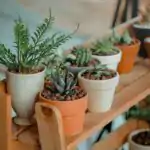
- Plants in our gardens or in pots
- Our family members
- Insects like ants
- Insects like flies
- Insects like butterflies
- Insects like moths
- Pests like lizards
- Pests like rats
- Pests like mosquitoes
- Pests like wasps
Teaching Methods
To deliver this lesson, the teacher will adopt the following methods: Discussion, question and answer, Show and tell
Instructional Procedures
To deliver this lesson, the teacher will adopt the following steps:
step 1: Introduction
Time: 5 minutes
Teaching Skill: Set Induction
Teacher’s Activity: Ask pupils what they see around them and initiate a discussion about living and non-living things.
Pupils’ Activity: Observe their surroundings and participate in the discussion.
Step 2: Description of Key Concepts
Time: 10 minutes
Teaching Skill: Explaining
Teacher’s Activity: Define living things and explain their characteristics (growth, movement, breathing, needing food and water).
Pupils’ Activity: Listen attentively and ask questions.
Step 3: Demonstration/Guided Practice
Time: 10 minutes
Teaching Skill: Demonstrating
Teacher’s Activity: Show pictures of living things and guide pupils to identify them. Discuss examples of living things in the school and at home.Pupils’ Activity: Identify living things in the pictures and participate in the discussion.
Step 4: Autonomous Practice
Time: 5 minutes
teaching Skill: Monitoring
Teacher’s Activity: ask pupils to list living things they see in the school and at home.
Pupils’ Activity: List living things independently.
Step 5: Note-Taking
Time: 5 minutes
Teaching Skill: Note-taking
Teacher’s Activity: Guide pupils to write down key points about living things.
Pupils’ Activity: write down key points in their notebooks.
Step 6: Evaluation/review
Time: 5 minutes
teaching Skill: Questioning
Teacher’s Activity: Ask review questions to assess understanding.
pupils’ Activity: Answer review questions.
Objective-aligned checks:
- Define living things.
- Identify examples of living things.
- Explain the characteristics of living things.
Step 7: Conclusion
Time: 5 minutes
Teaching Skill: Summarizing
Teacher’s Activity: Summarize the key points about living things and encourage pupils to continue observing and learning about the living world around them. Assign homework, asking students to draw their favorite living thing and write a short description.
Pupils’ Activity: Listen to the summary and note the homework assignment.
Lesson Keywords
- Living Things – Organisms that are alive and have specific characteristics.
- Growth – The process of increasing in size and complexity.
- Movement – The ability to change position or location.
- Breathing – The process of taking in oxygen and releasing carbon dioxide.
- Food and Water – Essential substances needed for survival.
Lesson Evaluation
To evaluate the learning, the teacher asks pupils to:
- What are living things?
- Name five living things you see at school.
- Name five living things you see at home.
- What do living things need to survive?
- Give an example of a living thing that grows and changes.
- Give an example of a living thing that moves on its own.
- Give an example of a living thing that needs food to grow.
- give an example of a living thing that can grow and reproduce.
Assignment/homework
- Draw your favorite living thing.
- Write a short description of your favorite living thing, explaining why you like it.
Differentiation
- For slower learners: Provide one-on-one assistance and use simpler language.
- For advanced learners: Encourage them to research and present additional examples of living things.
- For visual/auditory/kinesthetic learners: Use visual aids, verbal explanations, and hands-on activities to cater to different learning styles.
Note for teachers
Encourage pupils to observe and appreciate the living things around them. Use real-life examples and interactive activities to make the lesson engaging and memorable.

Community Join the conversation Open discussion +