

Note for teachers using this lesson plan
This lesson introduces Primary 1 pupils to the basic concept of grouping living things found in their environment. Prepare various clear picture cards of familiar plants and animals beforehand. Guide pupils through simple sorting activities, ensuring they understand the difference between plants and animals and can group them based on visible features. By the end, pupils should be able to sort and group common living things into basic categories.
Class: Primary One
Term: Second Term
Week: 5
Age: 6 years
Duration: 45 minutes
Subject: Basic Science
Curriculum Theme: Living and Non-living Matter
Focal competence: Recognising and naming living things in the environment
Key competencies/values: Collaboration; Research and Problem Solving
Skills:
- Grouping of living things in the environment
Previous Lesson: Living Things in the Environment and Examples
Topic: Living Things: Grouping
Subject Matter: Grouping living things found in the environment
Specific Objectives
By the end of the lesson, pupils should be able to:
Cognitive Domain
- Identify familiar living things as either plants or animals.
- State simple ways to group living things.
- Describe basic features used to group living things.
Affective Domain
- Show interest in observing and grouping living things.
- Appreciate the diversity of living things in their environment.
Psychomotor Domain
- Sort picture cards of living things into groups like plants and animals.
- Group living things based on simple visible features.
Social Domain
- Collaborate with classmates during grouping activities.
Reference Materials
The following resources were used in planning this lesson:
- 2025 Revised 9 Years Basic Education Curriculum
- Relevant State Unified Scheme of Work
- Primary 1 Basic Science Textbook
- The HeadTeacher Scheme of Work
Instructional Materials
The teacher will teach this lesson with the aid of:
- Picture cards of familiar living things (e.g., dog, cat, tree, flower, fish, bird, grass)
- A large sorting chart or designated areas on the board/floor for grouping
- Real examples of small plants (e.g., a potted plant, leaves) and small animals (e.g., an insect in a jar, if safe and available)
Rationale for the Lesson
This lesson helps pupils understand that living things, though diverse, can be organised into sensible groups. This foundational skill of classification is essential for making sense of the natural world. It also encourages observation and critical thinking about the characteristics of different organisms.
Prerequisite/Previous Knowledge
Pupils should be able to identify some common living things in their environment and recall basic characteristics of living things (e.g., they grow, move, eat).
Lesson Content/Board Summary
Living Things: Grouping
What are Living Things?
Living things are things that can grow, move, eat, breathe, and reproduce. Examples include plants, animals, and people. We see many living things around us every day.
Why We Group Living Things
We group living things to help us understand them better. It makes it easier to study and talk about different types of plants and animals.
Simple Ways to Group Living Things
Living things can be grouped in different ways based on what they are or where they live.
1. Grouping into Plants and Animals
The simplest way to group living things is into plants and animals.
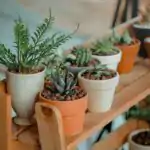
- Plants: These are living things that usually stay in one place, make their own food, and have roots, stems, and leaves. Examples are trees, flowers, grass, and vegetables.
- Animals: These are living things that can move from one place to another, eat other living things for food, and have different body parts like legs, wings, or fins. Examples are dogs, cats, birds, fish, and insects.
2. Grouping by Where They are Found (Habitat)
We can also group living things by where they live or are found.
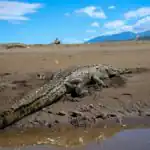
- Land Animals: Animals that live on land, like dogs, cats, goats.
- Water Animals: Animals that live in water, like fish, crabs.
- Air Animals: Animals that fly in the air, like birds, butterflies.
- Plants on Land: Most trees, flowers, and grasses grow on land.
- Plants in Water: Some plants, like water lilies, grow in water.
3. Grouping by Other Visible Features
Sometimes, we can group living things by other things we see about them.
- Size: Big animals (elephant) or small animals (ant).
- Movement: Animals that walk (dog), fly (bird), or swim (fish).
- Covering: Animals with fur (cat), feathers (chicken), or scales (fish).
Teaching Methods/Instructional Techniques
Discussion, Demonstration, Guided Practice, Question and Answer, Explanation, Observation, Group Work, Practical Activity
Instructional Procedures
Step 1: Introduction
Time: 5 minutes
Teaching Skill: Recalling/Engaging
Teacher’s Activity: The teacher greets the pupils and asks them to recall some living things they learned about in the previous lesson. The teacher also asks what makes something a living thing.
Pupils’ Activity: Pupils greet the teacher and mention examples of living things (e.g., dog, tree, human). They state some characteristics of living things (e.g., they grow, move).
Learning Point: Previous lesson recall
Step 2: Explanation of Living Things
Time: 7 minutes
Teaching Skill: Explanation/Reinforcement
Teacher’s Activity: The teacher briefly reviews the meaning of living things and their characteristics, using simple language and examples. The teacher holds up pictures of a plant and an animal and asks pupils to identify them as living things.
Pupils’ Activity: Pupils listen attentively and identify the pictures as living things, stating reasons why.
Learning Point: Characteristics of living things
Step 3: Introduction to Grouping
Time: 7 minutes
Teaching Skill: Discussion/Concept Introduction
Teacher’s Activity: The teacher asks pupils if all living things are the same. The teacher explains that because there are so many different living things, we can put them into groups to make them easier to understand. The teacher introduces the idea of grouping.
Pupils’ Activity: Pupils respond to the teacher’s questions and listen to the explanation about grouping.
Learning Point: Importance of grouping
Step 4: Grouping into Plants and Animals
Time: 8 minutes
Teaching Skill: Demonstration/Guided Practice
Teacher’s Activity: The teacher displays a large sorting chart or uses two distinct areas on the board/floor labelled “Plants” and “Animals”. The teacher picks up a picture card (e.g., a tree) and places it under “Plants”, explaining why. Then the teacher picks another (e.g., a dog) and places it under “Animals”, explaining why. The teacher asks pupils to help sort a few more cards.
Pupils’ Activity: Pupils observe the teacher’s demonstration and participate by suggesting where to place the picture cards, giving simple reasons.
Learning Point: Plants and animals grouping
Step 5: Grouping by Other Features (Habitat)
Time: 7 minutes
Teaching Skill: Explanation/Questioning
Teacher’s Activity: The teacher introduces other simple ways to group living things, such as by where they live (land, water, air). The teacher shows pictures of a fish, a bird, and a goat, asking where each lives and how we can group them based on that.
Pupils’ Activity: Pupils identify where the animals live and suggest grouping them by habitat.
Learning Point: Grouping by habitat
Step 6: Practical Grouping Activity
Time: 7 minutes
Teaching Skill: Practical Application/Group Work
Teacher’s Activity: The teacher divides pupils into small groups and gives each group a set of mixed picture cards of familiar living things. The teacher instructs them to sort the cards into “Plants” and “Animals” categories, or by “Land”, “Water”, “Air” if time permits. The teacher monitors and assists.
Pupils’ Activity: Pupils work in groups to sort the picture cards into the instructed categories, discussing with their group members.
Learning Point: Practical grouping skills
Step 7: Evaluation/Review
Time: 5 minutes
Teaching Skill: Questioning/Assessment
Teacher’s Activity: The teacher evaluates the learning by asking the following questions:
- Name two living things that are plants.
- Name two living things that are animals.
- How can we group a fish?
- Show me a picture of an animal and a picture of a plant.
Pupils’ Activity: Pupils answer orally and in writing.
Learning Point: Grouping living things
Step 8: Note-Taking
Time: 4 minutes
Teaching Skill: Guided Writing
Teacher’s Activity: The teacher guides pupils to copy the essential Board Summary notes on grouping living things into their notebooks.
Pupils’ Activity: Pupils copy the notes carefully into their notebooks.
Learning Point: Grouping notes copied
Step 9: Conclusion
Time: 5 minutes
Teaching Skill: Summarising/Consolidation
Teacher’s Activity: The teacher praises the pupils for their participation and summarises the main points of the lesson, reminding them that living things can be grouped into plants and animals, and also by where they live. The teacher encourages them to observe living things around them and try to group them.
Pupils’ Activity: Pupils listen and participate in a final brief discussion.
Learning Point: Living things grouping consolidated
Continuous Assessment/Further Study
Type: Homework / Practice Exercise
Instruction: Observe the living things around your home and school. In your notebook, draw and name:
- Two plants you see.
- Two animals you see.
- One animal that lives on land.
- One animal that lives in water.
- One plant that grows on land.
Lesson Keywords
- Living things – Things that grow, move, eat, and breathe.
- Grouping – Putting things together that are alike in some way.
- Plants – Living things that make their own food and usually stay in one place.
- Animals – Living things that move around and eat other living things.
- Habitat – The natural home or environment of an animal, plant, or other organism.
Differentiation
For weaker learners: Provide fewer picture cards for sorting and offer more direct guidance. Focus primarily on the plant and animal grouping. Use very familiar examples.
For faster learners: Encourage them to think of more ways to group living things (e.g., by what they eat, by number of legs) or to name more examples for each group.
Suggested Lesson Videos
For further understanding, search on YouTube for: “Primary 1 grouping living things” or “Kids learn about plants and animals”
Teacher Guide for Using This Lesson Plan
Before the lesson, ensure you have a good collection of clear, colourful picture cards of familiar plants and animals. Prepare the sorting chart or designated areas for grouping. Begin by engaging pupils with a quick recall of previous knowledge about living things. Clearly demonstrate the grouping process, starting with plants and animals, then gradually introducing grouping by habitat. Encourage active participation during the sorting activities, allowing pupils to discuss and justify their choices. Observe pupils during group work to identify those who may need extra support or those who can be challenged further. Ensure pupils copy the Board Summary notes accurately into their exercise books during the note-taking stage. Conclude by reinforcing the main concept of classification and its usefulness.
Community Join the conversation Open discussion +