

Note for teachers using this lesson plan
This lesson introduces Primary 1 pupils to the concept of soil and helps them identify it in their immediate environment. Prepare safe soil samples (sandy, clay, loamy) and ensure handwashing facilities are available. By the end of the lesson, learners should be able to explain what soil is and point out where it can be found around them.
Class: Primary One
Term: First Term
Week: 8
Age: 6 years
Duration: 40 minutes
Subject: Basic Science
Curriculum Theme: Our Environment
Focal competence: Exploring and identifying other components of the surroundings such as air, water and soil
Key competencies/values: Environmental Literacy; Research and Problem Solving
Skills:
- Observation
- Identification
- Explanation
Previous Lesson: Water and Its Common Sources
Topic: Soil
Subject Matter: Meaning of soil, identifying soil in the surroundings
Specific Objectives
By the end of the lesson, pupils/students should be able to:
Cognitive Domain
- Explain the meaning of soil.
- Identify soil as a part of their surroundings.
Affective Domain
- Appreciate soil as an important part of the environment.
Psychomotor Domain
- Point out places where soil is found.
- Observe a soil sample.
Reference Materials
The following resources were used in planning this lesson:
- 2025 Revised 9 Years Basic Education Curriculum
- Relevant State Unified Scheme of Work
- Basic Science for Primary 1 Textbook
- The HeadTeacher Scheme of work
Instructional Materials
The teacher will teach this lesson with the aid of:
- Samples of sandy, clay and loamy soil
- Trays
- Spoons
- Handwashing materials (soap and water)
- Pictures of different types of soil
- Charts showing uses of soil
Rationale for the Lesson
This lesson helps pupils understand a fundamental component of their natural environment: soil. Recognizing soil and its importance lays a basic foundation for understanding plant growth, animal habitats, and human activities like farming and building. It connects classroom learning to their immediate surroundings.
Prerequisite/Previous Knowledge
Pupils are familiar with different parts of their immediate environment like plants, animals, and water bodies.
Lesson Content/Board Summary
Soil
Meaning of Soil
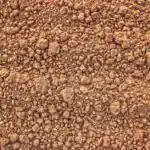
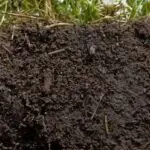
Soil is the loose, soft material that covers the ground. It is usually brown or black in colour.
Where Soil Is Found
Soil is found in many places around us. Some examples are:
- On the ground in our compounds.
- In gardens and farms where plants grow.
- Under trees and bushes.
- Along roadsides and paths.
Things Found in Soil
When we look closely at soil, we can find different things in it. Some examples include:
- Small stones and pebbles.
- Tiny pieces of dead leaves and plants.
- Small insects like ants and worms.
- Roots of plants.
- Water.
Uses of Soil
Soil is very important to plants, people, and animals. Its uses include:
- For Plants: Plants grow in soil. Soil gives plants water and food to grow big and strong.
- For Animals: Many animals live in the soil, such as earthworms, ants, and moles. Some animals also find food in the soil.
- For People: People use soil for farming to grow food crops. We also build our houses, schools, and roads on soil.
Teaching Methods/Instructional Techniques
Discussion, Demonstration, Guided Practice, Question and Answer, Explanation, Observation, Practical Activity
Instructional Procedures
Step 1: Introduction
Time: 5 minutes
Teaching Skill: Questioning/Engagement
Teacher’s Activity: The teacher greets the pupils and asks them what they see when they look down at the ground outside the classroom. The teacher then introduces the topic “Soil”.
Pupils’ Activity: Pupils respond to the teacher’s questions and listen to the introduction.
Learning Point: Introduction to soil
Step 2: Meaning of Soil
Time: 7 minutes
Teaching Skill: Explanation/Demonstration
Teacher’s Activity: The teacher shows the pupils a safe soil sample in a tray and explains that it is soil. The teacher defines soil as the loose material on the ground and describes its common colours (brown/black).
Pupils’ Activity: Pupils observe the soil sample and listen to the explanation.
Learning Point: Meaning of soil
Step 3: Identifying Soil in the Surroundings
Time: 8 minutes
Teaching Skill: Observation/Guided Practice
Teacher’s Activity: The teacher takes the pupils to a safe part of the school surroundings (e.g., school garden, under a tree) and points out soil. The teacher asks pupils to identify where soil is found around them.
Pupils’ Activity: Pupils observe and point out soil in the school surroundings.
Learning Point: Places soil is found
Step 4: Things Found in Soil
Time: 7 minutes
Teaching Skill: Observation/Discussion
Teacher’s Activity: The teacher encourages pupils to look closely at the soil sample in the tray (or a small patch of soil outside) using spoons. The teacher asks them what small things they can see in the soil, guiding them to identify stones, dead leaves, and tiny insects.
Pupils’ Activity: Pupils observe the soil sample and mention things they see in it.
Learning Point: Contents of soil
Step 5: Uses of Soil
Time: 5 minutes
Teaching Skill: Explanation/Questioning
Teacher’s Activity: The teacher explains the importance of soil to plants (for growth), animals (for shelter), and people (for farming and building). The teacher may use pictures or charts to illustrate these uses.
Pupils’ Activity: Pupils listen and contribute simple ideas about how soil is used.
Learning Point: Importance of soil
Step 6: Simple Observation of a Soil Sample
Time: 3 minutes
Teaching Skill: Practical Activity
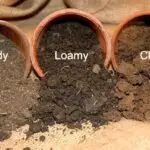
Teacher’s Activity: The teacher allows pupils to gently touch the soil samples (sandy, clay, loamy) in separate trays, describing how each feels. The teacher reminds them to be gentle and not put soil in their mouths.
Pupils’ Activity: Pupils gently touch and feel the different soil samples.
Learning Point: Soil texture differences
Step 7: Evaluation/Review
Time: 5 minutes
Teaching Skill: Questioning/Assessment
Teacher’s Activity: The teacher evaluates the learning by asking the following questions:
- What is soil?
- Mention two places where soil is found.
- Name one thing you can find in soil.
- State one use of soil.
Pupils’ Activity: Pupils answer orally and in writing.
Learning Point: Identifying soil features
Step 8: Conclusion
Time: 2 minutes
Teaching Skill: Summarization
Teacher’s Activity: The teacher summarizes the lesson by reminding pupils that soil is important for plants, animals, and people. The teacher reminds pupils to wash their hands thoroughly after handling soil.
Pupils’ Activity: Pupils listen to the summary and prepare for handwashing.
Learning Point: Soil importance consolidated
Lesson Keywords
- Soil – The loose material on the ground.
- Ground – The surface of the earth.
- Surroundings – The area around us.
- Garden – A place where plants are grown.
- Farm – A place where crops are grown.
Differentiation
Support for weaker learners: Provide more direct guidance during outdoor observation and allow them to focus on identifying just one or two key features of soil. Use simple, repetitive questions.
Extension for faster learners: Encourage them to draw pictures of soil and things found in it, or to name more uses of soil beyond those discussed.
Suggested Lesson Videos
For further understanding, search on YouTube for: meaning of soil for primary 1 nigeria
Teacher Guide for Using This Lesson Plan
Before the lesson, gather different soil samples (sandy, clay, loamy) in separate trays. Ensure they are safe and free from sharp objects. Have spoons ready for observation and ensure soap and water are available for handwashing after the practical activity. Begin by engaging pupils with questions about what they see on the ground. When defining soil, use simple language and show the physical samples. The outdoor activity (Step 3) is crucial for making the concept concrete; ensure a safe, accessible area is chosen. Guide pupils to observe closely during Step 4, prompting them with questions about texture and visible components. When discussing uses of soil, relate them to pupils’ everyday experiences (e.g., where their food comes from, where their house is built). Allow pupils to copy the Board Summary after the main teaching points have been covered and understood. Constantly check for understanding through simple questions and observation of their engagement. Emphasize the importance of hand hygiene after any contact with soil.

Community Join the conversation Open discussion +