

Class: Primary One
Term: second Term
Subject: Basic Science and Technology
Curriculum Theme: Basic Science
Previous Lesson: Movement, Throwing, Catching and Kicking of Objects
Topic: Safe Use of Simple Machines
Content/Learning Area: What is Safe Use?, Some of the dangers of using simple machines, How to use Simple Machines safely
Time allocation: 40 minutes
Performance Objectives
By the end of the lesson, pupils should be able to:
- Cognitive Domain:
- Identify potential dangers when using simple machines.
- Explain the concept of safe use of simple machines.
- List safety guidelines for using simple machines.
- Psychomotor domain:
- Demonstrate the proper way to use simple machines.
- Affective Domain:
- show awareness of safety precautions when handling simple machines.
- value the importance of safe practices when using simple machines.
- Social Domain:
- Cooperate with others when using simple machines.
Reference Materials
- 9 – Years Basic Education Curriculum
- Abuja Educational Resource Center Scheme of Work
- NAPPS National Unified Scheme of Work
- Relevant Textbooks
Instructional Materials
To deliver this lesson,the teacher will use the following materials:
- Charts showing simple machines and their safe usage.
- Pictures illustrating safe and unsafe practices.
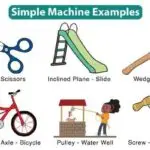
- Simple machines (e.g., lever, pulley, wheel and axle).
Rationale for the Lesson
Understanding the safe use of simple machines is crucial for preventing accidents and ensuring the longevity of these tools.This lesson provides a foundation for safe practices that will be applicable throughout their lives.
Prerequisite/Previous Knowledge
The teacher will begin by asking pupils about their experiences with simple machines, prompting them to share examples from their daily lives. A brief discussion about the helpfulness of simple machines will lead into the importance of safe usage.
Lesson Content
The Safe Use of Simple Machines
Simple machines are tools that make work easier. It’s vital to use them safely to avoid accidents.
What is Safe use?
Safe use refers to using a simple machine without putting yourself or others at risk. This involves following safety rules and being aware of potential hazards.
Some of the dangers of using simple machines include:
These include:
- Getting caught in moving parts (e.g., pulleys, wheels).
- being hit by falling objects (e.g., levers).
- Overloading the machine beyond its capacity.
- Using the machine for unintended purposes.
- Lack of proper training or supervision.
- Operating machines without safety guards.
How to Use Simple Machines Safely
These include:
- Always follow safety instructions.
- Inspect the machine for damage before use.
- Use the machine only for its intended purpose.
- Be aware of your surroundings.
- Never use a machine if tired or distracted.
- Always seek adult supervision when needed.
- Wear appropriate safety gear, such as gloves or goggles.
- Ensure the work area is clear of obstructions.
Teaching methods
To deliver this lesson, the teacher will adopt the following methods: Discussion, Presentation, Question and Answer
Instructional Procedures
To deliver this lesson, the teacher will adopt the following steps:
Step 1: Introduction (Set Induction)
Time: 5 minutes
Teaching Skill: Questioning
Teacher’s Activity: Ask pupils about their experiences with simple machines and introduce the topic of safe usage.
Pupils’ Activity: Share their experiences and listen attentively.
Step 2: Description of Key Concepts
Time: 10 minutes
Teaching Skill: Explanation
Teacher’s Activity: Explain the meaning of “safe use” and discuss potential dangers.
Pupils’ Activity: listen and participate in discussions.
Step 3: Exhibition/Guided Practice
Time: 10 minutes
Teaching Skill: Demonstration
Teacher’s Activity: Demonstrate safe and unsafe practices using simple machines.
Pupils’ Activity: Observe and participate in guided practice.
Step 4: Autonomous Practice
Time: 5 minutes
Teaching Skill: Monitoring
Teacher’s activity: Supervise pupils as they practice using simple machines safely.
pupils’ Activity: Practice using simple machines independently.
Step 5: Note-taking
Time: 5 minutes
Teaching Skill: Note-taking
Teacher’s Activity: Guide pupils in taking notes on key safety guidelines.
Pupils’ Activity: Take notes on key safety guidelines.
Step 6: Evaluation/Review
Time: 5 minutes
Teaching Skill: Questioning
Teacher’s Activity: Ask evaluation questions to assess understanding.
Pupils’ activity: Answer evaluation questions.
Objective-aligned checks:
- Identify potential dangers when using simple machines.
- Explain the concept of safe use of simple machines.
- List safety guidelines for using simple machines.
Step 7: Conclusion
Time: 2 minutes
Teaching Skill: Summarizing
Teacher’s Activity: Summarize the key safety guidelines and encourage pupils to practice safe use of simple machines in their daily lives.
Pupils’ Activity: Listen attentively and ask questions.
Lesson Keywords
- Simple Machines – Tools that make work easier.
- Safe Use – Using a machine without putting yourself or others at risk.
- Hazards – Potential dangers or risks.
- Safety Guidelines – Rules to follow to prevent accidents.
- Supervision – Guidance and monitoring by an adult.
lesson Evaluation
To evaluate the learning,the teacher asks pupils to:
- What are some dangers of using simple machines?
- List some safety guidelines for using simple machines.
- What should you do if you see a potential danger?
- Why is safe use of simple machines important?
- Give an example of safe simple machine use.
Assignment/Homework
- Draw a simple machine and label its parts.
- List three safety rules for using simple machines at home.
- Ask an adult about a time they used a simple machine safely.
Differentiation
- for slower learners: Provide one-on-one assistance and use simpler language.
- For advanced learners: Challenge with additional research on specific simple machines and their safety features.
- For visual/auditory/kinesthetic learners: Use visual aids, verbal explanations, and hands-on activities to cater to different learning styles.
Note for Teachers
Ensure to emphasize the importance of practical demonstrations and real-life examples to reinforce the concept of safe use. Encourage pupils to ask questions and share their experiences to create an engaging and interactive learning habitat.


Community Join the conversation Open discussion +