

Class: Primary two
Term: Third Term
Subject: Basic Science and Technology
Curriculum Theme: Basic science
Previous Lesson: Definition of Water and Sources of Water
topic: Uses of Water
Content/Learning Area: what is Water?,Uses of Water,Importance of Water Conservation
Time Allocation: 40 minutes
Performance Objectives
By the end of the lesson,pupils should be able to:
- Cognitive Domain:
1. List at least five uses of water.
2. Explain the importance of water in daily life.
3. Describe how water is used in homes and communities.
- Affective Domain:
1. Appreciate the importance of water conservation.
- Psychomotor Domain:
1. Demonstrate water conservation techniques.
- Social Domain:
1. discuss ways to conserve water with peers.
Reference Materials
- 9 – Years Basic Education Curriculum
- Abuja Educational Resource Center Scheme of Work
- NAPPS National Unified Scheme of Work
- Relevant Textbooks
Instructional Materials
To deliver this lesson, the teacher will employ the help of the following materials:
- Whiteboard or chart
- Markers or chalk
- Pictures or illustrations of water uses
Rationale for the Lesson
Understanding the uses of water is crucial for appreciating its value and promoting responsible water conservation habits. This lesson lays the foundation for future lessons on environmental science and responsible citizenship.
Prerequisite/Previous Knowledge
The teacher will start by asking pupils what they know about water, prompting a brief discussion to gauge their prior knowledge and engage them in the topic.A fast review of the previous lesson on the importance of water will also be done.
lesson Content
What is Water?
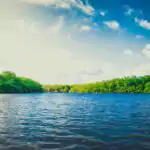
Water is a clear liquid vital for all living things. It covers most of the Earth’s surface and is found in oceans, lakes, rivers, and underground.
Uses of Water
Water is used in various ways to support life and different activities.These include:
- Drinking: We drink water to stay healthy. It helps our bodies function properly.
- Washing: We use water to wash ourselves, clothes, and dishes, maintaining hygiene.
- Cooking: Water is essential for cooking,boiling,steaming,and simmering food.
- Cleaning: Water helps remove dirt and germs from homes, schools, and hospitals. It helps remove dirt and germs.
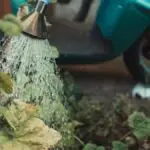
- Gardening: Plants and crops need water to grow.
- Industrial Uses: Factories use water for manufacturing, cooling, cleaning, and transporting materials.
- Recreation: Water is used for swimming, boating, and fishing.
- Agriculture: Farmers use water to irrigate crops, ensuring food production.
- Firefighting: Firefighters use water to extinguish fires and protect lives and property.
importance of Water Conservation
Saving water is crucial to ensure enough for everyone. We can save water by:
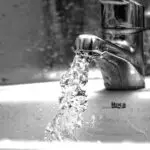
- Turning off taps when not in use.
- Fixing leaks promptly.
- Taking shorter showers.
- Using the right amount of water for laundry.
- Watering plants efficiently.
- Collecting rainwater for non-potable uses like watering plants and washing cars.
- Using water-efficient appliances and fixtures, such as low-flow showerheads and toilets.
- Educating others about the importance of water conservation and encouraging them to adopt water-saving practices.
Teaching methods
To deliver this lesson, the teacher will adopt the following methods: Discussion, Question and answer, Exhibition
Instructional Procedures
To deliver this lesson, the teacher will adopt the following steps:
Step 1: Introduction
Time: 5 minutes
Teaching Skill: Set Induction
teacher’s Activity: Ask pupils what they know about water and its importance.
Pupils’ Activity: Respond to the teacher’s questions, sharing their prior knowledge.
Step 2: Description of Key Concepts
Time: 10 minutes
Teaching Skill: Explaining
Teacher’s Activity: Explain the different uses of water, using visuals and examples.
Pupils’ Activity: Listen attentively and ask clarifying questions.
Step 3: Demonstration/Guided Practice
Time: 10 minutes
Teaching Skill: Demonstrating
Teacher’s Activity: Demonstrate water conservation techniques, such as turning off the tap while brushing teeth.
Pupils’ Activity: Observe the demonstration and practice the techniques.
Step 4: Autonomous Practice
Time: 5 minutes
Teaching Skill: Monitoring
Teacher’s Activity: Guide pupils as they work individually or in groups on activities related to water conservation.
Pupils’ Activity: Complete the assigned activities.
Step 5: Note-Taking
Time: 5 minutes
Teaching skill: Note-taking
Teacher’s activity: Guide pupils in taking notes on the key points of the lesson.
Pupils’ Activity: Write down the main points of the lesson.
Step 6: Evaluation/Review
Time: 5 minutes
Teaching Skill: Questioning
Teacher’s Activity: Ask review questions to assess understanding.
Pupils’ Activity: Answer the review questions.
Objective-aligned checks:
- List at least five uses of water.
- Explain the importance of water in daily life.
- Describe how water is used in homes and communities.
Step 7: Conclusion
Time: 5 minutes
Teaching Skill: Summarizing
Teacher’s Activity: Summarize the key points about the uses of water and the importance of conservation, emphasizing the role each pupil can play in saving water.
Pupils’ Activity: listen to the summary and ask any remaining questions.
Lesson Keywords
- Water – A clear, odorless, and tasteless liquid essential for life.
- conservation – The act of preserving and protecting natural resources, including water.
- Hygiene – Practices that promote cleanliness and health.
- Irrigation – The supply of water to land or crops to help growth, typically by means of channels.
- Manufacturing – the process of producing goods on a large scale using machinery.
Lesson Evaluation
To evaluate the learning, the teacher asks pupils to:
- Name two ways we use water at home.
- Why is saving water critically important?
- Show one way you can save water daily.
- What othre uses of water can you think of?
- How can we conserve water at school?
Assignment/Homework
- List five ways you can conserve water at home.
- Draw a picture showing one way water is used in your community.
- Ask your parents how they save water and share it in the next class.
Differentiation
- For slower learners: Provide one-on-one assistance and simplified explanations.
- For advanced learners: Encourage them to research additional uses of water and present their findings to the class.
- For visual/auditory/kinesthetic learners: Use visual aids, discussions, and hands-on activities to cater to different learning styles.
Note for Teachers
Ensure to use real-life examples and demonstrations to make the lesson engaging and relatable for the pupils. Encourage active participation and provide positive reinforcement to build their confidence.

Community Join the conversation Open discussion +