

Class: Primary One
Term: First Term
subject: Pre-vocational Studies
curriculum theme: Agricultural Science
Previous Lesson: Air and its Uses, Description of Air
Topic: Water and its uses
Content/Learning Area: What is Water?, Sources of Water
Time Allocation: 40 minutes
Performance Objectives
By the end of the lesson, pupils should be able to:
- Cognitive Domain:
- Define water and list its various sources.
- Explain the importance of water for living things.
- Psychomotor Domain:
- Identify different sources of water from pictures or real-life examples.
- Affective Domain:
- Show recognition for the importance of water conservation.
- Social Domain:
- Discuss ways to conserve water with peers.
Reference Materials
- 9 – Years basic Education curriculum
- Abuja Educational Resource center scheme of Work
- NAPPS National Unified scheme of work
- Relevant Textbooks
Instructional Materials
To deliver this lesson, the teacher will use the following materials:
- Whiteboard or chart
- Markers or chalk
- Pictures of different water sources (rivers, lakes, rain, wells, taps)
Rationale for the Lesson
Understanding water sources and their importance is crucial for developing responsible environmental practices and appreciating the necessity of water conservation for a healthy life and enduring future.
Prerequisite/Previous Knowledge
The teacher will start by asking pupils what they drink to quench their thirst,leading into a discussion about the importance of water.The teacher will then show pictures of different water sources to engage pupils’ prior knowledge.
Lesson Content
What is Water?
Water is a clear liquid vital for all living things, including plants, animals, and humans. ItS found in rivers, lakes, oceans, and even the air. We use water for drinking, growing food, and staying healthy.Living things need water to survive.
Sources of Water
Sources of water are places where water naturally exists or from which water can be obtained. These include:
- Rivers: Flowing water bodies starting in mountains, flowing to lakes or oceans. Used for drinking, irrigation, and transport.
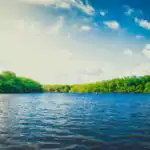
- Lakes: Large bodies of water surrounded by land, formed by glaciers or rivers. Used for drinking, fishing, and recreation.
- Rain: Water falling from the sky. Replenishes rivers, lakes, and groundwater, vital for plants and animals.
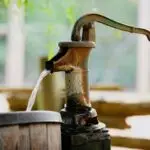
- Wells: Holes dug to reach groundwater (water stored underground). Used for drinking, irrigation, and industry.
- Taps: Faucets connected to water pipes bringing water from sources to homes and businesses. Provide clean water for drinking, cooking, and cleaning.
- Streams: Small, flowing bodies of fresh water. They are ofen tributaries to larger rivers and provide habitats for various aquatic organisms.
- Oceans: Vast bodies of saltwater that cover most of the Earth’s surface.They influence weather patterns, support marine life, and are used for transportation and recreation.
Teaching Methods
To deliver this lesson, the teacher will adopt the following methods: Discussion, Question and Answer, Show and Tell.
Instructional Procedures
To deliver this lesson, the teacher will adopt the following steps:
Step 1: Introduction
Time: 5 minutes
Teaching Skill: Set Induction
Teacher’s Activity: Asks pupils what they drink to quench their thirst. Shows pictures of different water sources.
Pupils’ Activity: Respond to teacher’s questions and observe the pictures.
Step 2: Explanation of Key Concepts
Time: 10 minutes
Teaching Skill: Explaining
Teacher’s Activity: Explains what water is and its importance.
Pupils’ Activity: Listen attentively and ask questions.
Step 3: exhibition/Guided Practice
Time: 10 minutes
Teaching Skill: Demonstrating
Teacher’s Activity: Shows pictures of different water sources and explains each one.Pupils’ activity: Identify and name the water sources.
Step 4: autonomous Practice
Time: 5 minutes
Teaching Skill: Monitoring
Teacher’s Activity: Asks pupils to name different sources of water.
Pupils’ Activity: Name different sources of water.
Step 5: Note-Taking
Time: 5 minutes
Teaching Skill: Guiding
Teacher’s Activity: Guides pupils in writing down key points about water sources.
Pupils’ Activity: Write down key points.
Step 6: Evaluation/Review
Time: 5 minutes
Teaching Skill: Questioning
Teacher’s Activity: Asks evaluation questions.Pupils’ Activity: Answer evaluation questions.
Objective-aligned checks:
- Define water and list its various sources.
- Explain the importance of water for living things.
- Identify different sources of water from pictures or real-life examples.
Step 7: Conclusion
Time: 5 minutes
Teaching Skill: Summarizing
Teacher’s Activity: Summarizes the key points about water and its uses, emphasizing the importance of water conservation and responsible water usage. assigns a short homework activity where pupils draw their favorite water source.
Pupils’ Activity: Listen to the summary and note the homework assignment.
Lesson Keywords
- Water – A clear, odorless, tasteless liquid essential for life.
- Rivers – Natural flowing watercourse, usually freshwater, flowing towards an ocean, lake, or another river.
- Lakes – A large body of water surrounded by land.
- Rain – Water falling in drops from vapor condensed in the atmosphere.
- Wells – A deep hole dug or drilled to reach a supply of water.
- Taps – A device by which a flow of liquid or gas from a pipe or container can be controlled; a faucet.
Lesson Evaluation
To evaluate the learning, the teacher asks pupils to:
- What is water?
- name three sources of water.
- How do we use water daily?
- Why is water critically important for living things?
- How can we save water?
Assignment/Homework
- Draw your favorite water source.
- List three ways you can save water at home.
Differentiation
- For slower learners: The teacher will provide one-on-one assistance and use simpler language.
- for advanced learners: The teacher will encourage them to research additional information about water conservation.
- for visual learners: Use more pictures and diagrams to illustrate the lesson.
Note for Teachers
Ensure to use visual aids and real-life examples to make the lesson more engaging for the pupils.Emphasize the importance of water conservation in simple terms that they can understand.
Community Join the conversation Open discussion +