

Note for teachers using this lesson plan
This lesson introduces Primary 1 pupils to the basic concept of energy by showing them familiar examples of things that need energy to work. Prepare visual aids like pictures or real items to make the concept concrete and encourage pupils to share their own observations. By the end of the lesson, pupils should be able to identify and give examples of various items that use energy from different sources.
Class: Primary One
Term: Second Term
Week: 9
Age: 6 years
Duration: 45 minutes
Subject: Basic Science
Curriculum Theme: Energy
Focal competence: Demonstrating the use of various forms of energy in everyday activities
Key competencies/values: Communication; Environmental Literacy
Skills:
- Giving examples of things that use energy
Previous Lesson: Energy and Familiar Examples
Topic: Energy: Things That Use Energy
Subject Matter: Examples of things that use energy
Specific Objectives
By the end of the lesson, pupils should be able to:
Cognitive Domain
- Identify things that use energy.
- Give examples of things that use energy.
Affective Domain
- Appreciate the importance of energy in daily life.
Psychomotor Domain
- Point to and name items that use energy.
Reference Materials
The following resources were used in planning this lesson:
- 2025 Revised 9 Years Basic Education Curriculum
- Relevant State Unified Scheme of Work
- A suitable Basic Science textbook for Primary 1
- The HeadTeacher Scheme of work
Instructional Materials
The teacher will teach this lesson with the aid of:
- Pictures/charts of people, animals and machines (e.g., car, fan, torchlight, child eating, child running)
- Real examples of objects that use energy (e.g., a battery, a small toy car, a torchlight)
- Optional short video showing things using energy
Rationale for the Lesson
This lesson helps pupils understand that energy is essential for everything to work and move, including themselves. By identifying common items that use energy, pupils begin to connect abstract scientific concepts to their everyday experiences. This foundational knowledge supports future learning about different forms of energy and their applications.
Prerequisite/Previous Knowledge
Pupils can identify common objects around them and understand that some things move or work while others do not.
Lesson Content/Board Summary
Energy: Things That Use Energy
Energy is what makes things work, move, or grow. Everything that moves or works needs energy.
Examples of Things That Use Energy
Many things around us need energy to do their work. The energy comes from different places.
- Our Bodies (Food Energy):Our bodies need energy to play, run, learn, and grow. This energy comes from the food we eat.
- People
- Animals
- Electrical Devices (Electrical Energy):Many machines use electricity to work. Electricity is a type of energy.
- Television
- Fan
- Radio
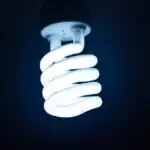
- Light bulb
- Blender
- Vehicles (Fuel Energy):Vehicles need fuel like petrol or diesel to move from one place to another.
- Car
- Motorcycle
- Bus
- Aeroplane
- Other Things That Use Energy:Some things use energy from the sun or from batteries.
- Sun-powered examples:
- Solar calculator
- Solar lamp
- Battery-powered examples:
- Torchlight
- Toy car
- Remote control
- Sun-powered examples:
Matching Objects with Their Energy Source
It is important to know where each object gets its energy from.
- A child playing uses food energy.
- A fan working uses electrical energy.
- A car moving uses fuel energy.
- A torchlight working uses battery energy.
- A solar lamp uses sun energy.
Teaching Methods/Instructional Techniques
Discussion, Demonstration, Question and Answer, Explanation, Observation, Guided Practice
Instructional Procedures
Step 1: Introduction
Time: 5 minutes
Teaching Skill: Activating Prior Knowledge
Teacher’s Activity: The teacher greets the pupils and asks them what makes them able to play and run. The teacher also asks what makes a car move or a fan turn.
Pupils’ Activity: Pupils respond by saying “food” for themselves and “petrol” or “electricity” for machines.
Learning Point: Importance of energy
Step 2: Meaning of Energy
Time: 5 minutes
Teaching Skill: Explanation
Teacher’s Activity: The teacher explains in simple terms that what makes us play, or a car move, or a fan turn is called “energy”. The teacher defines energy as what makes things work or move.
Pupils’ Activity: Pupils listen attentively and repeat the word “energy”.
Learning Point: Definition of energy
Step 3: Human Body and Food Energy
Time: 7 minutes
Teaching Skill: Demonstration/Discussion
Teacher’s Activity: The teacher shows pictures of people and animals eating and then playing. The teacher explains that food gives us energy to do things. The teacher asks pupils to name foods that give them energy.
Pupils’ Activity: Pupils identify people and animals in pictures and name foods that give them energy.
Learning Point: Food as energy source
Step 4: Electrical Devices and Electrical Energy
Time: 7 minutes
Teaching Skill: Visual Aids/Examples
Teacher’s Activity: The teacher shows pictures of electrical appliances like a fan, TV, or light bulb. The teacher explains that these things use electrical energy to work. The teacher asks pupils to name other electrical devices they know.
Pupils’ Activity: Pupils identify electrical devices and give more examples from their homes.
Learning Point: Electrical energy users
Step 5: Vehicles and Fuel Energy
Time: 6 minutes
Teaching Skill: Picture Analysis
Teacher’s Activity: The teacher shows pictures of different vehicles like a car, bus, and motorcycle. The teacher explains that these vehicles need fuel (like petrol) to move. The teacher asks pupils what makes a car move.
Pupils’ Activity: Pupils identify vehicles and state that fuel makes them move.
Learning Point: Fuel energy for vehicles
Step 6: Sun-powered or Battery-powered Examples
Time: 5 minutes
Teaching Skill: Practical Examples
Teacher’s Activity: The teacher shows a torchlight or a toy car and asks how it works. The teacher explains that some things use batteries or the sun for energy, providing examples like solar lamps or remote controls.
Pupils’ Activity: Pupils observe the items and mention batteries or the sun as energy sources.
Learning Point: Battery and sun energy
Step 7: Evaluation/Review
Time: 5 minutes
Teaching Skill: Questioning/Assessment
Teacher’s Activity: The teacher evaluates the learning by asking the following questions:
- What is energy?
- Name two things that use food energy.
- Give two examples of things that use electrical energy.
- What kind of energy does a car use to move?
Pupils’ Activity: Pupils answer orally and in writing.
Learning Point: Identification of energy users
Step 8: Note-Taking
Time: 4 minutes
Teaching Skill: Guided Writing
Teacher’s Activity: The teacher guides pupils to copy the essential Board Summary notes on things that use energy into their notebooks.
Pupils’ Activity: Pupils copy the notes carefully into their notebooks.
Learning Point: Recording lesson summary
Step 9: Conclusion
Time: 1 minute
Teaching Skill: Consolidation
Teacher’s Activity: The teacher briefly reminds pupils that everything that works or moves needs energy, and this energy comes from different sources like food, electricity, fuel, batteries, or the sun.
Pupils’ Activity: Pupils listen and affirm their understanding.
Learning Point: Energy sources recap
Continuous Assessment/Further Study
Type: Homework / Practice Exercise
Instruction: Look around your home and list five things that use energy. For each item, write down what kind of energy it uses.
- _____________________ – (e.g., Food, Electrical, Fuel, Battery, Sun)
- _____________________ – (e.g., Food, Electrical, Fuel, Battery, Sun)
- _____________________ – (e.g., Food, Electrical, Fuel, Battery, Sun)
- _____________________ – (e.g., Food, Electrical, Fuel, Battery, Sun)
- _____________________ – (e.g., Food, Electrical, Fuel, Battery, Sun)
Lesson Keywords
- Energy – what makes things work or move
- Food Energy – energy from food, used by people and animals
- Electrical Energy – energy from electricity, used by machines
- Fuel Energy – energy from fuel like petrol, used by vehicles
- Battery Energy – energy from batteries, used by small devices
- Sun Energy – energy from the sun, used by solar devices
Differentiation
Support for weaker learners: Provide pre-labelled pictures of items and their energy sources for matching. Allow them to identify items by pointing rather than naming if speaking is difficult. Focus on 2-3 main examples.
Extension for faster learners: Challenge them to think of less common items that use energy or to explain why a particular item needs a specific type of energy.
Suggested Lesson Videos
For further understanding, search on YouTube for: primary 1 things that use energy
Teacher Guide for Using This Lesson Plan
Before the lesson, gather a variety of pictures or real objects representing things that use different forms of energy (e.g., a picture of a child eating, a fan, a toy car, a torchlight, a solar calculator). Start by engaging pupils with familiar examples to introduce the concept of energy. Clearly explain that energy is what makes things work, move, or grow. When discussing each type of energy source (food, electrical, fuel, battery, sun), show the corresponding visual aids and encourage pupils to give their own examples. During guided practice, ensure every pupil has an opportunity to identify at least one item and its energy source. Pay attention to common misconceptions, such as confusing the object with its energy source. The Board Summary should be copied by pupils after the main teaching points have been covered and understood, typically in Step 8. Provide individual support to weaker learners during note-taking and evaluation. Faster learners can be encouraged to think critically about energy conservation or other energy forms.

Community Join the conversation Open discussion +