

Note for teachers using this lesson plan
This lesson introduces Primary 1 pupils to the meaning of water and its common sources. Teachers should prepare visual aids like pictures of water sources and a transparent container with clean water to make the concept concrete. By the end of the lesson, pupils should be able to explain what water is and identify various sources from which we get water.
Class: Primary One
Term: First Term
Week: 7
Age: 6 years
Duration: 40 minutes
Subject: Basic Science
Curriculum Theme: Our Environment
Focal competence: Exploring and identifying other components of the surroundings such as air, water and soil
Key competencies/values: Environmental Literacy; Communication
Previous Lesson: Air, Its Existence and Common Properties
Topic: Water
Subject Matter: Meaning of water, common sources of water
Specific Objectives
By the end of the lesson, pupils should be able to:
Cognitive Domain
- Explain the meaning of water.
- Identify common sources of water.
- State everyday uses of water at home and school.
- Differentiate between clean and dirty water.
- Mention simple practices for keeping drinking water clean and safe.
Affective Domain
- Appreciate the importance of water for living things.
- Show care for water sources in their community.
Psychomotor Domain
- Point to pictures of different water sources.
- Demonstrate how to cover a water container.
Social Domain
- Discuss with peers the importance of clean water.
Reference Materials
The following resources were used in planning this lesson:
- 2025 Revised 9 Years Basic Education Curriculum
- Relevant State Unified Scheme of Work
- Basic Science for Primary 1 Textbook
- The HeadTeacher Scheme of work
Instructional Materials
The teacher will teach this lesson with the aid of:
- Clean water in a transparent container
- Pictures/charts of water sources (e.g., rain, tap, well, river, bore-hole)
- Pictures of people using water for different purposes
- Pictures of clean and dirty water
Rationale for the Lesson
This lesson is important because water is essential for the survival of all living things. Understanding where water comes from and how to keep it clean helps pupils develop good hygiene practices and appreciate a vital natural resource. It lays a foundation for environmental awareness and personal health.
Prerequisite/Previous Knowledge
Pupils should have a basic understanding of liquids and some common things found in their environment.
Lesson Content/Board Summary
Water
Meaning of Water
Water is a clear, tasteless, and odourless liquid that all living things need to live. It is a very important substance found all around us.
Importance of Water
Water is important because:
- It keeps us alive.
- We need it for our daily activities.
- Plants and animals need it to grow and survive.
Common Sources of Water
Water can be found from different places. Some common sources of water are:
- Rain: Water that falls from the sky.
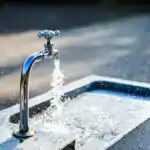
- Tap: Water that comes out of a pipe in our homes or schools.
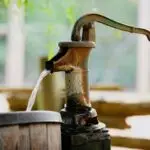
- Well: A deep hole dug in the ground to get water.
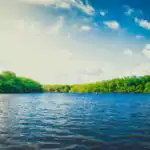
- River: A large natural stream of water flowing in a channel to the sea, a lake, or another river.
- Bore-hole: A narrow shaft drilled into the ground to extract water.
- Stream: A small, narrow river.
Everyday Uses of Water
We use water for many things at home and at school. Some uses are:
- Drinking
- Cooking food
- Bathing and washing ourselves
- Washing clothes
- Washing dishes
- Flushing toilets
- Watering plants
- Cleaning the house and school environment
Clean and Dirty Water
Water can be clean or dirty. It is important to know the difference.
- Clean Water: This water is clear, has no bad smell, and no dirt in it. It is safe for drinking and other uses.
- Dirty Water: This water may have colour, a bad smell, or dirt and germs in it. It is not safe for drinking and can make us sick.
Keeping Drinking Water Clean and Safe
We must always keep our drinking water clean to stay healthy. Simple ways to do this are:
- Always cover water containers to prevent dust and insects from entering.
- Boil drinking water before use.
- Use clean cups and containers to fetch and store water.
- Do not put dirty hands into drinking water.
Teaching Methods/Instructional Techniques
Discussion, Demonstration, Guided Practice, Question and Answer, Explanation, Observation.
Instructional Procedures
Step 1: Introduction
Time: 5 minutes
Teaching Skill: Questioning/Recall
Teacher’s Activity: The teacher greets the pupils and asks them to name some liquids they know or use daily (e.g., juice, milk). The teacher then introduces the topic by asking what other liquid they use for drinking and washing.
Pupils’ Activity: Pupils respond to the greetings and name liquids they know. They try to guess the topic.
Learning Point: Familiar liquids identified
Step 2: Meaning of Water
Time: 7 minutes
Teaching Skill: Explanation/Demonstration
Teacher’s Activity: The teacher displays a transparent container of clean water and asks pupils to observe it. The teacher explains that water is a clear liquid, has no taste or smell, and is very important for all living things.
Pupils’ Activity: Pupils observe the water and listen attentively to the teacher’s explanation. They repeat the meaning of water.
Learning Point: Meaning of water
Step 3: Common Sources of Water
Time: 8 minutes
Teaching Skill: Visualisation/Identification
Teacher’s Activity: The teacher displays pictures/charts of common water sources (e.g., rain, tap, well, river, bore-hole). The teacher names each source and asks pupils to identify and name water sources familiar to their community.
Pupils’ Activity: Pupils look at the pictures, listen to the names of the sources, and identify sources they know from their community.
Learning Point: Common water sources
Step 4: Everyday Uses of Water
Time: 7 minutes
Teaching Skill: Discussion/Brainstorming
Teacher’s Activity: The teacher asks pupils how they use water at home and at school. The teacher guides them to mention uses like drinking, cooking, bathing, washing, and watering plants, showing pictures where available.
Pupils’ Activity: Pupils share different ways they use water daily.
Learning Point: Uses of water
Step 5: Clean and Dirty Water
Time: 5 minutes
Teaching Skill: Comparison/Explanation
Teacher’s Activity: The teacher shows pictures of clean water and dirty water. The teacher explains the differences: clean water is clear and safe, while dirty water has dirt, bad smell, and is unsafe.
Pupils’ Activity: Pupils observe the pictures and identify clean and dirty water, stating their differences.
Learning Point: Clean versus dirty water
Step 6: Keeping Drinking Water Clean and Safe
Time: 3 minutes
Teaching Skill: Instruction/Guidance
Teacher’s Activity: The teacher explains simple ways to keep drinking water clean, such as covering containers, boiling water, and using clean utensils. The teacher demonstrates covering a container.
Pupils’ Activity: Pupils listen and observe the demonstration. They mention ways to keep water clean.
Learning Point: Water safety practices
Step 7: Evaluation/Review
Time: 5 minutes
Teaching Skill: Questioning/Assessment
Teacher’s Activity: The teacher evaluates the learning by asking the following questions:
- What is water?
- Mention two sources of water.
- Name two things we use water for.
- Why is it important to cover our drinking water?
Pupils’ Activity: Pupils answer orally and in writing.
Learning Point: Water concepts reviewed
Step 8: Conclusion
Time: 2 minutes
Teaching Skill: Summarisation
Teacher’s Activity: The teacher summarises the lesson by reminding pupils that water is very important and we must always use clean water and keep our water sources safe.
Pupils’ Activity: Pupils listen and repeat the main points of the lesson.
Learning Point: Water importance consolidated
Lesson Keywords
- Water – A clear liquid that all living things need.
- Source – A place where something comes from.
- Rain – Water that falls from the sky.
- Tap – A device that controls the flow of water.
- Well – A deep hole dug to get water.
- Clean water – Water that is safe to drink and use.
- Dirty water – Water that is unsafe to drink and use.
Differentiation
For weaker learners: The teacher will provide more one-on-one attention, use simpler language, and allow them to point to pictures rather than naming sources verbally. Repetition of key terms will be encouraged.
For faster learners: The teacher will encourage them to name more sources of water or uses of water beyond those discussed. They can also be asked to draw a picture of their favourite water source.
Suggested Lesson Videos
https://www.youtube.com/results?search_query=meaning+of+water+for+kids+primary+1
https://www.youtube.com/results?search_query=sources+of+water+for+kids+primary+1
Teacher Guide for Using This Lesson Plan
Before the lesson, ensure you have all instructional materials ready, especially the transparent container of clean water and clear pictures of various water sources and uses. Start by engaging pupils with familiar liquids before introducing water. Emphasise observation and hands-on identification of water sources. During the lesson, encourage pupils to share their experiences with water at home and in their community. Pay close attention to their understanding of clean versus dirty water and the simple practices for keeping water safe. Guide them through the activities, allowing them to participate actively. When pupils are copying the Board Summary, ensure they do so neatly and correctly. Check for common misconceptions, such as thinking all water is safe to drink. For weaker learners, provide extra visual cues and allow them to respond by pointing. For faster learners, encourage them to think critically about the consequences of dirty water. Always stress the importance of water safety and conservation.
Community Join the conversation Open discussion +