

Class: Primary Five
Term: First Term
Subject: basic Science and Technology
Curriculum Theme: Basic Science
Previous Lesson: Types, Effects and Control of Pollution
Topic: Waste and Waste Disposal
content/Learning Area: What is Waste?, Types of Waste, Methods of Solid Waste Disposal, Methods of Disposing Liquid Waste
Time Allocation: 40 minutes
performance Objectives
By the end of the lesson, pupils should be able to:
- Cognitive Domain:
- Define waste.
- List the proper ways to dispose of waste.
- state three types of waste and define each of them.
- List three methods of disposing solid waste and explain each of the methods.
- List five methods for disposing liquid waste and explain each of the methods.
- Affective Domain:
- Pupils will show an understanding of the importance of proper waste disposal.
- Psychomotor Domain:
- Pupils will be able to actively participate in class discussions.
- Social domain:
- Pupils will work collaboratively in group activities.
Reference Materials
9 – Years Basic Education Curriculum
Abuja Educational Resource Center Scheme of Work
NAPPS national Unified Scheme of work
Relevant Textbooks
Instructional Materials
To deliver this lesson,the teacher will use the following materials:
Whiteboard or chart
Markers or chalk
Pictures or illustrations of different types of waste and disposal methods
Rationale for the Lesson
Understanding waste and its proper disposal is crucial for environmental protection and public health. this lesson lays the foundation for responsible citizenship and environmental awareness.
Prerequisite/Previous Knowledge
The teacher will start by asking pupils what they understand by the term “waste”. A brief discussion will follow, leading into the lesson’s topic.
lesson Content
What is Waste?
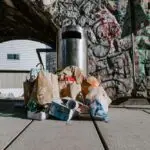
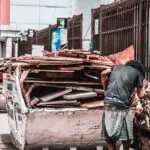
Waste is any unwanted or unusable material that is discarded. It can range from food scraps and packaging to old clothes and electronic devices.
Types of Waste
Waste can be categorized based on its source, composition, and potential hazards. These include:
- Refuse: This includes items like food scraps, packaging, and old items. It’s often from homes and businesses. Examples include banana peels, plastic bottles, and old newspapers.
- Sewage: Wastewater from homes and industries, containing human waste, soapy water, etc. Proper treatment is vital to prevent disease.
- Recyclables: Materials like paper, plastic, and glass that can be reused. Recycling conserves resources and reduces pollution.
- Hazardous Waste: Harmful waste (chemicals, medical waste) hazardous to health and the habitat. Proper disposal prevents contamination.
- E-waste: Discarded electronics (computers, phones, appliances). Contains valuable materials but also harmful substances.
- Agricultural Waste: Waste from farming activities, including crop residues and animal manure. Proper management prevents pollution.
Methods of Solid Waste Disposal
Solid waste disposal involves various techniques to manage and eliminate solid waste materials. These include:
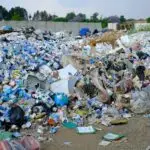
- Landfill: Burying waste in designated areas. Proper management is crucial to avoid environmental risks.
- Recycling: Processing materials to make new products. This conserves resources and reduces pollution.
- Composting: Turning organic waste (food scraps) into nutrient-rich soil. Reduces landfill waste.
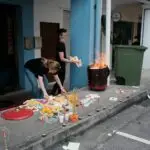
- Incineration: Burning waste at high temperatures to reduce volume. useful for hazardous waste but can release pollutants.
- Landfill gas Recovery: Collecting and using gas from landfills as an energy source. Reduces greenhouse gas emissions.
- Waste-to-Energy Conversion: Converting waste into usable energy sources like electricity or heat. Reduces waste volume and provides energy.
Methods of Disposing Liquid Waste
Liquid waste disposal involves treating and eliminating liquid waste materials to prevent environmental contamination. These include:
- Sewage Treatment: Cleaning wastewater to remove pollutants before release. Treatment plants use various processes.
- Land application: Spreading treated wastewater on land for absorption. Can fertilize crops but needs proper treatment.
- Lagooning: Storing wastewater in lagoons for natural decomposition.
- Discharge into Water Bodies: releasing treated wastewater into rivers or oceans (only if properly treated).
- Evaporation ponds: Evaporating wastewater, leaving solids behind (used in arid regions).
- Deep Well Injection: Injecting wastewater deep underground (for waste that can’t be treated).
- Reuse/recycling: Using treated wastewater for non-drinking purposes (conserves water).
- Constructed Wetlands: Using artificial wetlands to filter and treat wastewater naturally. provides habitat for wildlife.
Teaching Methods
To deliver this lesson, the teacher will adopt the following methods: Discussion, Question and answer, Visual aids
Instructional Procedures
To deliver this lesson, the teacher will adopt the following steps:
Step 1: Introduction
Time: 5 minutes
Teaching skill: set Induction
Teacher’s Activity: Asks pupils what they understand by the term “waste”.
Pupils’ Activity: Respond to the teacher’s questions.
Step 2: Clarification of Key Concepts
Time: 10 minutes
Teaching Skill: Explaining
Teacher’s Activity: Explains the definition of waste and its different types.
Pupils’ Activity: Listen attentively and take notes.
step 3: Exhibition/Guided Practice
Time: 10 minutes
Teaching Skill: Demonstrating
Teacher’s activity: Shows pictures of different types of waste and explains the methods of disposal.
Pupils’ Activity: Observe and participate in discussions.
Step 4: Self-reliant Practice
Time: 5 minutes
Teaching Skill: Monitoring
Teacher’s Activity: Guides pupils in completing a worksheet on waste disposal.
Pupils’ Activity: Complete the worksheet individually.
Step 5: Note-Taking
Time: 5 minutes
Teaching Skill: Summarizing
Teacher’s Activity: Summarizes the key points of the lesson.
Pupils’ Activity: take notes and ask clarifying questions.
Step 6: Evaluation/Review
Time: 5 minutes
Teaching Skill: Assessing
Teacher’s Activity: Asks evaluation questions.
Pupils’ Activity: Answer the evaluation questions.
Objective-aligned checks:
- List the proper ways to dispose of waste.
- state three types of waste and define each of them.
- List three methods of disposing solid waste and explain each of the methods.
Step 7: Conclusion
Time: 2 minutes
Teaching Skill: Summarizing
Teacher’s Activity: Reviews the key points and assigns homework.
Pupils’ Activity: Listen and note homework.
Lesson Keywords
Waste – Unwanted or unusable materials that are discarded
Refuse – Solid waste from homes and businesses
Sewage – Wastewater containing human waste
Recycling – Processing materials for reuse
Composting – Decomposing organic waste into soil
Landfill – burying waste in designated areas
Incineration – Burning waste to reduce volume
Lesson Evaluation
to evaluate the learning, the teacher asks pupils to:
- What is waste and why is proper disposal critically meaningful?
- Name three types of waste and give an example of each.
- Explain two methods for disposing of solid waste.
- Explain two methods for disposing of liquid waste.
Assignment/Homework
- List five items commonly found in household waste and classify them by type (e.g., refuse, recyclable).
- Research and write a short paragraph on a local waste management initiative in your community.
- Design a poster illustrating the importance of recycling and proper waste disposal.
Differentiation
For slower learners: Provide one-on-one assistance and simplified explanations.
For advanced learners: encourage independent research on specific waste disposal methods.
For visual/auditory/kinesthetic learners: Use visual aids,discussions,and hands-on activities to cater to different learning styles.
Note for Teachers
Ensure to use real-life examples and visual aids to enhance understanding.Encourage pupils to share their experiences and observations related to waste management in their environment. Emphasize the importance of responsible waste disposal for a healthy and lasting environment.
Community Join the conversation Open discussion +