

Class: Junior Secondary School 1 (JSS 1 / JS1)
Term: 1st Term
Week: 8
Age: 12 years
Duration: 45 minutes
Subject: Islamic Religious Studies
Curriculum Theme:
Previous Lesson: Hadith No. 14 of An-Nawawi, Reading, Translation and Teachings.
Topic: KINDS OF WATER AND THEIR SOURCES
Subject Matter: Pure, clean and impure water (Rain, well, river, tap, borehole .)
Specific Objectives
By the end of the lesson, pupils should be able to:
Cognitive Domain:
- Define water.
- Identify different kinds of water.
- State various sources of water.
- Distinguish between pure, clean, and impure water.
Affective Domain:
- Appreciate the importance of clean water for health.
- Value the need for proper hygiene practices related to water.
Psychomotor Domain:
- Draw and label different sources of water.
- Classify given water samples as pure, clean, or impure.
Social Domain:
- Promote safe water collection and storage practices in their communities.
- Share knowledge about water quality with peers and family.
Reference Materials
The following resources were used in planning this lesson:
- 9 Years Basic Education Curriculum for Junior Secondary Schools.
- State Unified Scheme of Work for National Values Education JSS 1.
- National Values Education for Junior Secondary Schools 1.
- https://nigerianinfopedia.com.ng/types-of-water-and-their-sources-in-nigeria/
- https://schoolings.org/sources-of-water-and-their-uses/
Instructional Materials
The teacher will teach this lesson with the aid of:
- Charts showing various sources of water (rain, well, river, tap, borehole).
- Pictures illustrating pure, clean, and impure water.
- Small samples of water (e.g., bottled water, tap water, muddy water for demonstration).
Rationale for the Lesson
This lesson helps pupils understand the different types and sources of water available to them. It enables them to identify safe water for consumption and promotes awareness about water hygiene, which is important for maintaining good health.
Prerequisite/Previous Knowledge
Pupils have basic knowledge of what water is and its general uses in daily life.
Lesson Content/Board Summary
KINDS OF WATER AND THEIR SOURCES
What is Water?
Water is a clear, tasteless, odorless liquid that is essential for all known forms of life. It covers about 71% of the Earth’s surface and is found in various forms.
Kinds of Water
Water can be broadly classified based on its purity and cleanliness:
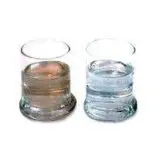
- Pure Water: This is chemically pure water, consisting only of hydrogen and oxygen atoms (H2O). It is free from dissolved minerals, salts, and impurities. Distilled water is an example of pure water. It has no taste or smell.
- Clean Water: This is water that is safe for drinking and other domestic uses. It may contain dissolved minerals but is free from harmful microorganisms, toxic chemicals, and suspended particles. Clean water is usually clear, odorless, and has a pleasant taste.
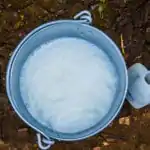
- Impure Water: This is water that contains harmful substances such as disease-causing microorganisms, pollutants, or excessive minerals. It is unsafe for drinking and can cause illnesses. Impure water may appear cloudy, have an unpleasant smell, or contain visible particles.
Sources of Water
Water can be obtained from various natural and artificial sources:
- Rain Water: This is water that falls from the sky as precipitation. It is generally considered a relatively pure natural source, especially when collected directly from the atmosphere before touching contaminated surfaces.
- Well Water: This is groundwater obtained by digging wells into the ground to access underground water tables. The purity of well water depends on the depth of the well and the surrounding environment.
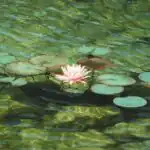
- River Water: This is surface water that flows in natural channels. River water can be a source of clean water after proper treatment, but it often contains suspended particles and pollutants due to human activities.
- Tap Water: This is treated water supplied through pipes to homes and buildings. It usually comes from public water systems that purify water from rivers, lakes, or boreholes to make it safe for consumption.
- Borehole Water: This is groundwater extracted from deep underground using a drilled hole and a pump. Borehole water is often considered a safer source than well water because it is drawn from deeper aquifers, which are less susceptible to surface contamination.
Teaching Methods/Instructional Techniques
Discussion, Lecture, Demonstration, Question and Answer, Visual Aids
Instructional Procedures
Step 1: Introduction
Time: 5 minutes
Teaching Skill: Set Induction
Teacher’s Activity: The teacher greets the pupils and asks them what they know about water and its importance in their daily lives.
Pupils’ Activity: Pupils respond by sharing their ideas about water and its uses.
Learning Point: Pupils are engaged and their prior knowledge about water is activated.
Step 2: Explanation of Water
Time: 5 minutes
Teaching Skill: Explanation
Teacher’s Activity: The teacher defines water and discusses its general characteristics as a clear, tasteless, and odorless liquid essential for life.
Pupils’ Activity: Pupils listen attentively and ask questions for clarification.
Learning Point: Pupils understand the basic definition and importance of water.
Step 3: Kinds of Water
Time: 10 minutes
Teaching Skill: Illustration/Discussion
Teacher’s Activity: The teacher explains and demonstrates the differences between pure, clean, and impure water using charts and samples. The teacher highlights characteristics of each.
Pupils’ Activity: Pupils observe the samples, identify characteristics, and contribute to the discussion.
Learning Point: Pupils can differentiate between pure, clean, and impure water based on their characteristics.
Step 4: Sources of Water
Time: 10 minutes
Teaching Skill: Lecture/Visual Aid
Teacher’s Activity: The teacher uses charts and pictures to discuss various sources of water such as rain, well, river, tap, and borehole water, explaining how each is obtained.
Pupils’ Activity: Pupils identify the sources shown in the charts and recall other sources they know.
Learning Point: Pupils learn about different sources from which water can be obtained.
Step 5: Importance of Clean Water
Time: 5 minutes
Teaching Skill: Discussion
Teacher’s Activity: The teacher leads a brief discussion on why it is important to drink clean water and the dangers of consuming impure water.
Pupils’ Activity: Pupils share their thoughts on the importance of clean water and the health risks of impure water.
Learning Point: Pupils understand the health implications of water quality.
Step 6: Differentiating Water Types
Time: 5 minutes
Teaching Skill: Guided Practice
Teacher’s Activity: The teacher presents different scenarios or descriptions of water and guides pupils to classify them as pure, clean, or impure, and identify their likely sources.
Pupils’ Activity: Pupils actively participate in classifying water types and identifying sources.
Learning Point: Pupils reinforce their ability to distinguish water types and their sources.
Step 7: Evaluation/Review
Time: 5 minutes
Teaching Skill: Questioning/Assessment
Teacher’s Activity: The teacher evaluates the learning by asking the following questions:
- Define water.
- List three kinds of water.
- Mention four sources of water.
- How is pure water different from impure water?
Pupils’ Activity: Pupils answer orally and in writing.
Learning Point: Pupils demonstrate understanding of the lesson.
Step 8: Conclusion
Time: 5 minutes
Teaching Skill: Summarization
Teacher’s Activity: The teacher summarizes the key learning points about kinds and sources of water. The teacher assigns homework for pupils to draw and label three sources of water.
Pupils’ Activity: Pupils listen to the summary and copy the homework assignment.
Learning Point: The lesson is concluded, and pupils have a take-home task.
Home Task: Write three lessons learned about KINDS OF WATER AND THEIR SOURCES and one suitable way to apply the teaching responsibly.
Lesson Keywords
- Water – A clear, tasteless, odorless liquid essential for life.
- Pure water – Chemically pure water (H2O), free from dissolved minerals and impurities.
- Clean water – Water safe for drinking, free from harmful substances, but may contain beneficial minerals.
- Impure water – Water containing harmful substances, unsafe for consumption.
- Rain – Water falling from the sky.
- Well – A hole dug in the ground to obtain groundwater.
- River – A large natural stream of water flowing in a channel to the sea, a lake, or another river.
- Tap – A device for controlling the flow of water from a pipe.
- Borehole – A deep, narrow hole drilled in the ground to extract groundwater.
Differentiation
For visual learners, additional charts and videos illustrating water cycles and sources will be used. Kinesthetic learners will be encouraged to collect and observe different water samples (under supervision). Group discussions will allow all pupils to contribute and learn from each other, while the teacher provides extra support to pupils who may be struggling with the concepts.
Note for teachers using this lesson plan
Teachers should ensure that any water samples used for demonstration are safely handled and disposed of. Emphasize the practical aspects of water safety and hygiene, encouraging pupils to apply the knowledge in their daily lives. Encourage pupils to ask questions and share their experiences with different water sources in their localities.
Community Join the conversation Open discussion +