

Class: Primary Four
Term: Second Term
Subject: Basic Science and Technology
Curriculum theme: Basic Science
Previous Lesson: Water as a Solvent
Topic: Pure and impure Water
Content/learning Area: Qualities of pure water,qualities of impure water,Importance of clean water
Time Allocation: 40 minutes
Performance Objectives
By the end of the lesson,pupils should be able to:
- Cognitive Domain:
1. List the qualities of pure water.
2. Describe the characteristics of impure water.
3. Explain the importance of clean water.
- Psychomotor Domain:
1. Identify pure and impure water samples.
- Affective Domain:
1. Appreciate the importance of clean water for health.
2. Show concern for water conservation.
- Social Domain:
1. Discuss ways to protect water sources from contamination.
Reference Materials
- 9 – Years Basic Education Curriculum
- Abuja Educational Resource Centre Scheme of Work
- NAPPS National unified scheme of Work
- Online details
- Relevant Textbooks
Instructional Materials
To deliver this lesson, the teacher will employ the help of the following materials:
- Whiteboard or chart
- Markers or chalk
- Samples of pure and impure water (optional)
- Pictures or diagrams of pure and impure water sources
Rationale for the Lesson
Understanding the difference between pure and impure water is crucial for health and hygiene. This lesson lays the foundation for future lessons on water treatment and conservation.
Prerequisite/Previous knowledge
Pupils are familiar wiht water and its basic uses.
Lesson Content
Pure and Impure water
Water is vital for life and has many uses. However, not all water is the same; some is pure, and some is impure.
What is Pure Water?
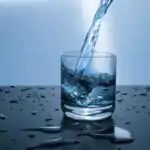
Pure water is free from impurities. It’s clear, odorless, and tasteless, safe for drinking and other uses.
qualities of Pure Water
Pure water is characterized by its cleanliness and safety. The following are qualities of pure water:
- Clear Appearance: pure water is completely clear.
- No Smell: It has no distinct smell.
- No Taste: Pure water has a neutral taste.
- Free of Sediments: There are no visible particles or sediments.
- Safe for Drinking: Pure water is safe to drink and use for domestic purposes.
- Absence of Harmful Microorganisms: It does not contain bacteria, viruses, or parasites.
What is Impure Water?
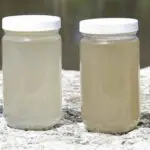
Impure water contains impurities like dirt, sand, bacteria, and chemicals. It’s unsafe to drink and can be harmful.
Qualities of Impure water
Impure water is characterized by the presence of contaminants that make it unsafe for consumption. These include:
- Cloudy Appearance: Impure water often looks cloudy or murky.
- Unpleasant Odor: It may have a foul smell.
- Strange Taste: Impure water can have an unpleasant taste.
- presence of Microorganisms: It may contain harmful bacteria or viruses.
- Contains chemicals and Metals: It might contain harmful chemicals or heavy metals.
- Visible Particles: Impure water may contain visible particles like dirt, sand, or rust.
Importance of Clean water
Clean water is essential for various aspects of life, ensuring health and well-being. These include:
- Health: Clean water is essential for good health.Drinking contaminated water can cause illness.
- Hydration: Clean water is crucial for hydration, helping the body function properly.
- Cooking: Clean water is needed for safe cooking, preventing foodborne illnesses.
- Personal Hygiene: It’s vital for personal hygiene,such as washing hands and bathing.
- Agriculture: Clean water is critically vital for growing healthy crops, ensuring food security.
- Sanitation: Clean water is needed for proper sanitation, including flushing toilets and cleaning surfaces.
Teaching Methods
To deliver this lesson, the teacher will adopt the following methods: Discussion, Question and answer, exhibition.
Instructional Procedures
To deliver this lesson, the teacher will adopt the following steps:
Step 1: Introduction
Time: 5 minutes
Teaching Skill: Set Induction
teacher’s Activity: Ask pupils about their understanding of water and its uses.Pupils’ Activity: Respond to the teacher’s questions.
Step 2: Explanation of Key Concepts
Time: 10 minutes
Teaching Skill: Explaining
Teacher’s Activity: Explain the difference between pure and impure water using clear examples.
Pupils’ Activity: Listen attentively and ask clarifying questions.
Step 3: Demonstration/Guided Practice
Time: 10 minutes
Teaching Skill: Demonstrating
teacher’s Activity: Show examples of pure and impure water (if available) and discuss their characteristics.
Pupils’ Activity: Observe and participate in the discussion.
Step 4: Independent Practice
Time: 5 minutes
Teaching skill: Monitoring
teacher’s Activity: Guide pupils as they identify the qualities of pure and impure water from pictures or descriptions.
Pupils’ Activity: Complete the activity independently.
Step 5: Note-Taking
Time: 5 minutes
Teaching Skill: Note-taking
Teacher’s Activity: Guide pupils in taking notes on the key concepts.
Pupils’ Activity: Write down important points.
step 6: Evaluation/Review
Time: 5 minutes
Teaching Skill: Questioning
Teacher’s Activity: Ask review questions to assess understanding.
Pupils’ Activity: Answer the review questions.
Objective-aligned checks:
- List the qualities of pure water.
- Describe the characteristics of impure water.
- Explain the importance of clean water.
Step 7: Conclusion
Time: 2 minutes
Teaching Skill: Summarizing
Teacher’s Activity: Summarize the key points of the lesson.
Pupils’ Activity: Listen to the summary and ask any remaining questions.
Lesson Keywords
- Pure Water – Water that is free from impurities and safe for drinking.
- Impure Water – Water that contains contaminants and is unsafe for drinking.
- Contaminants – Substances that make water impure, such as dirt, bacteria, and chemicals.
- Hygiene – Practices that promote cleanliness and health.
- Sanitation – Measures taken to protect public health, such as proper waste disposal and clean water supply.
Lesson Evaluation
To evaluate the learning, the teacher asks pupils to:
- What are three qualities of pure water?
- Name two differences between pure and impure water.
- Why is clean water critically important?
- how can we make impure water safe to drink?
- How can we protect our water sources?
Assignment/Homework
- Draw pictures of pure and impure water sources.
- List three ways to conserve water at home.
- Research and write a short paragraph on a common waterborne disease in Nigeria and how to prevent it.
Differentiation
- For slower learners: Provide one-on-one assistance and use simpler language.
- For advanced learners: Encourage them to research different water purification methods.
- For visual/auditory/kinesthetic learners: Use visual aids, discussions, and hands-on activities to cater to different learning styles.
Note for Teachers
Ensure to use real-life examples and visual aids to enhance pupils’ understanding. Emphasize the importance of clean water for health and hygiene, and encourage pupils to practice water conservation.

Community Join the conversation Open discussion +