

Class: Junior Secondary School 1 (JSS1, JSS 1)
Term: 2nd Term
Week: 4 & 5
Age: 12 years
Duration: 45 minutes
Subject: Basic Science And Technology
Curriculum Theme: Physical And Health Education
Previous Lesson: Benefits of Contact and Non-contact Sports
Topic: Pathogens, Diseases And Their Prevention
Subject Matter: Diseases caused by pathogens, Disease preventive measures
Specific Objectives
By the end of the lesson, pupils should be able to:
- Cognitive Domain:
(a) Identify the major types of pathogens that cause diseases.
(b) Explain how pathogens cause diseases and how such diseases can be prevented. - Affective Domain:
(a) Develop positive attitudes towards cleanliness and good hygiene to prevent diseases. - Psychomotor Domain:
(a) Demonstrate proper handwashing and personal hygiene practices that prevent infection. - Social Domain:
(a) Cooperate in group discussions to suggest ways to prevent the spread of diseases in the school and community.
Reference Materials
The following resources were used in planning this lesson:
- 9 Years Basic Education Curriculum
- Lagos State Unified Scheme of work for Junior Secondary Schools
- Wikipedia – Pathogen
- Relevant Textbooks
Instructional Materials
The teacher will teach this lesson with the aid of:
- Charts showing different types of pathogens (bacteria, viruses, fungi, protozoa)
- Flash cards illustrating common diseases
- Pictures of preventive practices (washing hands, using mosquito nets, cleaning environment)
- Microscope slides or drawings of microorganisms
- Whiteboard and markers
Rationale for the Lesson
This lesson is important because it helps pupils understand how diseases are caused by harmful microorganisms and how to prevent them through personal hygiene and sanitation.
Prerequisite/Previous Knowledge
Pupils have previously learned about microorganisms and their beneficial and harmful effects; they can recall examples of common diseases.
Lesson Content/Board Summary
Pathogens, Diseases and Their Prevention
Pathogens and Diseases
Pathogens are microorganisms that cause diseases in humans, animals, and plants. They enter the body through the mouth, nose, skin, or wounds and multiply to cause sickness.
The following are the main types of pathogens and examples of diseases they cause:
- Bacteria – Examples include cholera, tuberculosis, and typhoid fever.
- Viruses – Examples include HIV/AIDS, measles, polio, and influenza.
- Fungi – Examples include ringworm, athlete’s foot, and candidiasis.
- Protozoa – Examples include malaria, sleeping sickness, and dysentery.
Modes of Transmission of Diseases
Diseases caused by pathogens can spread from one person to another through several ways.
The following are the major modes of disease transmission:
- Through contaminated food and water – e.g., cholera and typhoid.
- Through air – e.g., influenza and tuberculosis.
- Through direct contact – e.g., ringworm and measles.
- Through insect vectors – e.g., malaria transmitted by mosquitoes.
- Through body fluids – e.g., HIV/AIDS spread by blood or unprotected sex.
Prevention and Control of Diseases
Preventive measures help to reduce or stop the spread of infectious diseases in the body and the environment.
The following are the main preventive and control measures:
- Maintain personal hygiene such as bathing daily and washing hands regularly.
- Keep the environment clean and dispose of waste properly.
- Eat well-cooked food and drink clean water.
- Use mosquito nets and destroy stagnant water to prevent malaria.
- Avoid sharing sharp objects or needles.
- Get vaccinated against preventable diseases.
- Cover the mouth and nose when coughing or sneezing.
- Visit hospitals for medical checkups and early treatment.
Teaching Methods/Instructional Techniques:
Discussion, Lecture, Explanation, Demonstration, Group Work, Question and Answer, Use of Visual Aids
Instructional Procedures
To deliver this lesson, the teacher will adopt the following steps:
Step 1: Introduction
Time: 5 minutes
Teaching Skill: Set Induction
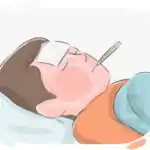
Teacher’s Activity: The teacher asks pupils if they have ever fallen sick and what caused their sickness. The teacher then introduces the lesson by explaining that some illnesses are caused by harmful microorganisms called pathogens.
Pupils’ Activity: Pupils respond and share short experiences of being sick.
Learning Point: Pupils understand that some diseases are caused by harmful microorganisms.
Step 2: Types of Pathogens and Diseases
Time: 10 minutes
Teaching Skill: Explanation
Teacher’s Activity: The teacher explains the different types of pathogens using charts and provides examples of diseases caused by each.
Pupils’ Activity: Pupils observe the charts and take notes.
Learning Point: Pupils identify the main types of pathogens and examples of diseases they cause.
Step 3: Modes of Transmission of Diseases
Time: 10 minutes
Teaching Skill: Discussion
Teacher’s Activity: The teacher discusses how diseases spread and asks pupils to suggest ways people get infected.
Pupils’ Activity: Pupils share ideas and relate to real-life experiences.
Learning Point: Pupils understand how infectious diseases spread from one person to another.
Step 4: Prevention and Control of Diseases
Time: 10 minutes
Teaching Skill: Demonstration
Teacher’s Activity: The teacher demonstrates hygienic habits like proper handwashing and explains preventive measures using flashcards.
Pupils’ Activity: Pupils practice handwashing and mention other preventive practices.
Learning Point: Pupils learn practical ways to prevent diseases caused by pathogens.
Step 5: Note-Taking
Time: 5 minutes
Teaching Skill: Explanation
Teacher’s Activity: The teacher writes the board summary for pupils to copy into their notes.
Pupils’ Activity: Pupils copy the notes neatly.
Learning Point: Pupils have a written record of the lesson content.
Step 6: Evaluation/Review
Time: 3 minutes
Teaching Skill: Questioning
Teacher’s Activity: The teacher evaluates the learning by asking the following questions:
- What are pathogens?
- Mention four types of pathogens and one disease caused by each.
- State three ways diseases can be transmitted.
- List four preventive measures against diseases.
Pupils’ Activity: Pupils respond to the questions orally.
Learning Point: Pupils demonstrate understanding of the lesson objectives.
Step 7: Conclusion
Time: 2 minutes
Teaching Skill: Reinforcement
Teacher’s Activity: The teacher summarizes the lesson and advises pupils to maintain cleanliness and avoid behaviors that spread diseases.
Pupils’ Activity: Pupils listen and make final contributions.
Learning Point: Pupils appreciate the importance of disease prevention and good hygiene.
Home Task: Describe or illustrate one lesson example of Pathogens, Diseases And Their Prevention and include one safety or performance rule. Do not practise a risky activity without adult supervision.
Lesson Keywords
- Pathogen – a microorganism that causes disease.
- Infection – invasion of the body by harmful microorganisms.
- Transmission – the way diseases spread from one person to another.
- Vector – an organism that carries and spreads disease-causing germs.
- Vaccination – giving a person a vaccine to protect against a specific disease.
Differentiation
Provide additional visual aids and simple demonstrations for slower learners; advanced learners can research more examples of diseases and present them to the class.
Note for teachers using this lesson plan
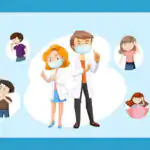
Ensure practical demonstration of hygiene practices like handwashing and proper waste disposal. Encourage pupils to practice preventive measures at home and in school.

Community Join the conversation Open discussion +