

Class: Primary 5
Term: 2nd Term
Subject: pre-Vocational Studies
Curriculum Theme: Agricultural Science
previous Lesson:
Topic: Meaning Of Weeds, Pests, And diseases
Content/Learning Area: Meaning Of Weeds, pests, And Diseases, Control Measures
Time Allocation: 40 minutes
Performance Objectives
By the end of the lesson, pupils should be able to:
- Cognitive Domain:
– Define weeds, pests, and diseases.
– List three examples each of weeds, pests, and diseases affecting crops.
- Affective Domain:
– Explain why controlling weeds, pests, and diseases is meaningful for good crop yield.
- Psychomotor Domain:
– Create a simple weed album using samples from their surroundings.
- Social Domain:
– Work collaboratively to identify weeds and pests in their school habitat.
Reference Materials
the following resources were used in planning this lesson:
- 9 – Years Basic Education Curriculum
- Abuja Educational Resource Centre Scheme of Work
- NAPPS National Unified Scheme of Work
- Online Information from: BBC – Control of weeds, pests and disease – crop protection
- Relevant Textbooks
Instructional Materials
To deliver this lesson, the teacher will use the following materials:
- Charts showing pictures of common weeds, pests, and diseases
- Samples of weeds (e.g., spear grass)
- Pictures of pests (e.g., locusts, grasshoppers)
- Flashcards showing different control methods
Rationale for the Lesson
Understanding weeds, pests, and diseases helps pupils learn how to protect crops, leading to improved food security and agricultural productivity in their communities.
Prerequisite/Previous Knowledge
Pupils are familiar with common plants and insects in their environment and have observed how these affect plant growth.
Lesson Content
Meaning Of Weeds, Pests, And Diseases
Weeds, pests, and diseases are major challenges in agriculture. Understanding what they are is the frist step to controlling them.
the following are definitions of weeds, pests, and diseases:
- Weeds:
Weeds are unwanted plants that grow in crops and compete with them for nutrients. examples are:
– Spear grass
– Nut grass
– Water hyacinth
– Guinea grass
- Pests:
Pests are organisms that damage crops by feeding on them. Examples are:
– Grasshoppers
– Caterpillars
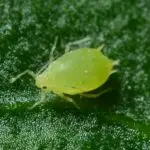
– Aphids
– Locusts
- Diseases:
Diseases are conditions that harm crops, caused by fungi, bacteria, or viruses. Examples are:
– Maize rust
– Cassava mosaic
– Tomato blight
– Rice blast
Control Measures
Control measures are the methods used to reduce the negative impact of weeds, pests and diseases on crops.These include:
- Weeds: Uproot or use herbicides.
- Pests: Use pesticides or biological control.
- Diseases: Use disease-resistant crops or proper farm hygiene.
Teaching Methods
To deliver this lesson, the teacher will adopt the following methods: Set induction, Discussion, Interactive teaching, Exhibition, Expository, Oral questioning, recap.
Instructional Procedures
To deliver this lesson, the teacher will adopt the following steps:
Step 1: Introduction
Time: 5 mins
Teaching Skill: Set Induction
Teacher’s Activity: Asks pupils to describe what happens when weeds grow in a garden.
Pupils’ Activity: Respond by sharing observations.
Step 2: Clarification of Weeds, Pests, and Diseases
Time: 10 mins
Teaching Skill: Explanation
Teacher’s Activity: Explains the meaning of weeds, pests, and diseases using charts.
Pupils’ Activity: Observe charts and listen attentively.
Step 3: Examples of Weeds, Pests, and Diseases
Time: 10 mins
Teaching Skill: identification
Teacher’s Activity: provides examples of weeds, pests, and diseases and guides pupils to identify them.Pupils’ Activity: identify examples from samples and pictures.
Step 4: Control Methods Demonstration
Time: 5 mins
Teaching Skill: Demonstration
Teacher’s Activity: Demonstrates simple control measures,e.g., uprooting weeds and using sprays.
Pupils’ Activity: Participate in the demonstration.
Step 5: Note-Taking
Time: 5 mins
Teaching Skill: Expository
Teacher’s Activity: Dictates concise notes for pupils to copy.
Pupils’ Activity: Copy notes into their exercise books.
Step 6: Evaluation/Review
Time: 3 mins
Teaching Skill: oral questioning
Teacher’s Activity: Asks evaluation questions related to the topic.
Pupils’ Activity: Respond to questions orally.
Step 7: Conclusion
time: 2 mins
Teaching Skill: Recap
Teacher’s Activity: Summarizes key points and emphasizes their importance.
Pupils’ Activity: listen attentively and ask questions if necessary.
Lesson Keywords
- weeds – Unwanted plants that compete with crops for nutrients.
- Pests – Organisms that damage crops by feeding on them.
- Diseases – Conditions that harm crops, caused by pathogens.
- Control Measures – Methods used to manage weeds, pests, and diseases.
- Herbicides – Chemicals used to kill weeds.
- Pesticides – Chemicals used to kill pests.
Lesson Evaluation
To evaluate the learning, the teacher asks pupils to:
- Define weeds, pests, and diseases.
- List three examples each of weeds, pests, and diseases.
- describe two ways to control pests in crops.
- Explain why controlling weeds is important for crops.
Assignment/Homework
- Collect and identify three different types of weeds in your environment.
- Draw and label two common pests that affect crops in Nigeria.
- write a short paragraph explaining why it is important to control diseases in crops.
Differentiation
- For slower learners: Provide simplified definitions and visual aids with clear labels.
- For advanced learners: research and present on integrated pest management strategies.
- For visual/auditory/kinesthetic learners: Use charts, discussions, and hands-on activities like weed collection.
Note for Teachers
Encourage pupils to observe plants and insects in their environment to make learning relatable. Use real-life examples to foster engagement. Happy teaching!
Community Join the conversation Open discussion +