

Class: Primary 5
Term: 3rd Term
Subject: basic Science And Technology
Curriculum Theme: Physical And Health Education
Previous Lesson:
Topic: Meaning And Examples Of Diseases
Content/Learning Area: Meaning And examples Of Diseases
Time Allocation: 40 minutes
Performance Objectives
By the end of the lesson, pupils should be able to:
- Cognitive Domain: Explain the meaning of diseases
- Affective Domain: Show concern about preventing diseases
- Psychomotor Domain: Identify and list examples of diseases
- Social Domain: Share wiht peers the importance of staying healthy
Reference Materials
The following resources were used in planning this lesson:
- 9 years Basic Education Curriculum
- Abuja Educational Resource Centre Scheme of Work
- NAPPS National Unified Scheme of Work
- Online Information from: Wikipedia – Disease
- Relevant Textbooks
Instructional Materials
To deliver this lesson, the teacher will use the following materials:
- Picture charts of healthy and sick children
- Drawing of bacteria and viruses
- Flash cards showing different diseases
- Whiteboard and marker
- Video clips of hygiene practices
Rationale for the Lesson
Understanding the meaning and examples of diseases helps pupils learn how to avoid getting sick and stay healthy.
Prerequisite/Previous Knowledge
Pupils have learned about healthy living and understand basic hygiene practices such as washing hands and keeping their surroundings clean.
Lesson Content
Meaning and Examples of Diseases
A disease is a condition that disturbs the normal structure or function of the body. Different diseases have different causes. Some are caused by infectious agents such as viruses, bacteria, fungi or parasites, while others are not infectious.
Examples of infectious diseases include measles, cholera, tuberculosis, typhoid fever, chickenpox, COVID-19, polio and mumps. Malaria is also an infectious disease, but it is spread mainly through the bite of an infected Anopheles mosquito rather than by ordinary contact with a sick person.
Examples of non-infectious diseases or conditions include asthma, diabetes and sickle-cell disease. These are not caught from another person.
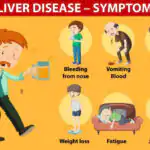
Possible signs of illness include fever, rash, persistent cough, unusual pain, weakness or loss of appetite. A symptom alone does not prove which disease a person has. Pupils should tell a responsible adult and seek help from a qualified health professional when someone is ill.
Teaching Methods
To deliver this lesson, the teacher will adopt the following methods: Discussion, Lecture, Storytelling, Explanation, Visual Aids, Group Work
instructional Procedures
To deliver this lesson, the teacher will adopt the following steps:
Step 1: Introduction
Time: 5 min
Teaching Skill: set Induction
Teacher’s Activity: tells a short story of a child who fell sick after playing in dirty water, then asks pupils if they’ve ever been sick and what they felt like.Pupils’ Activity: Pupils listen to the story,respond to questions,and share their experiences.
Step 2: Meaning of Diseases
Time: 7 min
Teaching Skill: Explanation
Teacher’s Activity: Explains what diseases are and how they affect the body, using pictures of sick and healthy children.
Pupils’ Activity: Pupils look at the pictures and listen to the teacher.
Step 3: Examples of Diseases
Time: 10 min
Teaching Skill: Visual Aids
Teacher’s Activity: Shows flashcards and pictures of different diseases, pronounces their names, and writes them on the board.
Pupils’ Activity: Pupils repeat after the teacher and write down the examples.
Step 4: Group Activity
Time: 8 min
Teaching skill: Group Work
Teacher’s Activity: Divides class into small groups to list diseases they know and how to avoid them. Guides each group’s discussion.pupils’ Activity: Pupils discuss and list diseases, then share with the class.
Step 5: Note-Taking
Time: 3 min
Teaching Skill: Note Writing
Teacher’s Activity: Guides pupils to copy the class notes into their notebooks.
Pupils’ Activity: Pupils copy notes from the board.
Step 6: Evaluation/Review
Time: 4 min
Teaching Skill: Questioning
Teacher’s Activity: Asks pupils questions about diseases and checks their list to see if they can identify diseases.
Pupils’ Activity: Pupils answer questions and show their list.
Objective-aligned checks:
- Explain the meaning of diseases.
- Show concern about preventing diseases.
- Identify and list examples of diseases.
Step 7: Conclusion
Time: 3 min
Teaching Skill: Instructional, Cognitive
Teacher’s Activity: Summarizes the lesson, reminds them to stay healthy, and praises their participation.
Pupils’ Activity: Pupils listen and ask questions.
Lesson Keywords
- Disease – When the body is not well
- Germs – Tiny things that cause sickness
- Virus – A kind of germ that causes disease
- Bacteria – Another kind of germ that makes people sick
- Infection – When germs enter the body and cause disease
Lesson Evaluation
To evaluate the learning, the teacher asks pupils to:
- Explain what a disease is
- Mention any three diseases they know
- State if malaria is a disease or not
- Say how diseases can affect the body
- List any two diseases they learned in class
- Work in groups to talk about one disease and how to prevent it
Assignment/Homework
- List five common diseases in Nigeria.
- Write a short paragraph on how to prevent malaria.
- Ask your parents about diseases they have had and write them down.
Differentiation
- For slower learners: The teacher will pair pupils who need support with stronger peers and use visual aids and repetition to assist all learners in understanding.
- For advanced learners: Encourage them to research other diseases and their prevention methods.
- For visual/auditory/kinesthetic learners: Use visual aids, discussions, and hands-on activities to cater to different learning styles.
Note for Teachers
Encourage learners to speak freely about illnesses they’ve heard of and relate the topic to real-life hygiene practices and local examples.

Community Join the conversation Open discussion +