

Note for teachers using this lesson plan
Before teaching this lesson, ensure you have relevant charts or video clips ready to illustrate pathogens, diseases, and their prevention. The central concept is to help students understand what causes diseases and how to protect themselves and their communities. By the end of the lesson, students should be able to clearly define pathogens and diseases, and explain practical ways to prevent them.
Class: JSS 1
Term: First Term
Week: 5
Age: 12 years
Duration: 45 minutes
Subject: Physical and Health Education
Curriculum Theme: Health and wellness
Focal competence: Identifying diseases caused by pathogens and applying effective prevention methods to protect personal and community health
Key competencies/values: Communication; ICT and Digital Competencies; Research; Problem solving
Skills:
- Identifying of diseases caused by pathogens
Previous Lesson: Sewage and Refuse, Disposal Methods in School and Community
Topic: Pathogens, Diseases And Prevention.
Subject Matter: Meaning of pathogen, Meaning of disease
Specific Objectives
By the end of the lesson, pupils/students should be able to:
Cognitive Domain
- define pathogen;
- define disease;
- explain disease preventive measures.
Affective Domain
- Appreciate the importance of preventing diseases.
- Value good hygiene practices for personal health.
Psychomotor Domain
- Demonstrate simple disease prevention actions, such as proper handwashing.
Social Domain
- Promote healthy practices within their community.
Reference Materials
The following resources were used in planning this lesson:
- 2025 Revised 9 Years Basic Education Curriculum
- Relevant State Unified Scheme of Work
- A suitable Physical and Health Education textbook for JSS 1
- The HeadTeacher Scheme of work
Instructional Materials
The teacher will teach this lesson with the aid of:
- Video clips showing pathogens and disease prevention
- Charts/posters illustrating different types of pathogens and hygiene practices
- Pictures of common diseases and their causes
- Handwashing demonstration materials (soap, water, basin)
Rationale for the Lesson
This lesson is important because it equips students with fundamental knowledge about what causes diseases and how they can be prevented. Understanding pathogens and diseases helps students make informed decisions about their health and adopt practices that protect themselves and their families. This knowledge is crucial for promoting overall well-being and reducing the spread of illnesses in the community.
Prerequisite/Previous Knowledge
Students should have basic knowledge of personal hygiene and common illnesses they may have experienced or heard about.
Lesson Content/Board Summary
Pathogens, Diseases And Prevention.
Meaning of Pathogen
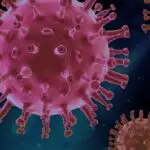
A pathogen is a germ or microorganism that can cause disease in a living organism (like humans, animals, or plants). These organisms are usually too small to be seen with the naked eye.
Meaning of Disease
A disease is an abnormal condition that affects the body or mind of a living organism. It causes the body to stop functioning normally, leading to symptoms like pain, fever, weakness, or other signs of ill health.
Examples of Pathogens and Diseases
Pathogens can be grouped into different types, each causing specific diseases:
- Bacteria: These are single-celled microorganisms. Examples of diseases they cause include typhoid, cholera, and tuberculosis.
- Viruses: These are even smaller than bacteria and need a living host to multiply. Examples of diseases they cause include common cold, flu, measles, and HIV/AIDS.
- Fungi: These are plant-like organisms that can cause infections. Examples of diseases they cause include ringworm and athlete’s foot.
- Protozoa: These are single-celled parasites. Examples of diseases they cause include malaria and amoebic dysentery.
Disease Preventive Measures
Preventing diseases involves taking actions to stop pathogens from entering the body or spreading. Key preventive measures include:
- Good Personal Hygiene:
- Washing hands frequently with soap and water, especially before eating and after using the toilet.
- Bathing regularly.
- Keeping nails short and clean.
- Covering the mouth and nose when coughing or sneezing.
- Environmental Sanitation:
- Keeping homes and surroundings clean.
- Proper disposal of refuse and waste.
- Ensuring clean and safe drinking water.
- Controlling pests like mosquitoes and flies.
- Immunisation/Vaccination:
- Getting vaccinated against common diseases like polio, measles, and tetanus.
- Healthy Lifestyle:
- Eating a balanced diet to boost immunity.
- Getting enough rest.
- Exercising regularly.
- Avoiding Contact with Sick People:
- Keeping a safe distance from people who are visibly ill.
- Safe Food Handling:
- Washing fruits and vegetables properly before eating.
- Cooking food thoroughly.
- Storing food safely to prevent contamination.
Teaching Methods/Instructional Techniques
Discussion, Explanation, Question and Answer, Demonstration, Group Work, Video Presentation, Charts and Posters.
Instructional Procedures
Step 1: Introduction
Time: 5 minutes
Teaching Skill: Activating prior knowledge
Teacher’s Activity: The teacher greets the students and asks them to mention some common illnesses they or their family members have experienced. The teacher then asks what they think causes these illnesses.
Pupils’ Activity: Students respond by mentioning illnesses like fever, cough, malaria, and suggest possible causes.
Learning Point: Prior illness knowledge
Step 2: Meaning of Pathogen
Time: 8 minutes
Teaching Skill: Explanation/Definition
Teacher’s Activity: The teacher introduces the term “pathogen” and explains its meaning using simple language and examples. The teacher may show a chart or video clip of different pathogens.
Pupils’ Activity: Students listen attentively, observe the charts/video, and ask questions for clarification.
Learning Point: Meaning of pathogen
Step 3: Meaning of Disease
Time: 7 minutes
Teaching Skill: Explanation/Definition
Teacher’s Activity: The teacher explains the meaning of “disease” and how it relates to pathogens. The teacher gives simple examples of how a pathogen can cause a disease.
Pupils’ Activity: Students listen and contribute by relating the explanation to their prior knowledge of illnesses.
Learning Point: Meaning of disease
Step 4: Examples of Pathogens and Diseases
Time: 7 minutes
Teaching Skill: Illustration/Categorisation
Teacher’s Activity: The teacher provides examples of different types of pathogens (bacteria, viruses, fungi, protozoa) and the diseases they cause, using charts or pictures. The teacher ensures students understand the link between a specific pathogen and its disease.
Pupils’ Activity: Students identify and list examples of pathogens and diseases as presented by the teacher.
Learning Point: Pathogen and disease examples
Step 5: Introduction to Disease Preventive Measures
Time: 8 minutes
Teaching Skill: Group brainstorming
Teacher’s Activity: The teacher divides students into small groups and asks them to brainstorm on disease preventive measures based on assumed situations (e.g., “What should you do to avoid getting sick if your friend has a cough?”). The teacher guides the discussion.
Pupils’ Activity: Students discuss in groups, share ideas, and present their findings on how to prevent diseases.
Learning Point: Brainstorming prevention ideas
Step 6: Discussion and Summary of Preventive Measures
Time: 5 minutes
Teaching Skill: Consolidation/Clarification
Teacher’s Activity: The teacher facilitates a whole-class discussion, collecting ideas from the groups and consolidating them into a comprehensive list of disease preventive measures, providing further explanations and demonstrations (e.g., proper handwashing technique).
Pupils’ Activity: Students participate in the discussion, ask questions, and observe the demonstration.
Learning Point: Disease prevention methods
Step 7: Evaluation/Review
Time: 5 minutes
Teaching Skill: Questioning/Assessment
Teacher’s Activity: The teacher evaluates the learning by asking the following questions:
- What is a pathogen?
- Define disease.
- Mention two examples of pathogens and the diseases they cause.
- State three ways to prevent diseases.
Pupils’ Activity: Pupils answer orally and in writing.
Learning Point: Understanding pathogens, diseases
Step 8: Note-Taking
Time: 4 minutes
Teaching Skill: Guided Writing
Teacher’s Activity: The teacher guides pupils/students to copy the essential Board Summary notes on the meaning of pathogen, disease, and preventive measures into their notebooks.
Pupils’ Activity: Pupils/students copy the notes carefully into their notebooks.
Learning Point: Recording lesson notes
Step 9: Conclusion
Time: 1 minute
Teaching Skill: Reinforcement
Teacher’s Activity: The teacher summarises the lesson by reminding students about the importance of preventing diseases for their health and the health of their community.
Pupils’ Activity: Students listen and internalise the key message.
Learning Point: Importance of prevention
Continuous Assessment/Further Study
Type: Homework
Instruction: Answer the following questions in your notebook:
- List three common diseases and identify the type of pathogen that causes each.
- Explain in your own words why personal hygiene is important for disease prevention.
- Draw a poster illustrating at least two ways to prevent the spread of diseases in your school.
Lesson Keywords
- Pathogen – A microorganism that causes disease.
- Disease – An abnormal condition affecting the body or mind.
- Prevention – Actions taken to stop something from happening.
- Hygiene – Practices that promote health and prevent disease.
- Bacteria – Single-celled microorganisms, some of which cause disease.
- Virus – A tiny infectious agent that can only multiply inside living cells.
Differentiation
For weaker learners, the teacher will provide simplified definitions and more visual aids, focusing on basic handwashing and environmental cleanliness. Faster learners will be encouraged to research specific diseases and their unique prevention methods, or to create a short presentation on a chosen disease.
Suggested Lesson Videos
For further understanding, search on YouTube for: JSS1 meaning of pathogen and disease prevention
Teacher Guide for Using This Lesson Plan
Teachers should prepare by gathering relevant charts, posters, and ensuring video clips on pathogens and disease prevention are ready for display. Begin the lesson by engaging students with questions about common illnesses to activate their prior knowledge. Clearly define “pathogen” and “disease” using simple, relatable examples. Encourage group work for brainstorming preventive measures, ensuring all students participate. During the demonstration of handwashing, ensure all students can see clearly and practice if resources allow. Allow students to copy the Board Summary notes after the evaluation to reinforce learning. Provide constructive feedback during the evaluation and follow-up on homework assignments to ensure understanding and application of disease prevention strategies.
Community Join the conversation Open discussion +