

Class: Junior Secondary School 1 (JSS1, JSS 1)
Term: 3rd Term
Week: 1
Age: 12 years
Duration: 45 minutes
Subject: Physical and Health Education
Curriculum Theme: Physical and Health Education
Previous Lesson: .
Topic: RECREATION, LEISURE AND DANCE ACTIVITIES
Subject Matter: Meaning of recreation, leisure and dance; Differences between dance, leisure and recreation; Benefits of recreation and dance activities.
Specific Objectives
By the end of the lesson, pupils should be able to:
Cognitive Domain:
- Define recreation, leisure, and dance.
- Differentiate between dance, leisure, and recreation.
- List at least three benefits of recreational and dance activities.
Affective Domain:
- Appreciate the importance of engaging in recreational and dance activities.
- Develop an interest in participating in various leisure activities.
Psychomotor Domain:
- Demonstrate simple movements associated with dance.
- Participate in a simple recreational activity.
Social Domain:
- Interact positively with peers during group recreational activities.
- Understand the role of recreation in fostering social stability.
Reference Materials
The following resources were used in planning this lesson:
- 9 Years Basic Education Curriculum for Physical and Health Education.
- State Unified Scheme of Work for Junior Secondary Schools.
- Physical and Health Education for Junior Secondary Schools Book 1.
- www.healthline.com/health/recreational-activities
Instructional Materials
The teacher will teach this lesson with the aid of:
- Video clips showing various recreational and dance activities.
- Charts illustrating different types of recreation.
- A chess board or other simple game material.
Rationale for the Lesson
This lesson helps pupils understand the value of free time and how to use it constructively. It enables them to recognize activities that refresh their minds and bodies, promoting overall well-being and social interaction in their daily lives.
Prerequisite/Previous Knowledge
Pupils are familiar with the concept of play, free time, and physical activities in their daily lives.
Lesson Content/Board Summary
RECREATION, LEISURE AND DANCE ACTIVITIES
1. Meaning of Recreation, Leisure and Dance
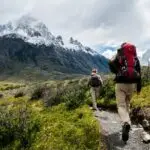
Recreation: These are activities done for enjoyment, amusement, or refreshment when one is not working or engaged in mandatory tasks. They are often chosen freely and can be physical, mental, or social.
Leisure: This refers to the time free from obligations, work, or duties. It is the time when an individual can choose to rest, engage in hobbies, or pursue personal interests.
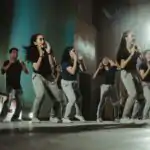
Dance: This is an art form involving rhythmic movement of the body, usually to music, for expression, social interaction, or performance. It can be a recreational activity.
2. Differences Between Dance, Leisure and Recreation
The following are key differences between dance, leisure, and recreation:
- Leisure is a period of time, while recreation is an activity performed during that leisure time.
- Dance is a specific type of recreational activity that involves movement and rhythm, whereas recreation is a broader term encompassing many activities.
- One can have leisure time without engaging in recreation, but recreation almost always occurs during leisure time.
3. Benefits of Recreation and Dance Activities
Engaging in recreation and dance activities provides several benefits. These include:
- Refreshment of body and mind.
- Provides fun and enjoyment.
- Enhances mental alertness and cognitive function.
- Promotes physical fitness and health.
- Reduces stress and anxiety.
- Fosters social interaction and stability.
- Develops creative expression and talent.
Teaching Methods/Instructional Techniques
Discussion, Lecture, Demonstration, Question and Answer, Visual Aids
Instructional Procedures
Step 1: Introduction
Time: 5 minutes
Teaching Skill: Set Induction
Teacher’s Activity: The teacher greets the pupils and asks them what they do in their free time after school or during weekends. The teacher then links their responses to the topic of recreation and leisure.
Pupils’ Activity: Pupils respond by mentioning activities they engage in during their free time.
Learning Point: Pupils are introduced to the concept of free time activities.
Step 2: Meaning of Recreation, Leisure and Dance
Time: 10 minutes
Teaching Skill: Explanation/Definition
Teacher’s Activity: The teacher explains the meaning of recreation, leisure, and dance, using simple examples relevant to the pupils’ experiences. The teacher may show short video clips of different recreational activities and dance styles.
Pupils’ Activity: Pupils listen attentively, ask questions for clarification, and attempt to define the terms in their own words.
Learning Point: Pupils understand the definitions of recreation, leisure, and dance.
Step 3: Differences Between Dance, Leisure and Recreation
Time: 10 minutes
Teaching Skill: Differentiation/Comparison
Teacher’s Activity: The teacher guides pupils to identify the differences between leisure, recreation, and dance, emphasizing that leisure is time, recreation is an activity, and dance is a specific type of recreation. The teacher uses a chart to illustrate these distinctions.
Pupils’ Activity: Pupils participate in the discussion, identify differences, and note them down.
Learning Point: Pupils can distinguish between the three concepts.
Step 4: Benefits of Recreation and Dance Activities
Time: 7 minutes
Teaching Skill: Listing/Elaboration
Teacher’s Activity: The teacher discusses the various benefits of engaging in recreational and dance activities, such as physical fitness, mental alertness, and social interaction. The teacher encourages pupils to share personal experiences of these benefits.
Pupils’ Activity: Pupils listen, contribute to the discussion, and list the benefits.
Learning Point: Pupils understand the positive impacts of recreation and dance.
Step 5: Practical Engagement/Activity
Time: 5 minutes
Teaching Skill: Demonstration/Participation
Teacher’s Activity: The teacher leads the pupils in a very short, simple recreational activity (e.g., a quick game of “Simon Says” or a simple rhythmic movement) to illustrate the fun and engagement aspect of recreation and dance.
Pupils’ Activity: Pupils actively participate in the short activity.
Learning Point: Pupils experience a practical example of recreation/dance.
Step 6: Class Discussion and Clarification
Time: 3 minutes
Teaching Skill: Questioning/Feedback
Teacher’s Activity: The teacher opens the floor for any lingering questions or areas requiring further clarification from the pupils regarding the lesson content.
Pupils’ Activity: Pupils ask questions and seek further understanding.
Learning Point: Any misconceptions are addressed, and understanding is solidified.
Step 7: Evaluation/Review
Time: 5 minutes
Teaching Skill: Questioning/Assessment
Teacher’s Activity: The teacher evaluates the learning by asking the following questions:
- Define recreation in your own words.
- What is leisure?
- State two differences between leisure and recreation.
- Mention three benefits of engaging in recreational activities.
Pupils’ Activity: Pupils answer orally and in writing.
Learning Point: Pupils demonstrate understanding of the lesson.
Step 8: Conclusion
Time: 2 minutes
Teaching Skill: Summarization/Assignment
Teacher’s Activity: The teacher summarizes the main points of the lesson, reiterating the importance of recreation and dance for overall well-being. The teacher gives pupils homework to list three recreational activities they enjoy.
Pupils’ Activity: Pupils listen to the summary and note down the homework.
Learning Point: The lesson is reinforced, and pupils have an assignment for further reflection.
Home Task: Describe or illustrate one lesson example of RECREATION, LEISURE AND DANCE ACTIVITIES and include one safety or performance rule. Do not practise a risky activity without adult supervision.
Lesson Keywords
- Recreation – Activities done for enjoyment and relaxation.
- Leisure – Time free from work or obligations.
- Dance – Rhythmic body movement, often to music.
- Benefits – Advantages or positive outcomes.
- Activities – Things done or engaged in.
Differentiation
For pupils who grasp concepts quickly, the teacher can challenge them to research and present on different types of cultural dances. For pupils needing more support, the teacher can provide simpler examples of recreational activities and use visual aids more extensively to explain definitions.
Note for teachers using this lesson plan
Encourage active participation by pupils. Use real-life examples to make the concepts relatable. Ensure the activities are inclusive and safe for all pupils.
Community Join the conversation Open discussion +