

Class: Junior Secondary School 1 (JSS 1 / JS1)
Term: Third Term
Week: 1
Age: 12 years
Duration: 45 minutes
Subject: Basic Science and Technology
Curriculum Theme: Physical and Health Education
Previous Lesson: .
Topic: RECREATION, LEISURE AND DANCE ACTIVITIES
Subject Matter: Meaning of recreation, leisure and dance, Differences between dance, leisure and recreation: Benefits of recreation and dance
Specific Objectives
By the end of the lesson, pupils should be able to:
Cognitive Domain:
- Define recreation, leisure, and dance.
- State the differences between recreation, leisure, and dance.
- List at least three benefits of recreation and dance.
- Identify various forms of recreational and dance activities.
Affective Domain:
- Appreciate the importance of engaging in recreational and dance activities for well-being.
- Show interest in participating in healthy leisure pursuits.
- Value the role of dance in cultural expression and physical fitness.
- Develop a positive attitude towards physical activities.
Psychomotor Domain:
- Participate in a simple recreational game or exercise.
- Demonstrate basic dance movements.
- Engage in an activity that promotes relaxation during leisure time.
- Show coordination in simple movement activities.
Social Domain:
- Work cooperatively with peers during group recreational activities.
- Encourage classmates to participate actively in physical and dance activities.
- Share ideas about personal leisure activities.
- Demonstrate good sportsmanship during games.
Reference Materials
The following resources were used in planning this lesson:
- 9 Years Basic Education Curriculum (JSS 1)
- State Unified Scheme of Work
- Basic Science and Technology for Junior Secondary Schools Book 1
- https://www.teachervision.com/health-and-physical-education/recreation-leisure-and-dance-activities
- https://www.education.gov.ng/basic-science-technology-curriculum/
Instructional Materials
The teacher will teach this lesson with the aid of:
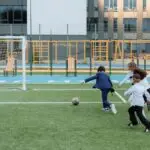
- Pictures showing people engaged in various recreational activities (e.g., football, swimming, board games).
- A music player with some dance music.
- Charts illustrating different types of dance.
- Open space for practical demonstration.
Rationale for the Lesson
This lesson helps pupils understand the importance of recreation, leisure, and dance for their physical, mental, and social well-being. It enables them to identify healthy ways to relax and stay active, which are important skills for a balanced lifestyle.
Prerequisite/Previous Knowledge
Pupils have a basic understanding of play, relaxation, and physical activities from their daily experiences and previous lessons on healthy living.
Lesson Content/Board Summary
RECREATION, LEISURE AND DANCE ACTIVITIES
Meaning of Recreation
Recreation refers to activities done for enjoyment, amusement, or pleasure, usually during free time. These activities help to refresh the mind and body after work or study. Examples include playing sports, reading, hiking, and gardening.
Meaning of Leisure
Leisure is the time when one is not working or occupied with duties. It is free time that can be used for rest, relaxation, or engaging in enjoyable activities. Leisure time allows individuals to choose what they want to do without obligation.
Meaning of Dance
Dance is an art form that involves movement of the body, often rhythmically and to music. It can be a form of expression, social interaction, or performance. Dance helps in physical fitness, coordination, and cultural expression.
Differences between Recreation, Leisure, and Dance
- Recreation: Specific activities chosen for enjoyment and relaxation. It is what you do with your leisure time.
- Leisure: The actual free time available when not engaged in work or duties. It is the time itself.
- Dance: A specific type of recreational activity that involves rhythmic body movement, often to music, serving as an art form, exercise, or social activity.
Benefits of Recreation and Dance
The following are benefits of recreation and dance:
- Physical Health: Improves cardiovascular health, strengthens muscles, increases flexibility, and helps maintain a healthy weight.
- Mental Health: Reduces stress, improves mood, enhances cognitive function, and provides a break from daily pressures.
- Social Skills: Encourages interaction, teamwork, communication, and the development of friendships.
- Emotional Well-being: Boosts self-esteem, provides a sense of accomplishment, and allows for creative expression.
- Skill Development: Improves coordination, balance, rhythm, and problem-solving abilities.
Teaching Methods/Instructional Techniques
Discussion, Lecture, Demonstration, Question and Answer, Visual Aids
Instructional Procedures
Step 1: Introduction
Time: 5 minutes
Teaching Skill: Set Induction
Teacher’s Activity: The teacher greets the pupils, reviews the previous lesson briefly, and then introduces the new topic by asking pupils what they do for fun or relaxation after school.
Pupils’ Activity: Pupils respond to the teacher’s greeting and share their recreational activities.
Learning Point: Pupils are introduced to the lesson and connect it to their personal experiences.
Step 2: Meaning of Recreation
Time: 5 minutes
Teaching Skill: Explanation/Definition
Teacher’s Activity: The teacher explains the meaning of recreation, providing examples like playing football, reading, or drawing. The teacher writes the definition on the board.
Pupils’ Activity: Pupils listen attentively, ask questions for clarification, and copy the definition into their notes.
Learning Point: Pupils understand the definition and examples of recreation.
Step 3: Meaning of Leisure
Time: 5 minutes
Teaching Skill: Explanation/Definition
Teacher’s Activity: The teacher explains the meaning of leisure as free time and how it differs from work or school time. The definition is written on the board.
Pupils’ Activity: Pupils listen, contribute ideas about how they spend their free time, and write down the definition.
Learning Point: Pupils grasp the concept of leisure time.
Step 4: Meaning of Dance
Time: 5 minutes
Teaching Skill: Explanation/Demonstration
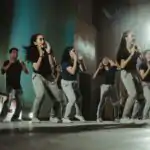
Teacher’s Activity: The teacher explains what dance is, showing some pictures of different dance forms and playing a short piece of music to illustrate rhythmic movement. The teacher writes the definition on the board.
Pupils’ Activity: Pupils observe the pictures, listen to the music, and copy the definition of dance.
Learning Point: Pupils understand dance as an activity involving rhythmic movement.
Step 5: Differences between Recreation, Leisure, and Dance
Time: 10 minutes
Teaching Skill: Comparison/Analysis
Teacher’s Activity: The teacher guides pupils to identify the key differences between recreation (activity), leisure (time), and dance (a specific type of recreational activity) using a comparative approach on the board.
Pupils’ Activity: Pupils participate in the discussion, offer their understanding of the differences, and note them down.
Learning Point: Pupils can differentiate between recreation, leisure, and dance.
Step 6: Benefits of Recreation and Dance
Time: 5 minutes
Teaching Skill: Enumeration/Discussion
Teacher’s Activity: The teacher discusses the various benefits of engaging in recreation and dance, highlighting physical, mental, social, and emotional advantages. The teacher writes these benefits on the board.
Pupils’ Activity: Pupils listen, contribute additional benefits they know, and copy the points into their notebooks.
Learning Point: Pupils understand the positive impacts of these activities on their well-being.
Step 7: Evaluation/Review
Time: 5 minutes
Teaching Skill: Questioning/Assessment
Teacher’s Activity: The teacher evaluates the learning by asking the following questions:
- Define recreation in your own words.
- What is leisure?
- How is dance different from other recreational activities?
- Mention three benefits of participating in recreational activities or dance.
Pupils’ Activity: Pupils answer orally and in writing.
Learning Point: Pupils demonstrate understanding of the lesson.
Step 8: Conclusion
Time: 5 minutes
Teaching Skill: Summarization/Assignment
Teacher’s Activity: The teacher summarizes the main points of the lesson, emphasizing the importance of balancing study with healthy recreational and leisure activities. The teacher then assigns homework, asking pupils to list five recreational activities they enjoy.
Pupils’ Activity: Pupils listen to the summary and copy down the homework.
Learning Point: Pupils consolidate their learning and are given an activity to reinforce it.
Home Task: Give three correct examples of RECREATION, LEISURE AND DANCE ACTIVITIES and explain what each example shows.
Lesson Keywords
- Recreation – Activities done for enjoyment and relaxation during free time.
- Leisure – Free time when one is not working or engaged in duties.
- Dance – Rhythmic body movement, often to music, for expression, performance, or exercise.
- Physical Activity – Any bodily movement produced by skeletal muscles that requires energy expenditure.
- Relaxation – The state of being free from tension and anxiety.
Differentiation
The teacher will provide visual aids for visual learners. Group activities will allow kinesthetic and social learners to engage. Pupils who grasp concepts quickly can be encouraged to help peers who need more support, ensuring all learners are accommodated.
Note for teachers using this lesson plan
Teachers should ensure active pupil participation in discussions and demonstrations. Encourage pupils to share their personal experiences with recreation, leisure, and dance to make the lesson relatable. Emphasize the health benefits and the importance of choosing safe and positive activities. An open space or classroom arrangement that allows for simple movement demonstrations is beneficial.
Community Join the conversation Open discussion +