

Note for teachers using this lesson plan
This lesson focuses on identifying the characteristics of a healthy person and understanding essential personal hygiene practices. Prepare visual aids like charts or pictures depicting healthy individuals and hygiene items. Encourage active participation, group discussions, and practical demonstrations to help students grasp the concepts and apply them to their daily lives. By the end of the lesson, students should be able to describe a healthy person and demonstrate proper hygiene routines.
Class: JSS 1
Term: First Term
Week: 3
Age: 12 years
Duration: 45 minutes
Subject: Physical and Health Education
Curriculum Theme: Health and wellness
Focal competence: Practicing personal hygiene, healthy eating, rest and regular exercise to maintain physical, mental, and emotional well-being
Key competencies/values: Collaboration; Critical Thinking; Research; Problem solving; Responsibility
Skills:
- Applying personal health
Previous Lesson: Personal Health and Its Determinants
Topic: Personal Health: Characteristics Of A Healthy Person
Subject Matter: Characteristics of a healthy person, Personal hygiene
Specific Objectives
By the end of the lesson, pupils/students should be able to:
Cognitive Domain
- Describe the characteristics of a healthy person.
- Describe how to maintain body, oral and menstrual hygiene.
- Discuss the characteristics of a healthy person.
Psychomotor Domain
- Maintain personal hygiene practices.
Reference Materials
The following resources were used in planning this lesson:
- 2025 Revised 9 Years Basic Education Curriculum
- Relevant State Unified Scheme of Work
- Physical and Health Education for Junior Secondary Schools, JSS 1
- The HeadTeacher Scheme of work
Instructional Materials
The teacher will teach this lesson with the aid of:
- Internet access (for research)
- Charts showing characteristics of a healthy person
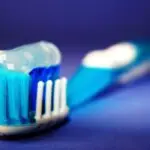
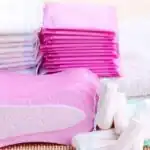
- Pictures of various hygiene items (soap, toothbrush, toothpaste, chewing sticks, sanitary pads)
- Water and a basin
- Soap
- Chewing sticks
- Toothbrush and paste
Rationale for the Lesson
This lesson is important because it helps students understand what it means to be healthy, both physically and mentally. By learning about personal hygiene, students can adopt practices that prevent illness and promote overall well-being. This knowledge empowers them to take responsibility for their health and make informed choices.
Prerequisite/Previous Knowledge
Students should have basic knowledge of what health means and some simple personal care routines they practice daily.
Lesson Content/Board Summary
Personal Health: Characteristics Of A Healthy Person
Characteristics of a Healthy Person
A healthy person shows several signs that indicate their physical, mental, and emotional well-being. These characteristics include:
- Good Physical Appearance: They look clean, neat, and well-groomed. Their skin is clear, eyes are bright, and hair is well-kept.
- Active and Energetic: A healthy person has enough energy to perform daily activities, play, and learn without getting tired easily.
- Alert and Focused: They are mentally sharp, able to concentrate, and respond appropriately to their environment.
- Good Appetite: They enjoy eating healthy meals and have a regular digestive system.
- Sound Sleep: They get enough restful sleep, waking up feeling refreshed and ready for the day.
- Positive Outlook: They generally feel happy, optimistic, and cope well with stress and challenges.
- Strong Immune System: They do not fall sick often and recover quickly when they do.
- Good Posture: They stand and sit upright, indicating strong muscles and bones.
Personal Hygiene
Personal hygiene refers to the practices that help maintain health and prevent the spread of diseases. It involves keeping the body clean and healthy.
Maintaining Personal Hygiene Practices
Regular personal hygiene is essential for overall health. Key practices include:
- Body Hygiene:
- Bathing daily with soap and clean water to remove dirt, sweat, and germs.
- Washing hands frequently, especially before eating, after using the toilet, and after playing.
- Keeping fingernails and toenails short and clean to prevent germ accumulation.
- Wearing clean clothes daily.
- Oral Hygiene:
- Brushing teeth at least twice a day (morning and night) with fluoride toothpaste and a clean toothbrush.
- Using chewing sticks or dental floss to clean between teeth where a toothbrush cannot reach.
- Rinsing the mouth with water after meals.
- Visiting the dentist regularly for check-ups.
- Menstrual Hygiene (for girls):
- Using clean sanitary pads or tampons during menstruation.
- Changing sanitary pads/tampons regularly (every 4-6 hours) to prevent odour and infection.
- Washing the genital area with clean water during changes.
- Disposing of used sanitary products properly in a waste bin.
Teaching Methods/Instructional Techniques
Discussion, Demonstration, Group Work, Question and Answer, Explanation, Practical Activity, Internet Research
Instructional Procedures
Step 1: Introduction
Time: 5 minutes
Teaching Skill: Questioning/Activating Prior Knowledge
Teacher’s Activity: The teacher greets the students and asks them questions about what they think it means to be healthy and what they do to stay clean.
Pupils’ Activity: Students respond to the questions, sharing their ideas on health and cleanliness.
Learning Point: Prior health knowledge
Step 2: Characteristics of a Healthy Person
Time: 8 minutes
Teaching Skill: Explanation/Group Discussion
Teacher’s Activity: The teacher introduces the topic and guides students to discuss the characteristics of a healthy person using charts and pictures. The teacher divides students into groups to use the internet (if available) to search for more characteristics.
Pupils’ Activity: Students discuss in groups, use the internet to research, and share their findings on characteristics of a healthy person.
Learning Point: Healthy person traits
Step 3: Introduction to Personal Hygiene
Time: 5 minutes
Teaching Skill: Explanation/Discussion
Teacher’s Activity: The teacher explains the meaning of personal hygiene and its importance in preventing diseases and maintaining overall health.
Pupils’ Activity: Students listen attentively and ask questions for clarification.
Learning Point: Importance of hygiene
Step 4: Body Hygiene Practices
Time: 6 minutes
Teaching Skill: Demonstration/Guided Practice
Teacher’s Activity: The teacher demonstrates proper handwashing techniques and discusses other body hygiene practices like daily bathing and keeping nails clean. The teacher guides students to participate in a group project on body care.
Pupils’ Activity: Students observe the demonstration, practice handwashing, and participate in the group project on body care.
Learning Point: Body hygiene practices
Step 5: Oral Hygiene Practices
Time: 6 minutes
Teaching Skill: Demonstration/Practical Activity
Teacher’s Activity: The teacher demonstrates how to brush teeth correctly using a toothbrush and toothpaste or a chewing stick. The teacher explains the importance of regular brushing.
Pupils’ Activity: Students observe the demonstration and practice the brushing motion with their fingers or provided tools.
Learning Point: Oral hygiene practices
Step 6: Menstrual Hygiene Practices
Time: 5 minutes
Teaching Skill: Explanation/Discussion
Teacher’s Activity: The teacher (or a female teacher, if applicable) discusses menstrual hygiene practices with the girls, explaining the use and proper disposal of sanitary pads and the importance of cleanliness during menstruation. Boys are encouraged to listen respectfully.
Pupils’ Activity: Girls listen and ask questions, while boys listen respectfully.
Learning Point: Menstrual hygiene care
Step 7: Evaluation/Review
Time: 5 minutes
Teaching Skill: Questioning/Assessment
Teacher’s Activity: The teacher evaluates the learning by asking the following questions:
- List three characteristics of a healthy person.
- Describe how to maintain oral hygiene.
- Mention two ways to care for your body.
- Why is menstrual hygiene important for girls?
Pupils’ Activity: Pupils answer orally and in writing.
Learning Point: Characteristics and hygiene
Step 8: Note-Taking
Time: 4 minutes
Teaching Skill: Guided Writing
Teacher’s Activity: The teacher guides pupils/students to copy the essential Board Summary notes on characteristics of a healthy person and personal hygiene into their notebooks.
Pupils’ Activity: Pupils/students copy the notes carefully into their notebooks.
Learning Point: Board notes copying
Step 9: Conclusion
Time: 1 minute
Teaching Skill: Reinforcement
Teacher’s Activity: The teacher summarises the key points of the lesson, emphasizing the importance of staying healthy and practicing good hygiene daily. The teacher encourages students to apply what they have learned.
Pupils’ Activity: Students listen and acknowledge the importance of the lesson.
Learning Point: Lesson summary
Continuous Assessment/Further Study
Type: Homework
Instruction: Answer the following questions in your notebook.
- Observe a healthy person you know (e.g., a family member or friend) and write down five characteristics you notice about them.
- Draw and label three items you use for personal hygiene.
- Write a short paragraph explaining why it is important to wash your hands before eating.
- For girls: List three things you need to do to maintain good menstrual hygiene.
Lesson Keywords
- Healthy – Free from illness or injury.
- Characteristics – Features or qualities belonging typically to a person, place, or thing and serving to identify it.
- Hygiene – Practices conducive to maintaining health and preventing disease, especially through cleanliness.
- Oral hygiene – Practices involved in keeping the mouth and teeth clean.
- Menstrual hygiene – Practices related to cleanliness and care during menstruation.
Differentiation
For slower learners, provide simplified charts and more direct questions. Pair them with faster learners for group activities. For faster learners, encourage them to research additional hygiene practices or diseases prevented by good hygiene and present their findings to the class.
Suggested Lesson Videos
For further understanding, search on YouTube for: characteristics of a healthy person jss1 and personal hygiene for jss1
Teacher Guide for Using This Lesson Plan
Before the lesson, ensure you have all instructional materials ready, including charts, pictures, and actual hygiene items for demonstration. If internet access is available, confirm it is working for the group research activity. Begin by engaging students with questions about their existing knowledge of health. Guide the discussion on characteristics of a healthy person, allowing students to contribute their observations. Emphasize the practical aspects of personal hygiene through demonstrations and encourage students to practice. For menstrual hygiene, approach the topic sensitively and ensure an appropriate environment for discussion, especially for girls. During the note-taking stage (Step 8), ensure students copy the Board Summary accurately. Pay attention to weaker learners by providing extra guidance and support during activities and note-taking, while encouraging faster learners to delve deeper into related topics. Correct any misconceptions promptly during the evaluation and conclusion.


Community Join the conversation Open discussion +